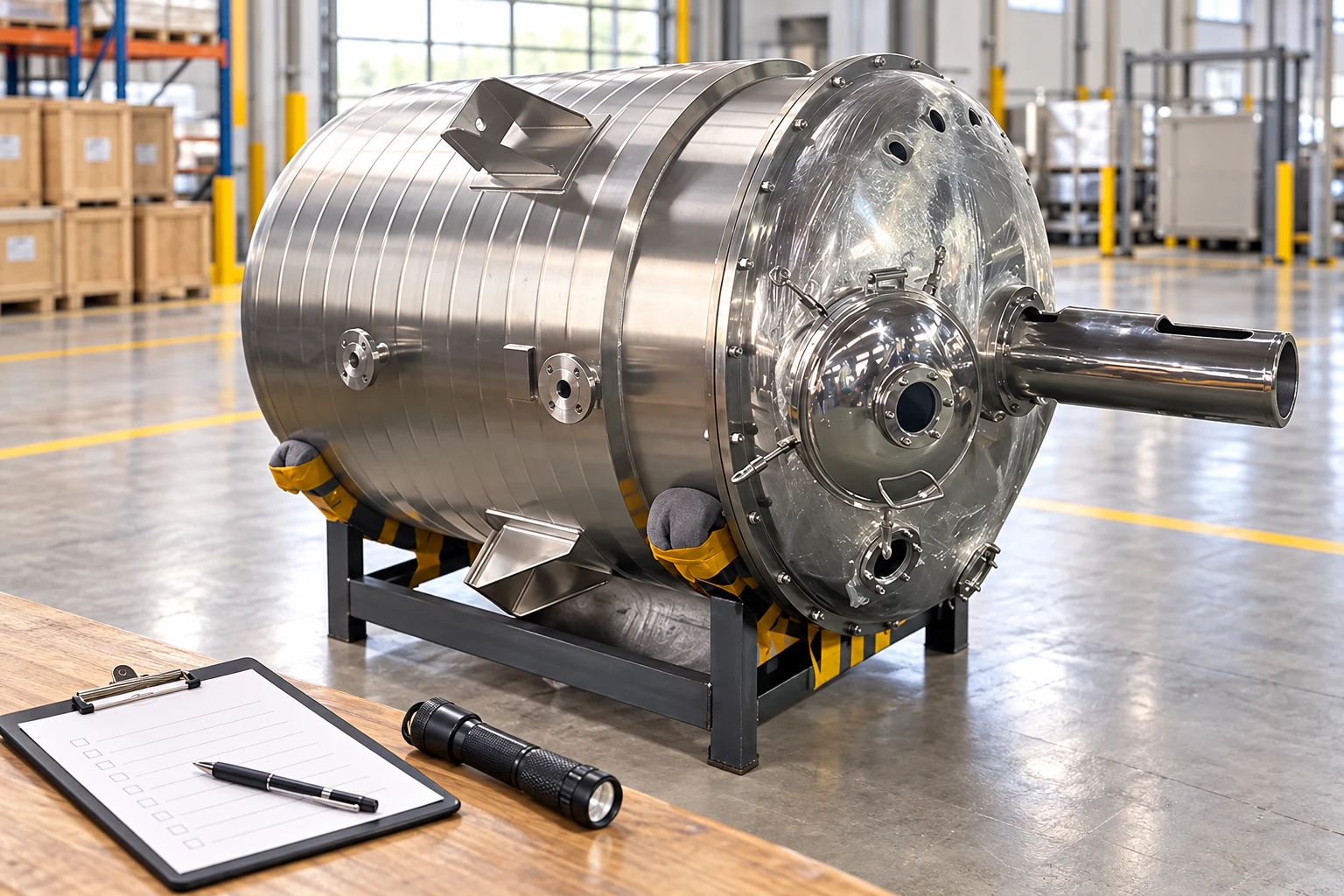
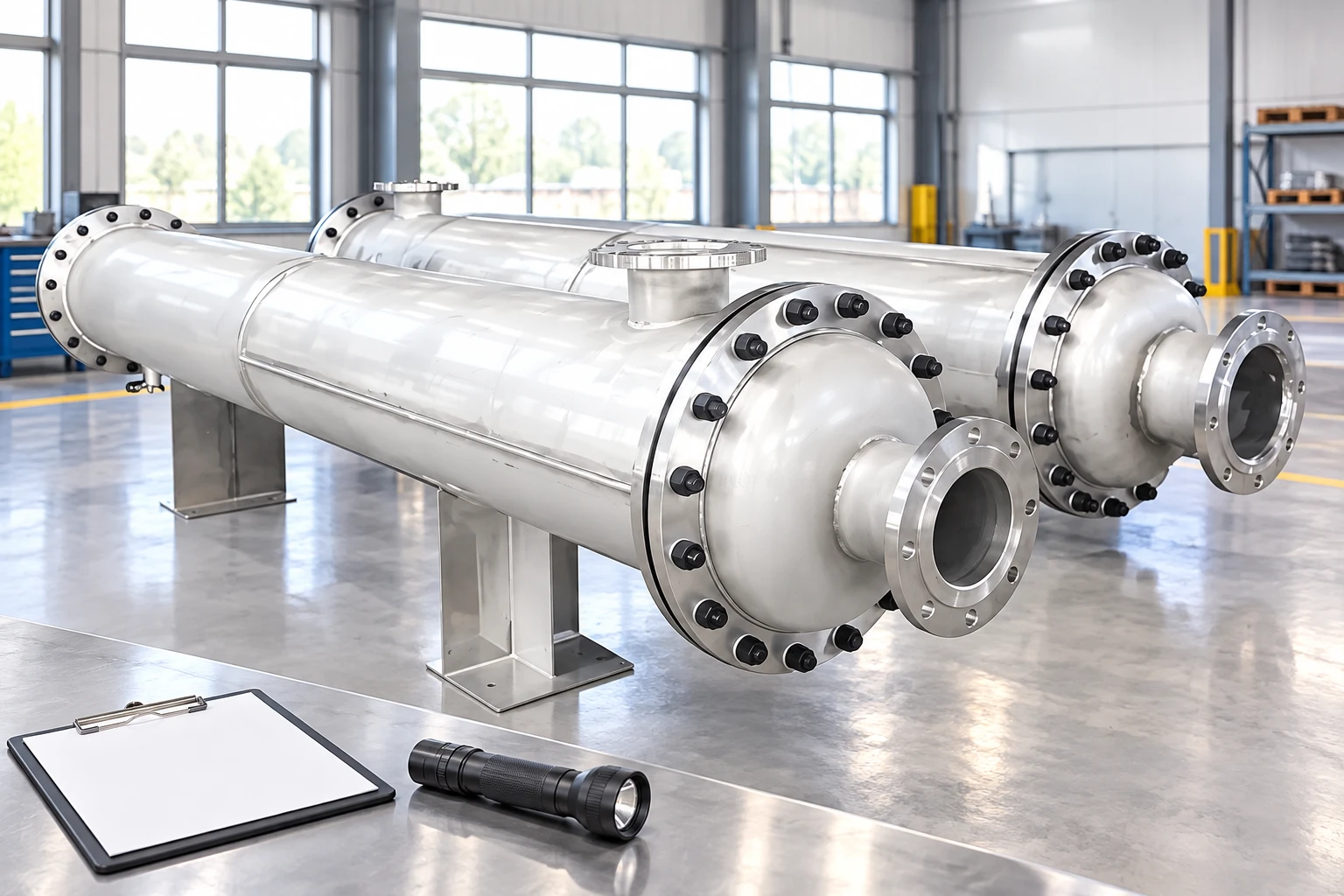
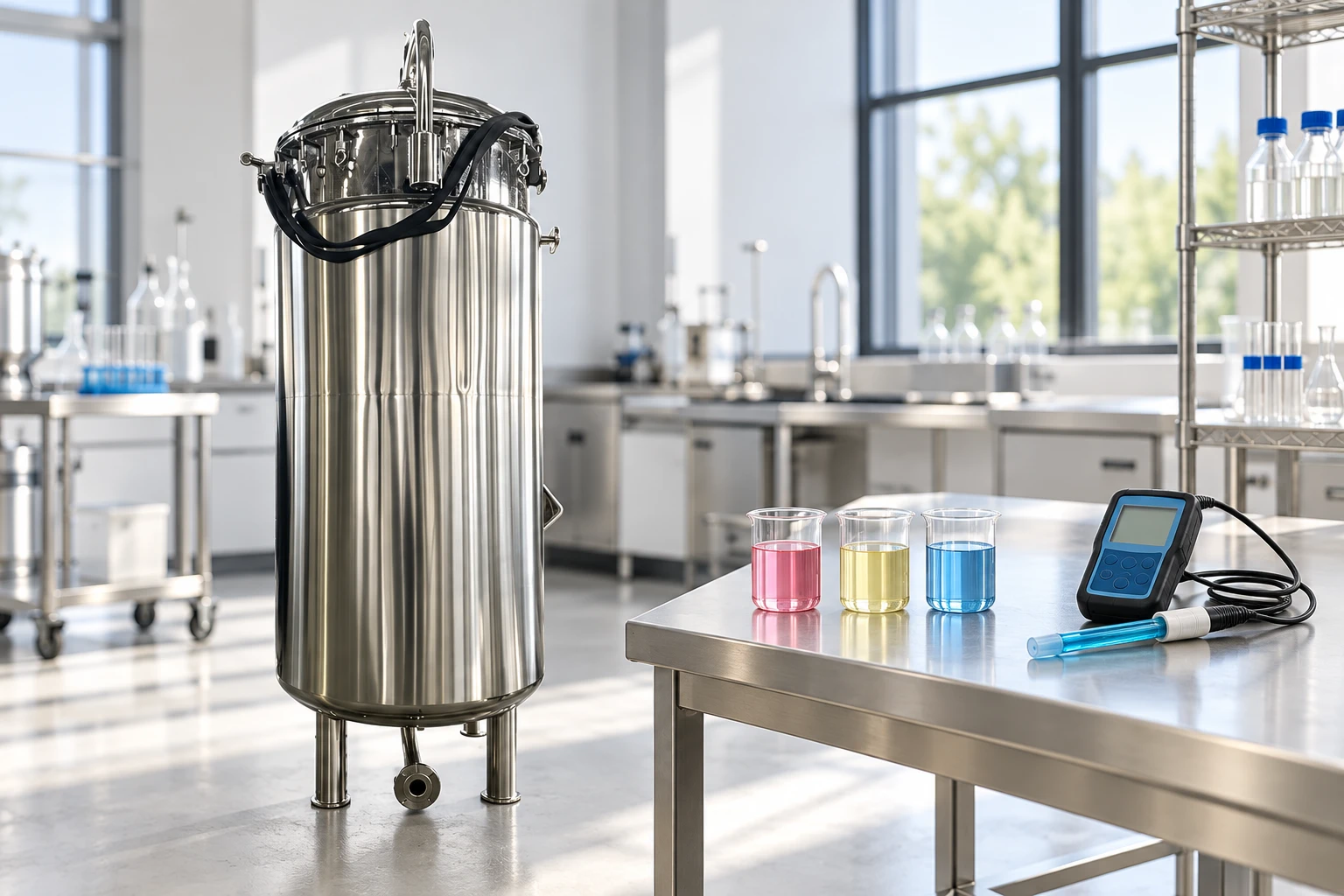
A вакуумный гомогенизатор гомогенизирует масляную и водную фазы в стабильные капли, в то время как надъясальное пространство сосуда поддерживается при давлении ниже атмосферного. Эта комбинация снижает вовлеченный воздух, улучшает отделке поверхности на кремах и соусах, и подставках воспроизводимое качество эмульсии для гелей, которые вспениваются или окисляются в открытых резервуарах.
Это руководство охватывает выбор оборудования для кремов, соусов и гелей: этапы сдвига, вакуумную выдержку, материалы и позиции запроса коммерческого предложения (RFQ). Примеры продукции ссылаются на опубликованные артикулы YIYI INTELLIGENT; давление гомогенизатора, скорость на конце мешалки и сертификация должны быть подтверждены в коммерческом предложении.
Часть 1. Что такое вакуумный гомогенизирующий смеситель?
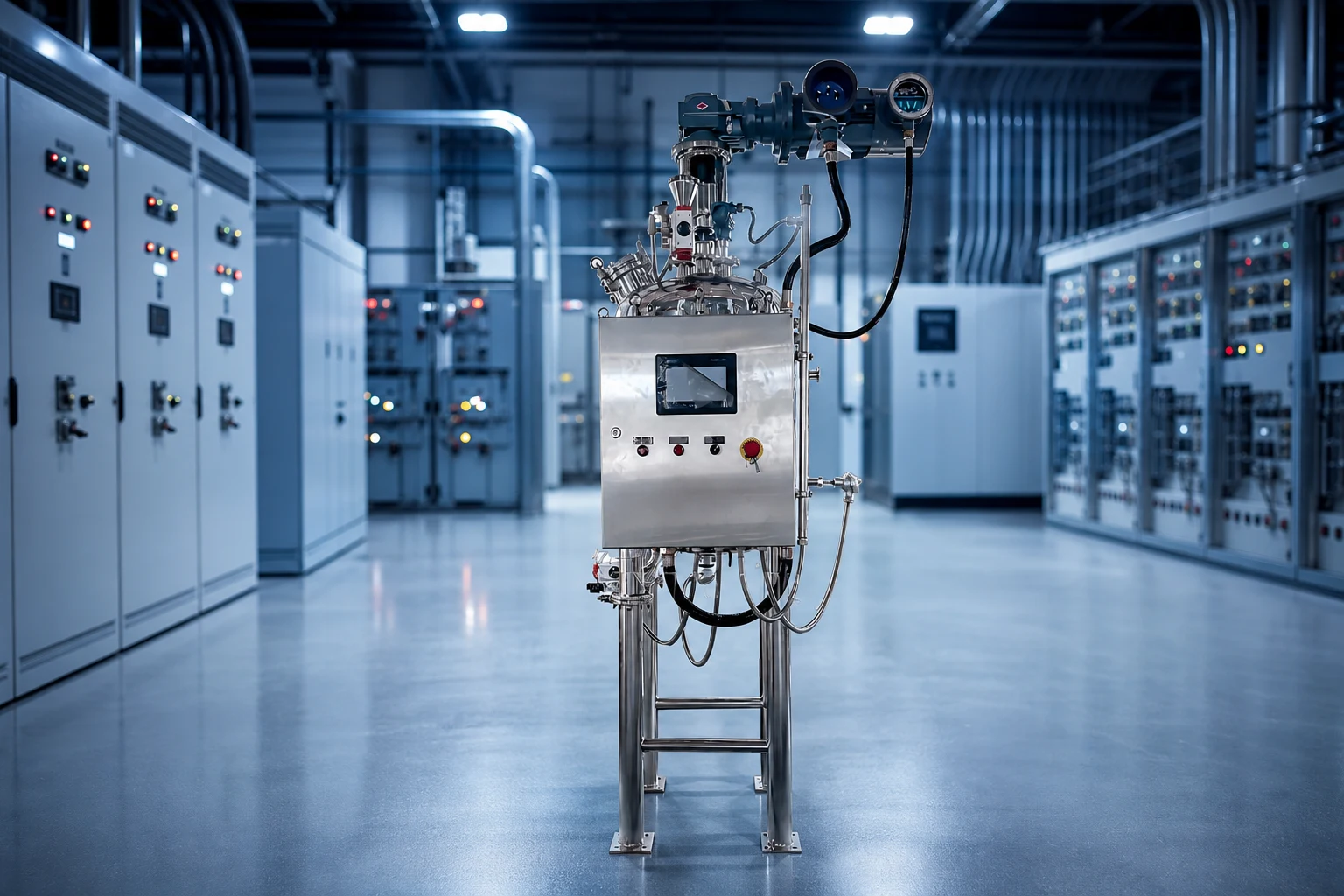
Система обычно включает в себя сосуд с рубашкой или обогреваемый сосуд, низкоскоростное якорное или гребковое перемешивание, высокосдвиговый гомогенизатор или ротор-статор, и вакуумный насос которая создает разрежение на этапах эмульгирования и деаэрации. Кремам и гелям часто требуется двухскоростное смешиваниемедленная мешалка для теплопередачи и быстрый гомогенизатор для уменьшения размера капель.
Вакуумные гомогенизирующие смесители отличаются от обычных вакуумные смесительные емкости, которые могут быть направлены на дегазацию без тонкой гомогенизации, — см. руководство по вакуумному смесительному резервуару для этого сравнения. Они также отличаются от емкости с магнитной мешалкой используется для лабораторных работ с низким сдвиговым усилием.
| Компонент | Функция | Вопрос покупателя |
|---|---|---|
| Судно | Содержит фазы в процессе эмульгирования | Рабочий объем и свободное пространство? |
| Высокосдвиговая головка | Образует мелкие капли | Погружной гомогенизатор против проточного (инлайн) гомогенизатора |
| Низкоскоростная мешалка | Вязкие стенки совков | Якорь или лента? |
| Вакуумная упаковка | Деаэрирует во время эмульгирования | Целевое давление и выдержка? |
| Контроль температуры | Растапливает жиры, контролирует вязкость | Жидкость рубашки и уставки? |
Начать с категория емкостей для смешивания, а затем выберите оборудование, способное производить эмульсификацию, с указанными в открытом доступе характеристиками вакуума.
Часть 2. Зачем эмульгировать кремы, соусы и гели под вакуумом?
Вовлечение воздуха проявляется в виде зернистая текстура, послезакладочное обрушение, или оттек упаковки в чувствительных эмульсиях. Вакуум во время гомогенизации снижает парциальное давление газа в надсадном пространстве, благодаря чему при сдвиге и охлаждении выживает меньше пузырьков.
| Риск качества | Симптом атмосферной эмульгации | Преимущества вакуумной эмульгации |
|---|---|---|
| Воздух в креме | Взбитый внешний вид, дрейф плотности | Более тонкая и плотная текстура после выдержки |
| Пена из соуса | Несоответствие линий заполнения | Севшая пена перед горячим розливом |
| Окисление геля | Изменение цвета в течение срока годности | Сниженное содержание кислорода во время микширования |
| Эмульсионные соусы типа «вода в масле» | Фазовая нестабильность | Более воспроизводимое распределение капель |
Совет: Запустить пилотные партии с тем же кривая охлаждения как производство. Преимущества вакуума исчезают, если при горячем розливе снова попадает воздух — задокументируйте температуру розлива и этапы вентиляции свободного пространства (Санитарные нормы 3-A для владельцев заведений общепита.
Справочная информация по конструкциям из нержавеющей стали появляется в резервуар для смешивания из нержавеющей стали.
Часть 3. Как типы продуктов влияют на требования к сдвигу и вакууму?
Кремы, соусы и гели находятся на разных участках кривой вязкости и объемной доли фазы. В запросах котировок (RFQ) следует указывать сплошная и дисперсная фазы, а не только название маркетингового продукта.
| Вид продукта | Примечания к этапу | Типичный акцент на сдвиг и вакуум |
|---|---|---|
| Косметические кремы | Высокая масляная фаза, чувствительные к сдвигу активные компоненты | Удержание умеренного вакуума; контролируемые проходы гомогенизатора |
| Пищевые соусы (эмульсии) | Вода с непрерывной фазой и капельками масла | Повышенная нагрузка гомогенизатора; горячая эмульгация |
| Фруктовые гели и пектиновые основы | При охлаждении вязкость возрастает | Вакуумирование перед охлаждением; перемешивание анкерной мешалкой |
| Густой соус | Присутствуют механические примеси | Избегайте избыточных проходов гомогенизатора для твердых веществ |
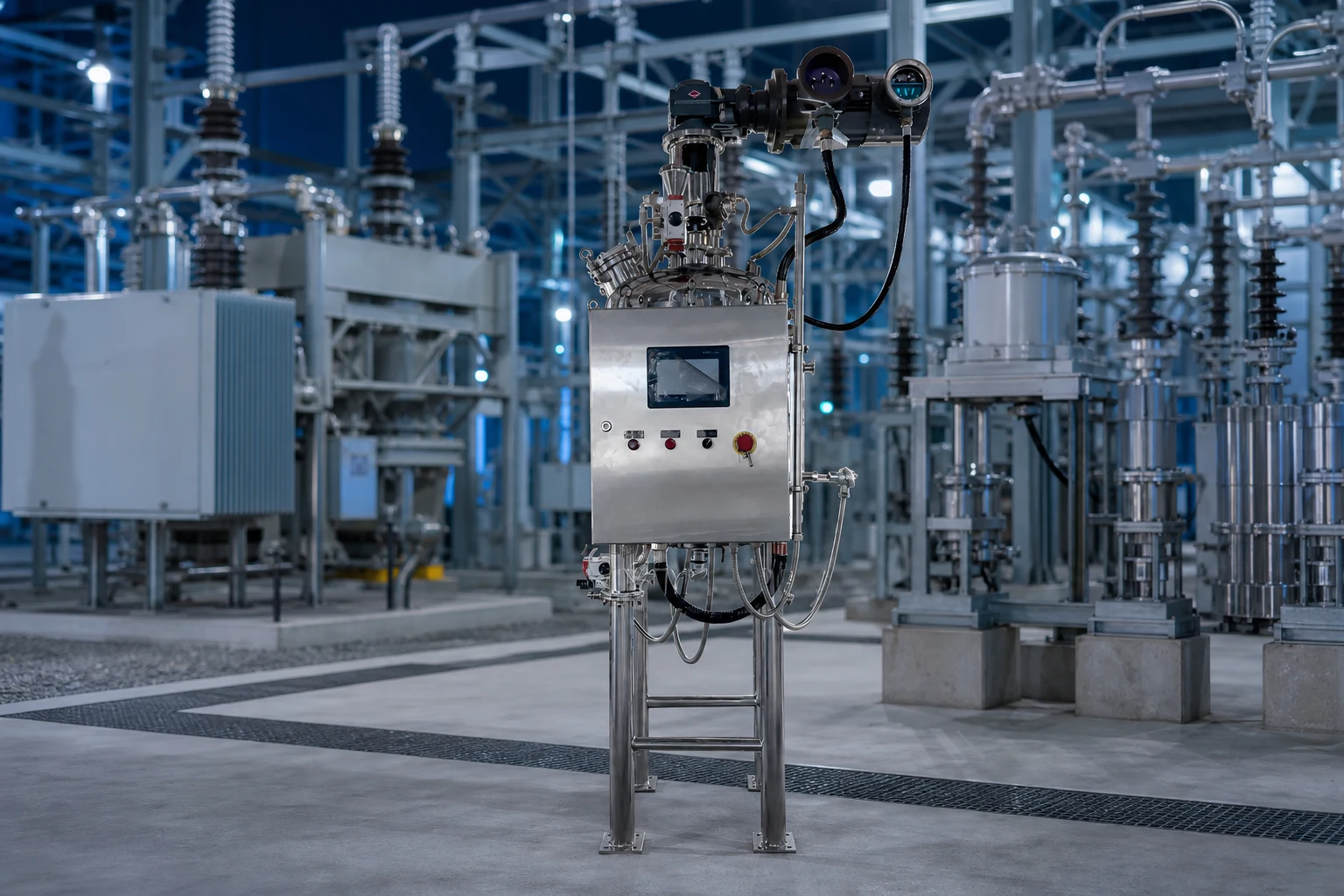
Нагретые эмульсии все еще могут требовать указания рубашки обогрева — перепроверьте исходные данные для закупки смесительного резервуара с масляной рубашкой когда стабильная температура рубашки входит в тот же запрос предложений.
Часть 4. Какие характеристики сосуда и стадии работы мешалки имеют значение?
Покупатели должны перечислить расположение гомогенизатора (сверху, снизу или сбоку), несколько ли этапов сдвига требуются, и как работают вакуумные блокировки с включением гомогенизатора.
| Функция | Детали запроса предложений | Риск в случае неопределенности |
|---|---|---|
| Тип гомогенизатора | Роторно-статорный коллоидный мельничный класс | Неверный размер капли |
| Количество передач | Одноконтурные или рециркуляционные контуры | Чрезмерное срезание активных ингредиентов |
| Скорость привязки | Диапазон оборотов для зачистки стен | Пригар на нагретых сливках |
| Последовательность вакуумирования | Вытягивание до или во время гомогенизации | Стойкая пена |
| Выписка | Выдавливание против гравитации | Сдвиг после эмульгирования |
Важно: Классификация взрывоопасных зон и нормы проектирования оборудования, работающего под давлением, такие как Раздел VIII Котла и сосудов под давлением ASME применяйте только тогда, когда проект включает в себя эти границы — указывайте их в запросе предложений (RFQ), а не предполагайте соответствие по умолчанию (см. примечания к объему работ по судну в руководство по емкости с магнитной мешалкой для связанных тем о печатях).
Часть 5. Какие материалы и конструкция CIP соответствуют санитарным партиям?
Пищевым и косметическим эмульсиям необходимо очищаемые поверхности, санитарно-технические изделия, и эластомеры которые выдерживают безмонтажную мойку и вакуумные циклы.
| Обслуживание | Материальная отправная точка | Проектные замечания и план непрерывного улучшения |
|---|---|---|
| Пищевые эмульсионные соусы | пищевая нержавеющая сталь 316L | Моющие головки CIP, наклонное дно, дренируемый контур гомогенизатора |
| Косметика | 316L | Уплотнения, совместимые с отдушками; полированные поверхности, контактирующие с продуктом |
| Химические гели | Сплав согласно таблице совместимости | Удаление паров растворителя в вакууме |
| Общие многопродуктовые линии | 316L + объем валидации | Протокол валидации очистки в запросе коммерческого предложения (RFQ) |
Запросите чистоту внутренней поверхности, расположение точек слива и наличие гомогенизирующих головок съемный без применения инструментов для проверки.
Часть 6. Что должно входить в запрос коммерческого предложения (RFQ) на вакуумный гомогенизатор-эмульгатор?
Закупочные пакеты должны связывать рецептурные данные с механическим объемом работ.
| Раздел запроса коммерческих предложений | Примеры входных данных |
|---|---|
| Формулировка | Масло %, вода %, твердые вещества, температуры плавления |
| Процесс | Температура эмульсификации, режим охлаждения |
| Вакуум | Целевое давление, время выдержки, последовательность сброса давления |
| Срез | Класс модели гомогенизатора, ограничения по количеству проходов |
| Размер пакета | Минимальный и максимальный рабочий объем |
| Материалы | 304 против 316L, список эластомеров |
| Коммунальные услуги | Пар, масляная рубашка или электрический обогрев; мощность вакуумного насоса |
| Документация | Целевой размер капли (при наличии лабораторного метода), чек-лист FAT |
Ссылка на опубликованные классы оборудования, такие как вакуумный эмульсирующий гомогенизатор или эмульсификатор при описании желаемой конфигурации, а не в качестве замены для проектного подбора размеров.
Часть 7. Какие ошибки цитирования возникают и какие строчки из «Йи-Йи» подходят?
Цитаты не работают, когда мощность гомогенизатора рассчитан на воду, когда вакуумный насос не учитывает нагрузку паров растворителя, или когда минимальный объем партии находится ниже глубины погружения гомогенизатора.
| Ошибка | Полевой симптом | Профилактика |
|---|---|---|
| Односкоростные ножницы для всех видов продукции | Разделенные фазы или поврежденные активные компоненты | Кривая зависимости вязкости от температуры |
| Шаг без удержания вакуума | Пена после наполнения | Определите давление выдержки и продолжительность |
| Куртка мала | Долгий нагрев; пригоревшая стенка | Укажите температуру плавления жира и массу партии |
| CIP не соответствует геометрии | Остаток в контуре гомогенизатора | Запросить диаграмму CIP вместе с RFQ |
Граница соответствия: Вакуумные гомогенизаторы обеспечивают стабильные показатели эмульсии для кремов, соусов и гелей. Простое однофазное смешивание без требований к качеству эмульсии может не оправдывать сложность оборудования.
YIYI публикует вакуумный эмульсирующий гомогенизатор и эмульсификатор в серия смесительных резервуаров. Подтвердите опубликованную емкость и конфигурацию на странице товарной позиции перед покупкой. Для проектных компоновок, Запросить расчет стоимости с данными Части 6.
ЧаВо
Вакуумный гомогенизирующий смеситель
Это система сосудов, которая гомогенизирует эмульсии, в то время как надзазорное пространство удерживается под вакуумом для ограничения вовлечения воздуха.
Зачем эмульсифицировать под вакуумом?
Вакуум уменьшает количество растворенного и захваченного воздуха, что улучшает текстуру и стабильность многих кремов, соусов и гелей.
Может ли один миксер справиться с кремами и жидкими соусами?
Иногда, если скорость гомогенизатора и количество проходов регулируются, укажите оба продукта в запросе предложений (RFQ), чтобы поставщики подтвердили диапазон сдвиговых усилий.
Что такое высокое и низкое сдвиговое усилие в одном сосуде?
Низкоскоростное якорное перемешивание перемещает вязкие стенки; высокосдвиговый гомогенизатор уменьшает размер капель. Последовательность и время имеют значение.
Каковы должны быть размеры партий для заказа покупателями?
Минимальный и максимальный рабочий объем, включая информацию о том, остается ли гомогенизатор погруженным в жидкость при минимальном уровне заполнения.
Чем это отличается от вакуумного миксера?
Вакуумные смесительные емкости могут быть ориентированы на дегазацию при умеренном сдвиге. Вакуумные эмульгирующие смесители предназначены для получения мелкодисперсных капель эмульсии в условиях вакуума.
Какую документацию должны запрашивать покупатели косметики?
Записи о чистоте поверхности, заключения о совместимости эластомеров, объем валидации безразборной мойки (CIP) и инструкции по техническому обслуживанию гомогенизатора.
Какие страницы продуктов YIYI применимы?
Смотрите вакуумный эмульсирующий гомогенизатор и эмульсификатор для опубликованных примеров.
Ссылки
- Раздел VIII Бойлеры и сосуды под давлением Кодекса ASME — область применения границ давления (применительно)
- Санитарные стандарты 3-A — требования к санитарному оборудованию для владельцев предприятий пищевой и молочной промышленности
- Справочные материалы по Пищевому кодексу FDA — общие требования к гигиене пищевого производства для линий эмульсий