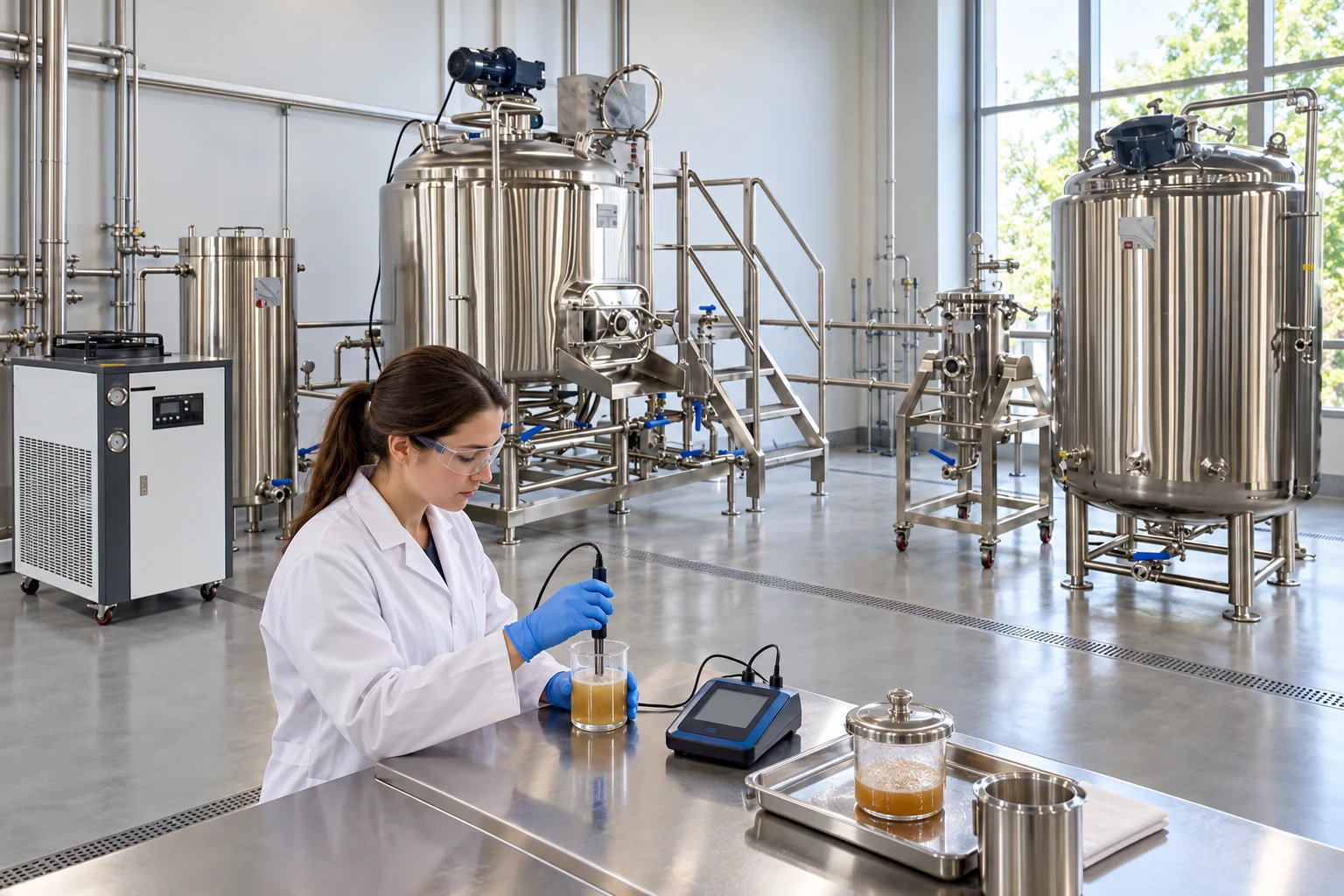
Mash pH and Measurement Temperature: Build a Repeatable Brewery Check
Standardize mash pH sampling, cooling, calibration and reporting temperature before comparing brewery results or authorizing recipe adjustments.


Standardize mash pH sampling, cooling, calibration and reporting temperature before comparing brewery results or authorizing recipe adjustments.
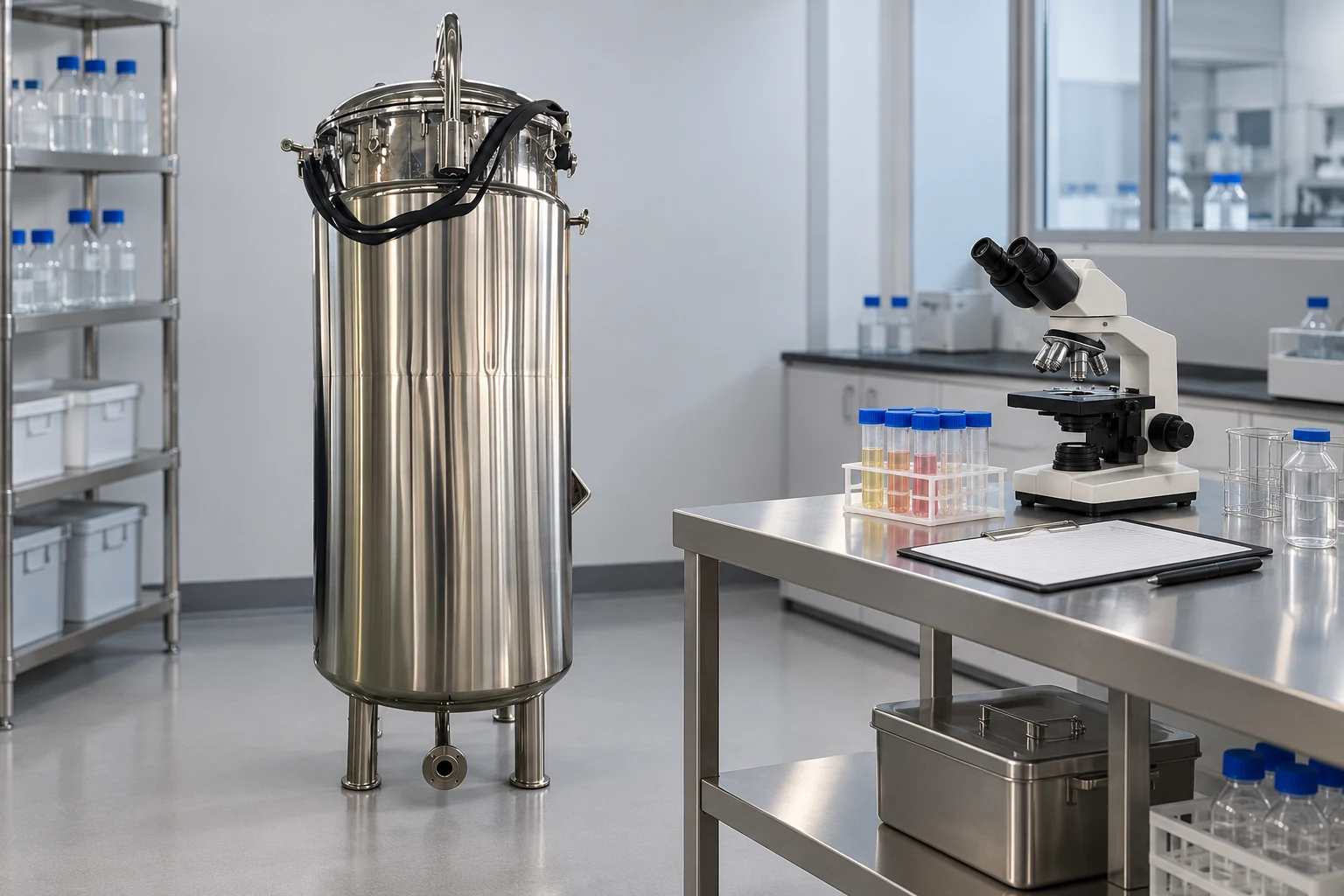
Define fermentation harvest criteria using product evidence, representative samples, process trends and downstream readiness rather than elapsed time alone.
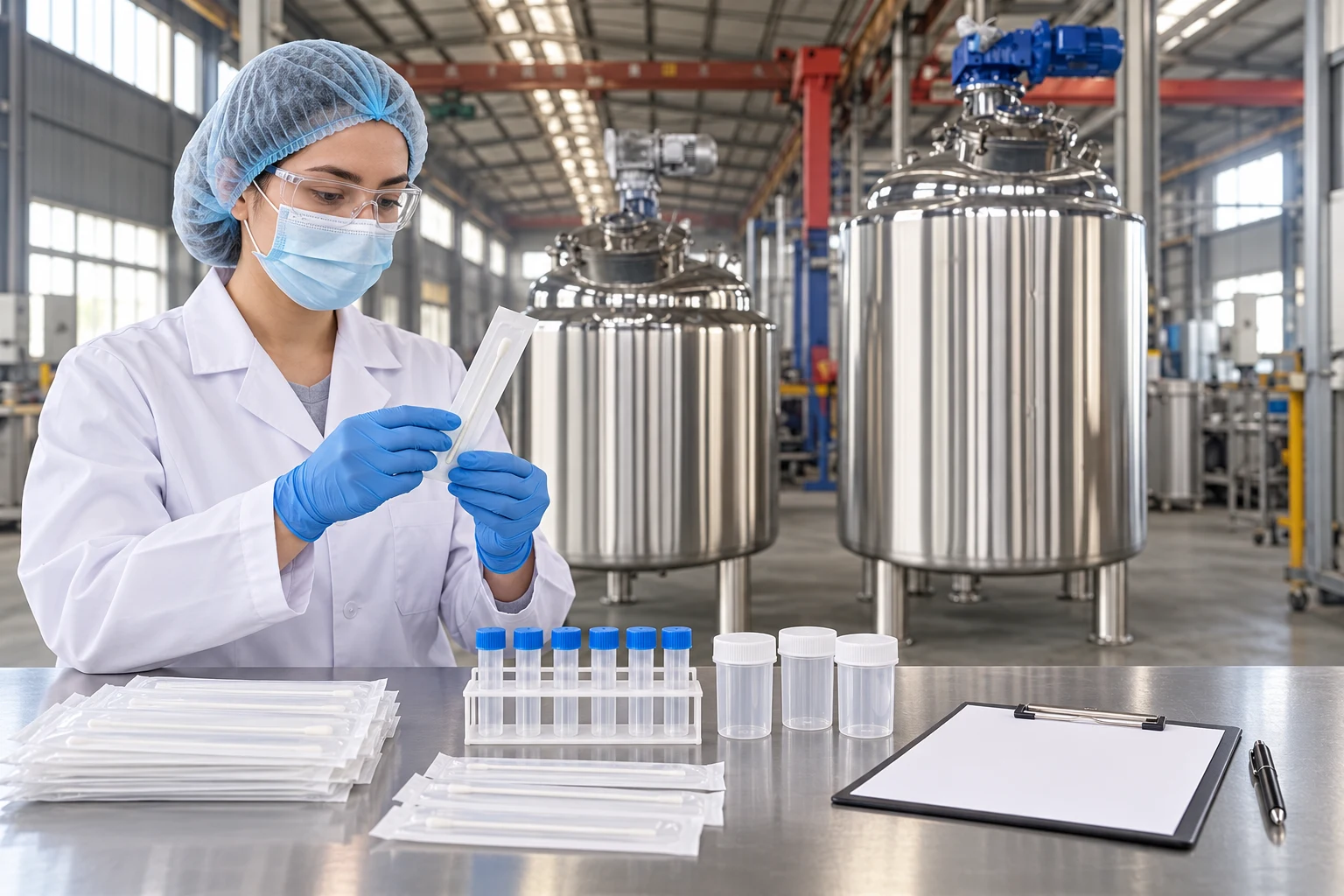
Plan food tank allergen cleaning verification with suitable tests, defined sampling points, documented changeovers and clear limits for ATP indicators.
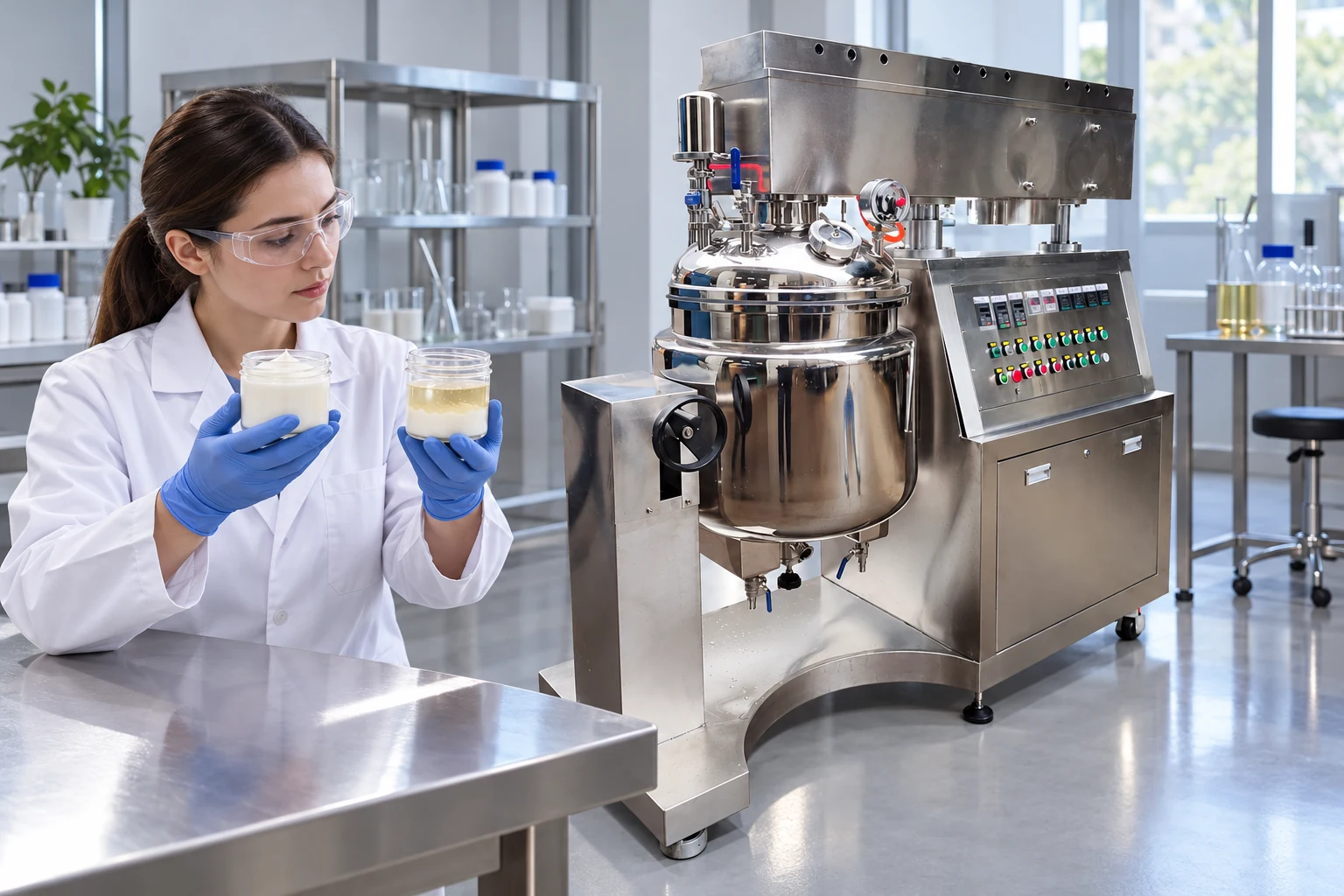
Investigate emulsion phase inversion using formulation records, temperature history and suitable laboratory checks before changing mixer operation.
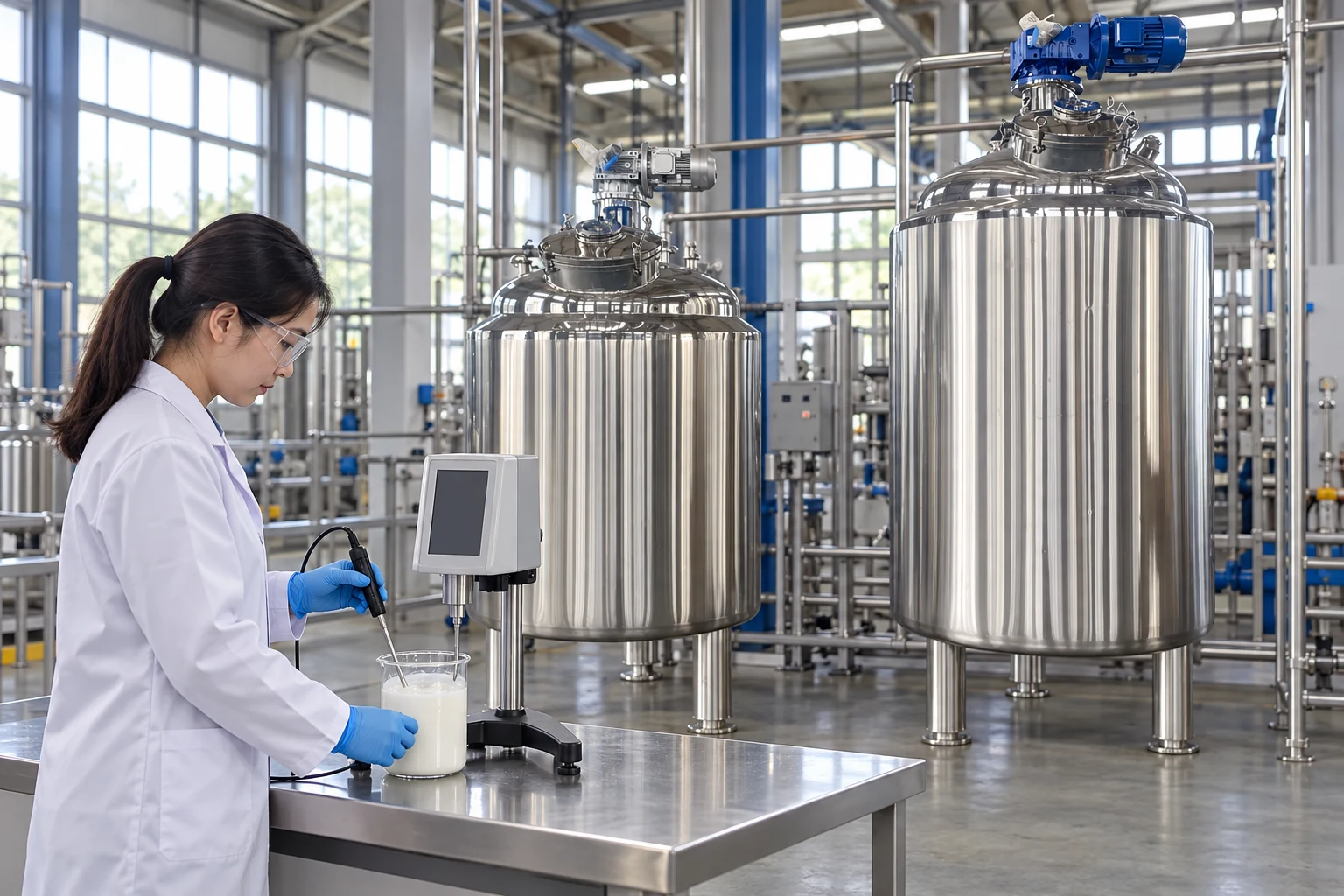
Make mixing tank viscosity results comparable by defining sample location, temperature, shear history, instrument method and the reporting basis.
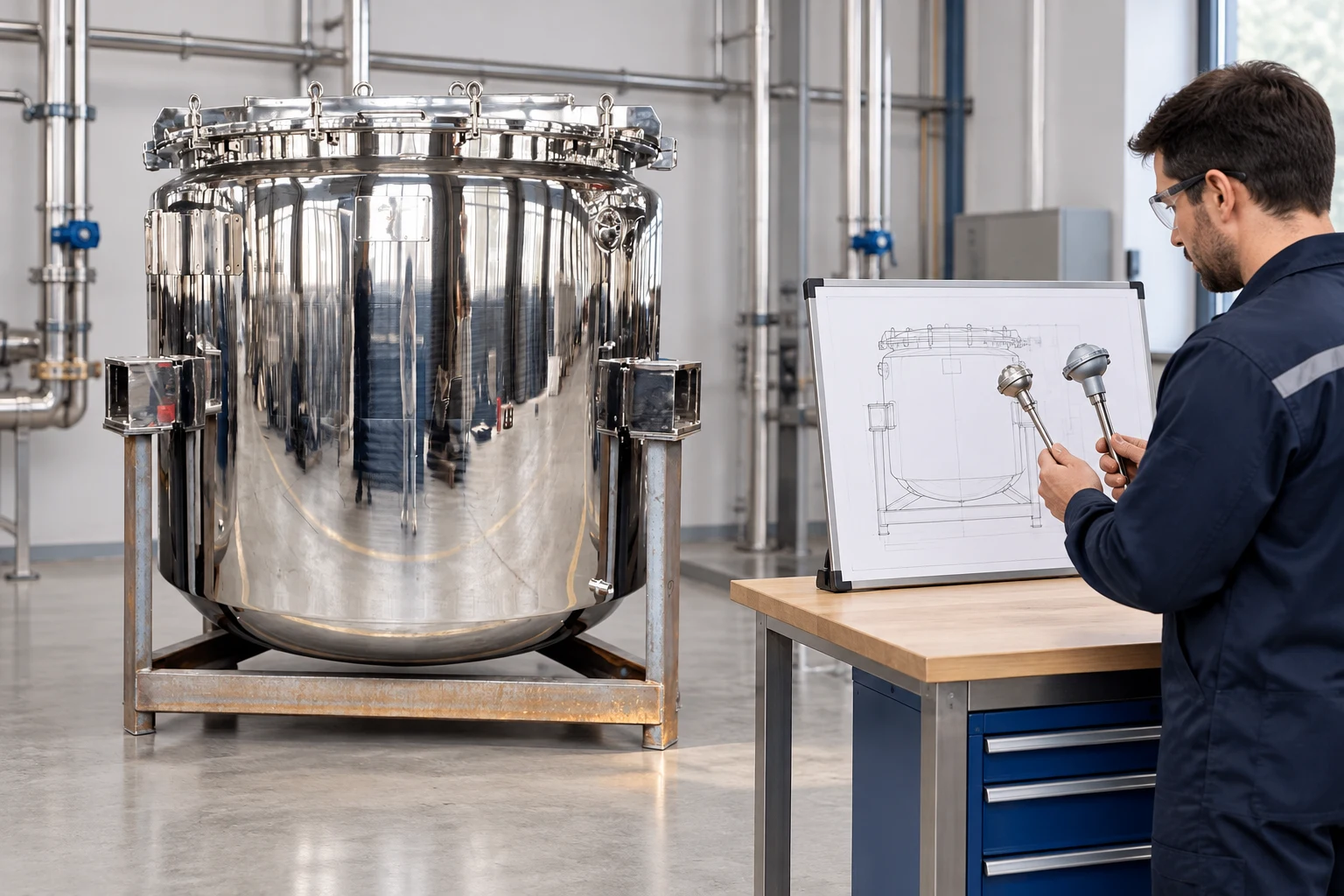
Plan buffer tank temperature sensor locations around the control objective, flow paths, immersion, response delay and commissioning evidence.
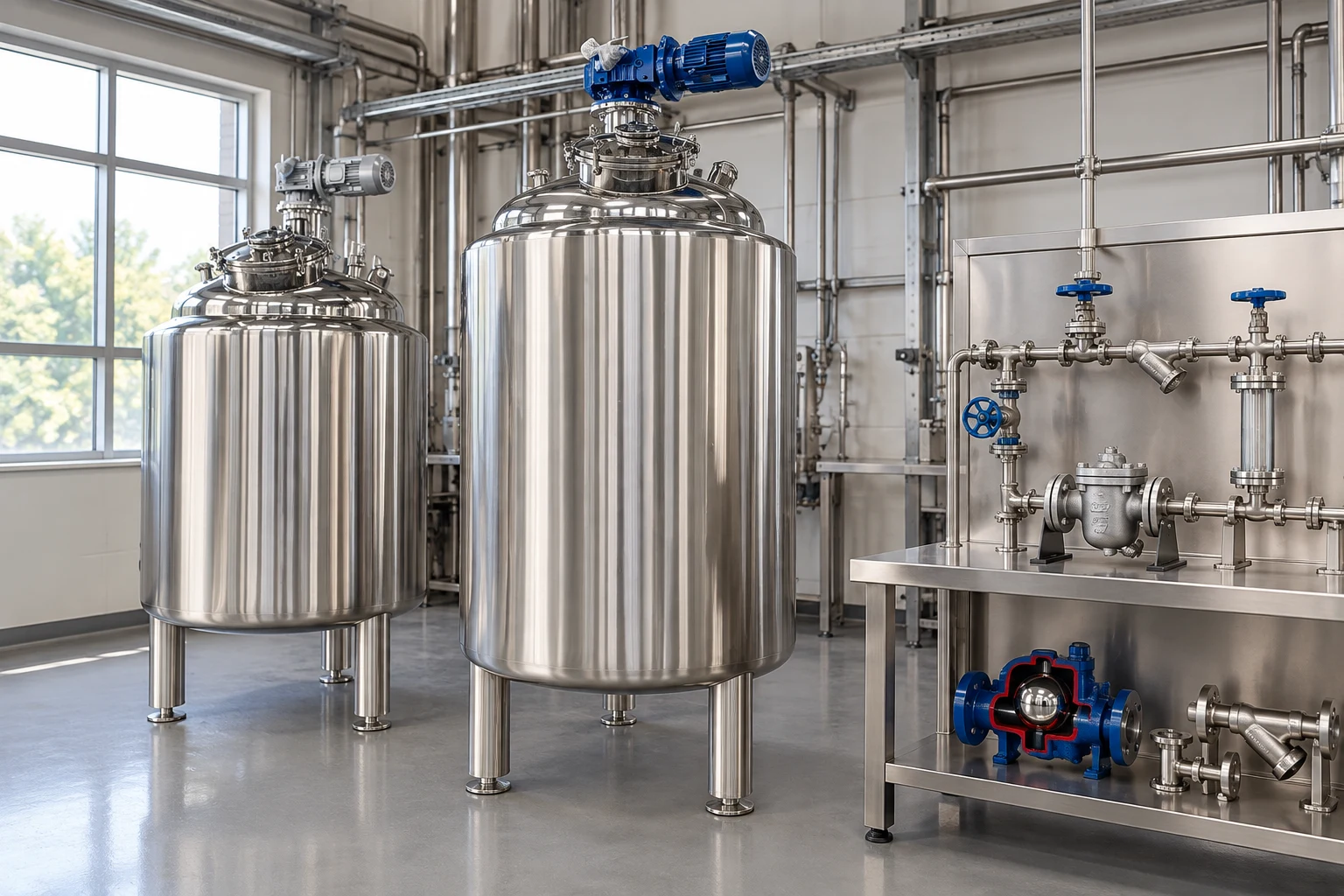
Investigate steam jacket condensate removal, return pressure and part-load stall with a documented system review and clear pressure-safety boundaries.
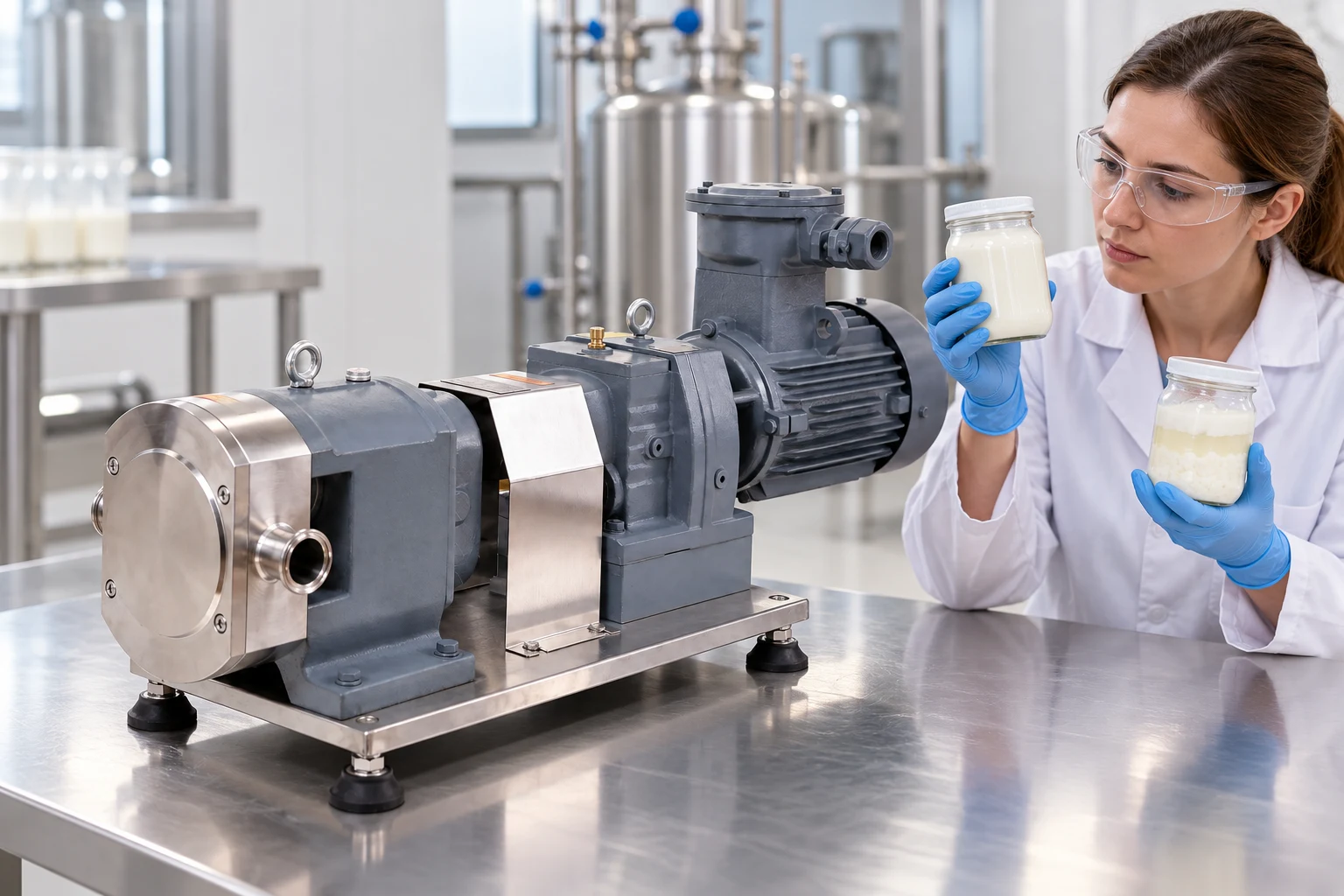
Evaluate a rotary lobe pump for shear-sensitive products using retained controls, representative transfer conditions and a documented product-damage trial.
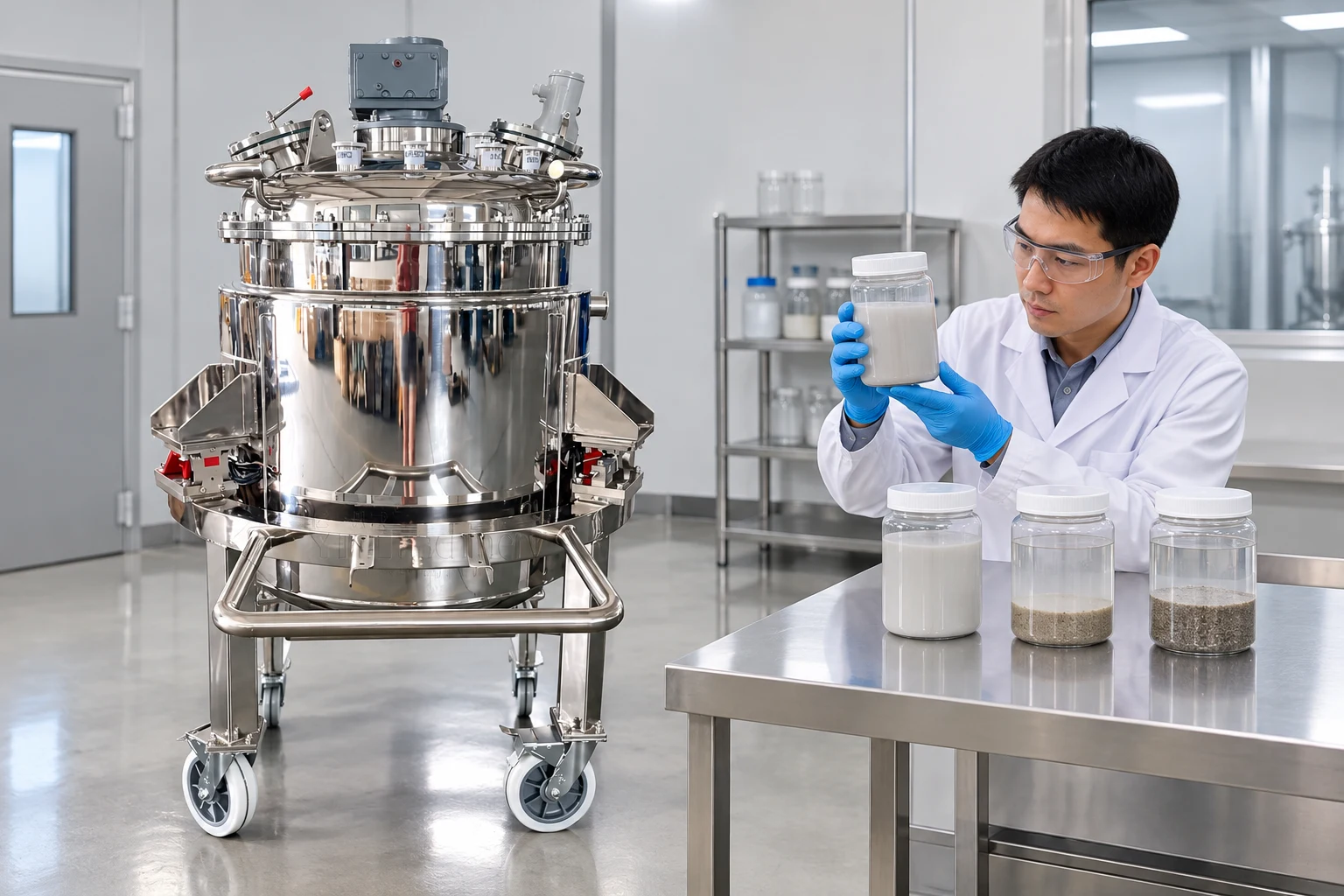
Plan representative slurry samples with clear batch states, collection paths, handling methods and solids-analysis checks for industrial mixing tanks.