A fermenter calibration laboratory accreditation scope review should establish whether the proposed service matches the laboratory’s current accredited activities. Check the legal entity, service location, measured quantity, method, range and stated measurement capability against the actual instrument and intended decision. An accreditation logo or general certificate is only the starting point. This guide helps procurement, maintenance and quality teams prepare a focused service request and review the response. It does not certify a laboratory, define a universal fermenter tolerance, or establish that a particular calibration result is suitable for a process without further review.
Define the service before comparing laboratories
Describe the instrument and what will be sent or tested on site. A temperature probe alone, a probe with its display, a transmitter with configured scaling, and an installed measuring chain are different service requests. State the components, serial numbers and configuration so the laboratory can identify which part of the measurement system its proposed work covers.
Then define the useful range and the decision supported by the result. Do not ask only for a calibration certificate when the real need is evidence for a particular measurement task. A general service description may leave the laboratory free to quote work that is technically valid but does not answer the site’s question.
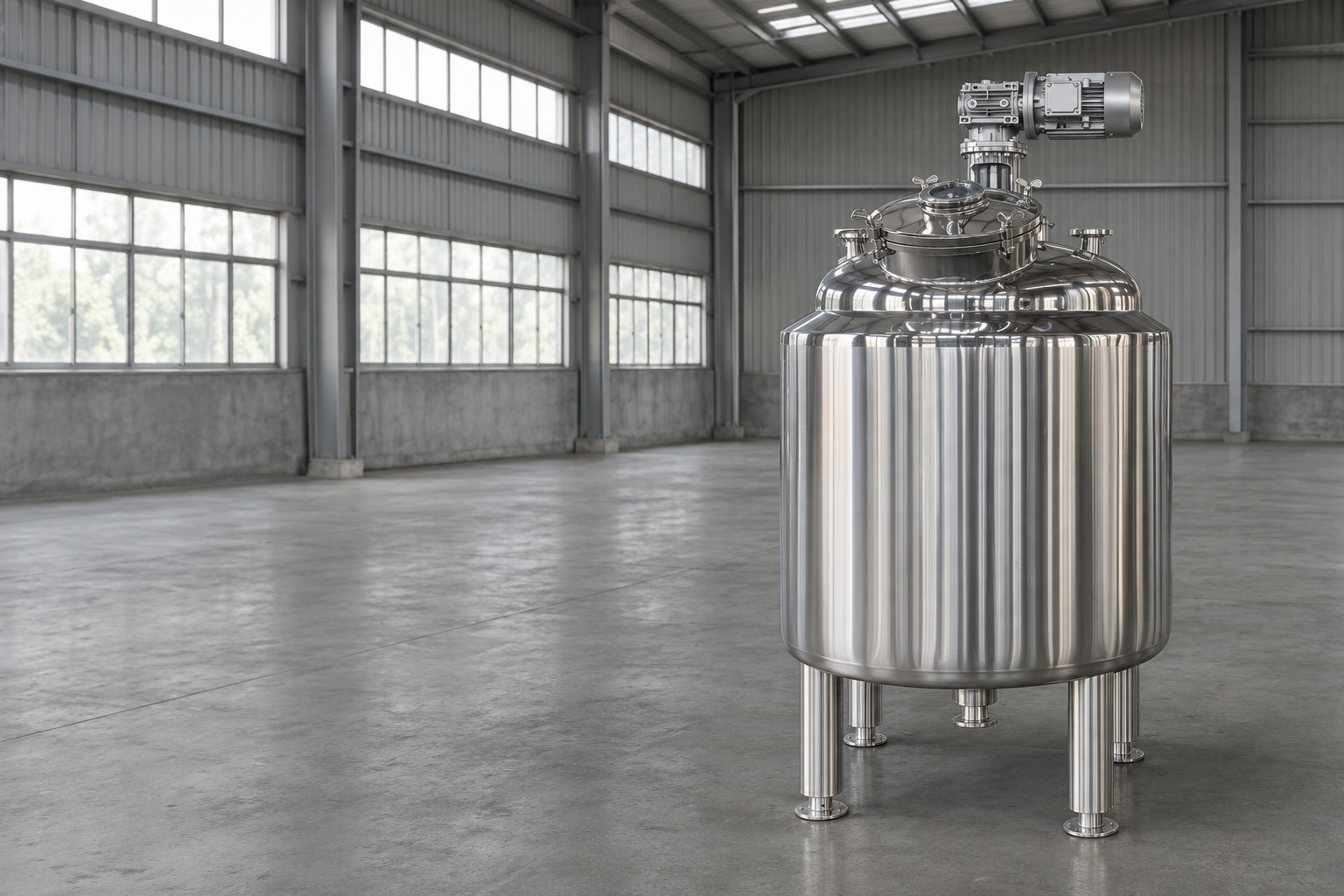
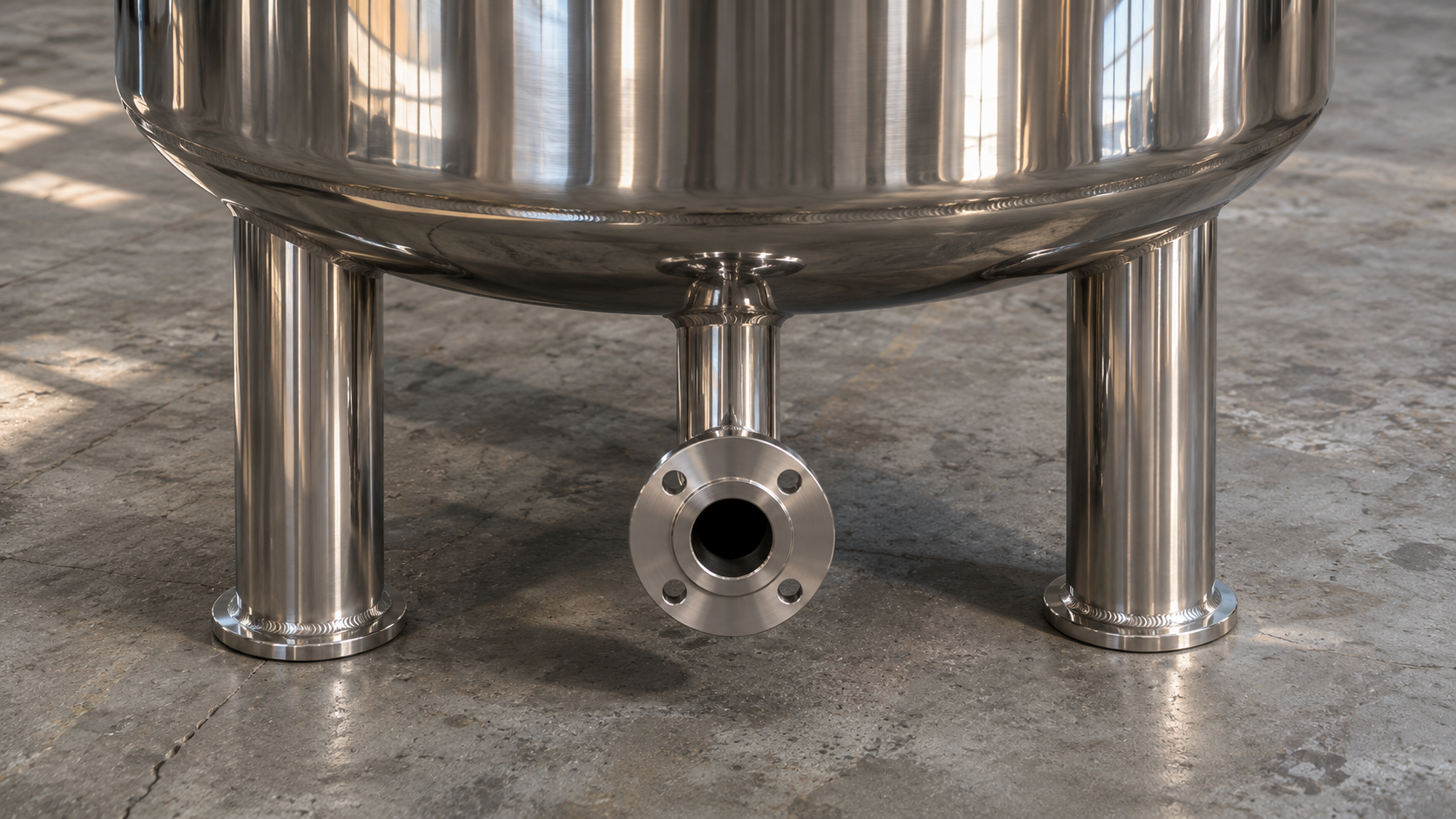
The vertical stainless steel fermentation tank is the equipment context for this checklist. Its product image does not demonstrate an installed sensor configuration or accredited calibration service. Confirm the supplied equipment and instruments from the applicable documents before using them in a service specification.
Distinguish accreditation from product approval
NIST’s explanation of accreditation and certification describes accreditation as recognition of laboratory competence for specific activities. It does not make the laboratory’s customers’ products NIST-certified. Keep this distinction clear in purchasing records, maintenance reports and any customer-facing statements about the fermenter.
A laboratory can offer a wide range of services while holding accreditation for only part of that range. Ask which quoted activities will be reported within its accredited scope and which will not. A useful quotation identifies that boundary explicitly rather than relying on the presence of a logo at the top of the page.
Do not assume that a company quality-management certificate establishes laboratory competence for the requested calibration. Review the actual laboratory accreditation and its associated scope. If a supplier uses the word certified loosely, request the issuing organization, certificate identity and document explaining exactly what was assessed.
Verify the entity, location and current status
Match the quotation’s laboratory name and address with the accreditation record. Where several branches use the same brand, identify the branch that will perform the work. Record the accreditation identifier and the date on which the directory or issuing body’s information was checked. Preserve the relevant scope document in the service file.
Check whether the proposed work is performed at the laboratory, at the fermenter installation or through another provider. Field work can involve a different practical arrangement from a controlled laboratory environment. Ask for written confirmation that the requested location and activity are covered appropriately, rather than assuming that the head-office certificate covers every visit.
If subcontracting is proposed, identify the provider and the reporting arrangement before authorizing the work. Establish who communicates exceptions and how the final report will distinguish the activities performed. An unexplained company name appearing only after the instrument returns creates an avoidable review problem.
Read the scope line that matches the measurement
Locate the actual measured quantity and instrument category. A scope covering one property does not demonstrate capability for another. Likewise, a range covering one part of the requested work cannot be silently extended to a different range. Mark every requested point or range against the supporting scope entry.
The NIST Handbook 150 scope requirements illustrate how NVLAP describes accredited calibration activities through the measured quantity, method or instrument type, range and uncertainty capability. This is a U.S. accreditation-program reference, not a declaration that every laboratory worldwide uses an identical document layout or that the fermenter itself is accredited.
Read footnotes and restrictions. They may explain conditions, methods or limits relevant to the service. If a scope uses terminology that does not clearly match the instrument, ask the laboratory to identify the applicable entry and explain the relationship. Keep its explanation with the quotation instead of making an unsupported interpretation internally.
Compare capability with the application requirement
A scope’s stated capability helps screen the service, but it does not replace the uncertainty stated for the actual calibration result. The instrument, method and conditions can affect the reported uncertainty. Ask the laboratory what it expects to provide for the requested assembly and points, and what assumptions support that expectation.
Do not introduce an arbitrary ratio as a universal acceptance rule. The responsible technical reviewer should determine whether the proposed measurement evidence is suitable for the site’s requirement and how a conformity decision will be made, if one is requested. Agree on the required decision information before the work begins.
For a focused review of a returned temperature reference report, use the complementary reference thermometer certificate uncertainty guide. The present article concerns selecting and defining the laboratory service; the report review concerns the evidence actually delivered.
Build a quotation-to-scope comparison
Use the following proposed purchasing worksheet alongside the laboratory’s current official documents. The rows are practical review prompts, not numerical requirements attributed to NIST or a substitute for reading the complete applicable accreditation conditions. An unresolved row should produce a clear question or action before the service is accepted.
| Purchasing question | Evidence to request | Review outcome |
|---|---|---|
| Who performs the service? | Legal entity, laboratory address and accreditation identifier | Quotation and official record describe the same provider |
| What assembly is calibrated? | Probe, display, transmitter and configuration identifiers | Requested system boundary is explicit |
| Which scope entry applies? | Measured quantity, method or instrument type and range | Each requested activity is mapped or identified as outside scope |
| Where is the work performed? | Laboratory or field location and applicable coverage | Location and service arrangement are understood |
| What measurement evidence is expected? | Proposed points, uncertainty information and report content | Reviewer can assess suitability for the intended decision |
| Are adjustments included? | Authorization procedure and received-condition reporting | Original condition will not be obscured by unexpected adjustment |
| Who handles exceptions? | Contact, subcontracting arrangement and deviation approval | Work changes require a named responsible decision |
A blank response is not an affirmative answer. If the provider sends a broad brochure instead of the requested scope mapping, ask again using the exact service description. This is often faster than debating general claims about calibration quality after the instrument has already been shipped.
Agree report content and adjustment authority
Ask how the report will identify the instrument, components, method, results, units and relevant conditions. Where the review needs received-condition results, request them expressly. Define who can authorize repair, adjustment or a change in requested points. Otherwise the laboratory may deliver a satisfactory final result while the site lacks the original-condition evidence it needed.
Confirm how any accredited and other activities will be distinguished. A mixed service can still be useful when its boundaries are transparent and the site accepts them for the intended purpose. The problem is an unexplained boundary that leads a reviewer to assume broader coverage than the report actually supports.
The educational video below introduces measurement errors and quality. It helps explain why the requested measurement and its evidence need a clear definition. It is not a laboratory endorsement, an accreditation directory, or a demonstration that the pictured fermenter meets a measurement requirement.

OT.1x Observation theory: Estimating the Unknown: OT.1x_2016_V12A_Errors_and_Quality_of_measurements.
Resolve changes before they become report surprises
Suppose a maintenance team requests calibration of a complete temperature assembly, but the laboratory quotation covers only the detachable probe. Do not treat this as a minor wording issue. Either change the service or record a technically reviewed plan for addressing the remaining components. The procurement record should show the decision and its owner.
A second common mismatch concerns location. A laboratory may propose collecting the instrument for workshop calibration when the site expected verification of the installed chain. Clarify whether removal changes the measurement boundary and how installation-related questions will be addressed after return. Workshop calibration and installed-system checks need explicit responsibilities.
A third mismatch is a proposed substitution of an instrument or accessory. Retain the original request and the revised configuration, including any new identifiers. Do not reuse the earlier scope review automatically if the requested quantity, assembly or service arrangement changes. Reopen the affected rows and record the resolution.
If a certificate supplies signed corrections, use the separate reference thermometer correction review after the service is complete. Scope selection, reported uncertainty and the application of corrections are connected decisions with different evidence needs.
Prepare a concise service inquiry
Send the laboratory a single organized request containing instrument identifiers, configuration, useful range, intended decision, location, requested report content and adjustment restrictions. Attach clear equipment photographs only where they help identify connections or access. Remove unnecessary confidential production information; the initial service question usually needs measurement requirements rather than complete batch histories.
For maintenance access questions, the existing fermenter sensor calibration access guide provides a separate planning checklist. Access arrangements do not establish laboratory scope, and an appropriate scope does not establish that the instrument can be safely removed or tested at the installation.
Before closing the order, have the responsible reviewer approve the quotation-to-scope comparison and outstanding conditions. Save the reviewed documents with the order, then compare the returned report with that agreement. For an equipment inquiry, provide the fermenter reference and actual instrument boundary so the supplier can answer a specific question instead of guessing the required service.
FAQ
Does an accreditation logo prove that every quoted service is accredited?
No. Read the current scope and ask the provider to identify which quoted activities fall within it. Verify the relevant entity, location, measured quantity, method and range, and resolve any exceptions before authorizing the service.
Does a laboratory’s scope certify the fermenter or approve its process?
No. A laboratory scope addresses specified laboratory activities. Equipment suitability and process acceptance require their own evidence and responsible decisions. Avoid describing the fermenter as NIST-certified merely because a measurement report refers to an accredited laboratory.
Is the scope’s best uncertainty automatically the uncertainty on my report?
No. The actual instrument, method and conditions affect the delivered calibration result. Request the proposed service details and review the uncertainty actually reported against the application requirement. A scope comparison is one part of that review.