

A heat exchanger relief device service certificate should be matched to the actual device, its installed location and the approved pressure-system records before it is accepted. A recent date and a passing workshop result do not prove that the device is the correct protection for that exchanger. Reconcile identification, service scope, reported conditions and any outstanding restrictions with the responsible pressure-system specialist. This guide supports documentary review; it does not select a relief device, set its pressure or describe testing and adjustment.
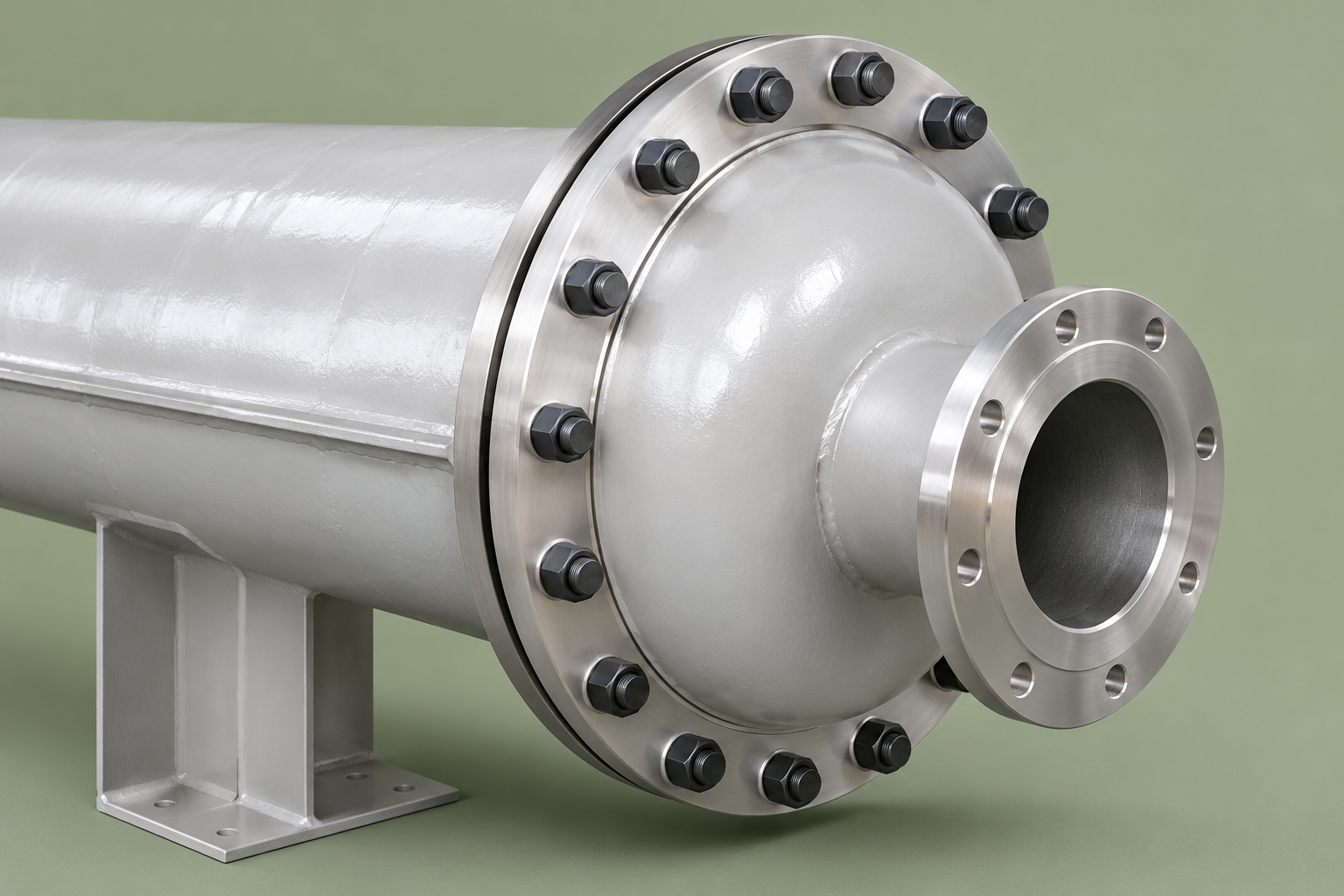
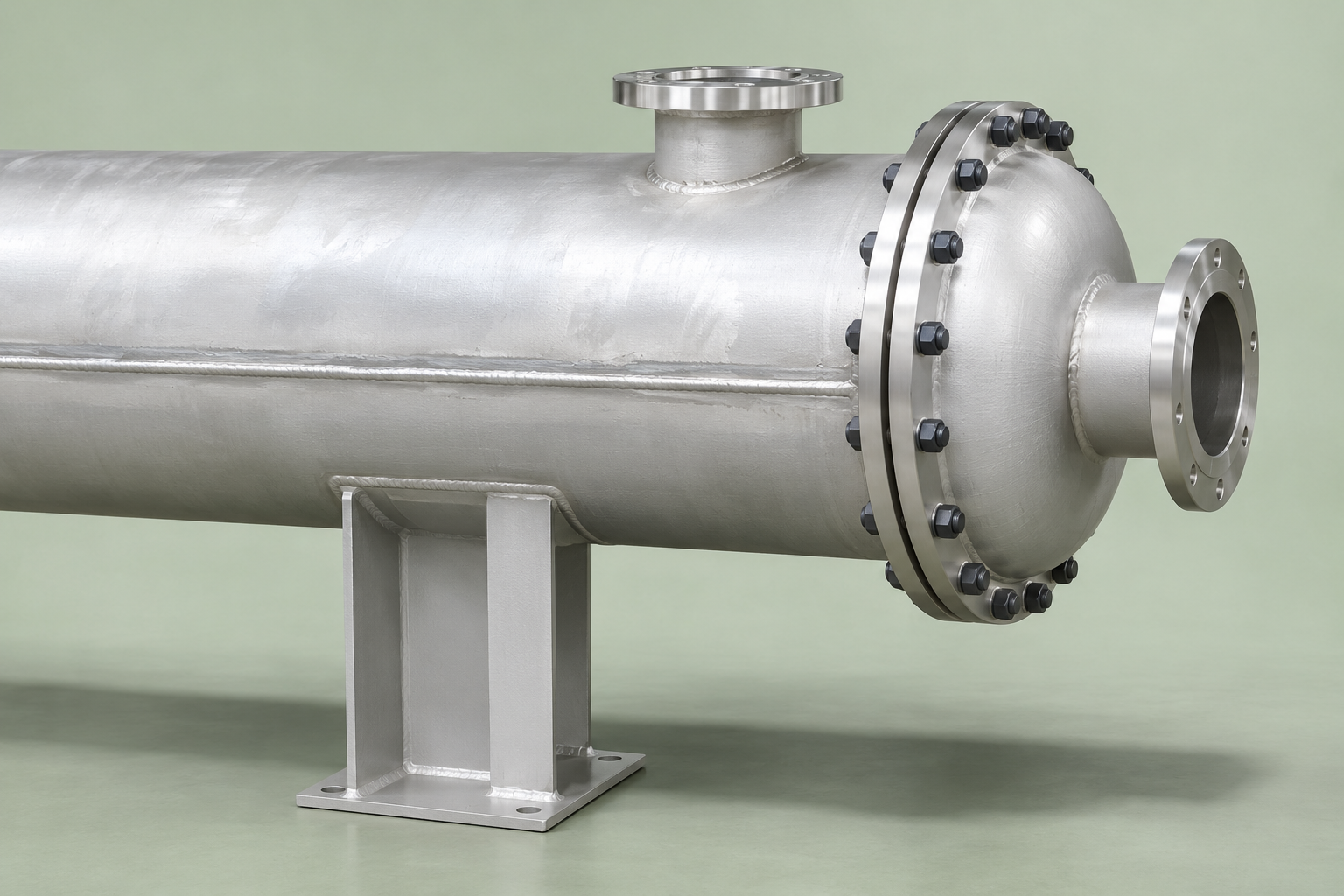
A YIYI fixed tube sheet shell and tube heat exchanger provides the equipment context. The product photograph does not establish a supplied relief valve, a complete protective system or certification of a site installation. Locate the actual protective arrangement from the approved system documents rather than identifying a safety device from appearance.
Distinguish three identities
The exchanger identity, the protective-device identity and the system location are related but different. The exchanger may have its own equipment number, a relief device may carry manufacturer and service identifiers, and the plant may assign a separate tag to the protected duty. A good review preserves all three and explains their relationship.
Start with the equipment register and current system drawing. Identify the pressure space or connected system that the device protects. Do not assume that one certificate covers both sides of a shell and tube exchanger. The actual design, isolation arrangement and operating scenarios determine the protective requirements, which need competent engineering assessment.
If the exchanger identity itself is uncertain, use the equipment nameplate and drawing reconciliation guide to organize that separate problem. A clearly identified relief valve cannot reconstruct missing exchanger design limits. Keep both issues open until each has a reliable documented basis.
Establish what work the certificate describes
Read the service scope before looking at the result. Inspection, examination, adjustment, repair and a workshop test are not interchangeable descriptions. Ask which work was performed, under what documented method, by whom and with what stated limitations. Preserve the full report rather than only the front-page summary.
Check whether the certificate records the condition on receipt, work completed and final reported condition. An as-left result may show a successful service outcome while the initial condition reveals an issue requiring follow-up. Do not delete the initial result from the asset history because the final result looks satisfactory.
A certificate is also a point-in-time record. Determine how the device was handled after the reported work, including packaging, transport, storage and installation. If seals, identification or condition changed afterward, ask the responsible specialist whether the certificate remains sufficient for the intended release. Avoid inventing a fixed validity period that the actual scheme does not specify.
Match identifiers without silently repairing them
Compare the physical marking, photographs, removal record, workshop report, dispatch paperwork and installation record. Record exact characters, including prefixes and suffixes. If a handwritten character could be read in two ways, request clarification or better evidence rather than selecting the interpretation that makes the records agree.
A plant tag can identify a location while a manufacturer serial number identifies a particular device. A workshop job number identifies a service transaction. These fields should not be copied into one another to eliminate a mismatch. If a device was exchanged, document the outgoing and incoming identities and the authorization for the replacement.
The National Board’s VR repair accreditation overview explains its program for pressure relief valve repair organizations. Use it to understand the scope of that accreditation, not as proof that a particular workshop, certificate or installation is accepted. Check the actual organization’s authorization and the applicable project requirements separately.
Use a certificate reconciliation table
The following original planning table is designed for document review. It gives no acceptance pressure, test tolerance or examination interval. Attach the actual equipment-specific requirements and assign unresolved questions to the responsible reviewer.
| مجال المراجعة | Records to compare | Question requiring resolution |
|---|---|---|
| Device identity | Physical marking, removal record and service certificate | Is this the same device or an approved replacement? |
| Protected location | System drawing, equipment register and installation record | Which pressure space or connected system is protected? |
| Work scope | Service order, method reference and detailed report | Does the reported work answer the requested examination scope? |
| Reported conditions | Units, medium and stated test or service conditions | Are the results interpreted on the correct basis? |
| Changes | Replaced parts, revised identity and approved engineering records | Was any change assessed for the installed duty? |
| إطلاق سراح | Technical disposition, remaining actions and restoration record | Who is authorized to accept the device for this installation? |
A useful review records evidence references next to the decision. Where a field is not applicable, state why. Repeated ‘N/A’ entries without explanation can conceal a misunderstanding of the protective arrangement rather than demonstrate a completed assessment.
Keep workshop results separate from system suitability
A workshop may confirm specified device characteristics under documented conditions. That result alone cannot establish that the installed system has the correct protective capacity, connection arrangement or discharge routing. Those questions require the approved engineering basis and a review of the actual installation.
Similarly, a matching nominal size or pressure entry is insufficient to approve substitution. Differences in construction, service conditions or approved application can matter. Route substitutions through the responsible engineering process and request the necessary evidence from the device manufacturer or authorized service organization. Do not assume interchangeability because two devices look similar in photographs.
HSE’s Safety of pressure systems guidance explains UK responsibilities for pressure-system information and examination. It supports treating protective equipment as part of a managed system. It does not provide a universal acceptance decision for every exchanger, and its legal framework should not be represented as the governing law for installations in other countries.
Read units and pressure descriptions carefully
A report can contain several pressure-related entries with different meanings. Preserve their original headings, units and stated conditions. Ask the responsible specialist to reconcile them with the approved device and system records. Do not relabel a workshop value as the exchanger operating limit merely because both use the same unit.
Where a certificate omits the measurement reference or relevant condition, request a corrected report or a formal clarification tied to the original document. An informal number supplied by telephone should not become the only basis for acceptance. The correction needs to remain traceable to the organization responsible for the original work.
This article intentionally provides no adjustment instruction or acceptance tolerance. Manipulating a relief device to make its behavior match a document can compromise its protective function. Any physical investigation, service or testing must be carried out by appropriately competent people under the applicable approved arrangements.
Resolve discrepancies before filing a pass
Classify discrepancies so the reviewer can see their significance. A missing page, ambiguous identifier, unexplained replacement and unresolved system suitability are different problems. Give each an action owner, the evidence requested and the decision that remains blocked. Avoid describing every issue as an administrative typo.
For an apparent clerical error, retain the original and obtain a controlled correction. For a device mismatch, preserve the removal and installation trail. For a missing engineering basis, request technical assessment rather than asking the workshop to reword its certificate. The organization that can correct a report may not be the organization authorized to approve the installed system.
إن hydrotest instrument record reconciliation guide offers a related example of matching evidence to physical equipment. A hydrotest report and a relief-device certificate answer different questions. Neither should be used to replace the other when both are required for the particular work package.
Carry the decision through installation and handover
Link the accepted certificate to the correct asset record and preserve the actual device location after installation. If a replacement was used, close the history of the removed unit without losing it and create the incoming-device relationship. Future reviewers need to know which certificate applied during each operating period.
Installation and restoration should follow the approved work package. The documentary reviewer should confirm that the required completion records exist, while competent personnel remain responsible for the physical work. Do not treat a filed certificate as proof that isolation changes, discharge arrangements or other restoration activities were completed.
استخدم maintenance contractor handover scope guide for the administrative transfer of responsibilities, adapting it to this pressure-system context. State remaining restrictions and next examination responsibilities clearly. The handover should identify what was accepted, by whom and on what evidence.
Prepare a focused request to the equipment supplier
When contacting YIYI, provide the exchanger order or equipment identity, relevant drawings, the installed device information available and the precise gap in the records. Ask which supplied documents describe the pressure spaces and any quoted protective arrangement. Do not assume that the supplier selected every component later installed by a site contractor.
Send device-service questions to the responsible device manufacturer or service organization, and system-acceptance questions to the competent pressure-system reviewer. A coordinated request can ask each party for the evidence within its scope. This avoids asking one supplier to certify an installation it has not designed or examined.
التعلم الإضافي: التحكم في الطاقة الخطرة
The educational video below explains hazardous-energy control as background for maintenance planning. It does not demonstrate relief-device servicing or authorize a live test. Keep physical work within the site procedure and the responsibilities of qualified personnel.
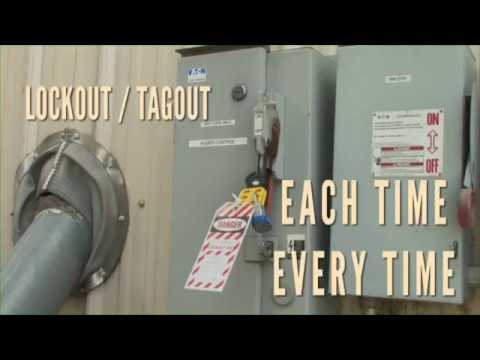
مراكز السلامة والصحة الزراعية في مصر: التحكم في الطاقة الخطرة لقفل/وسم.
الأسئلة الشائعة
Does a passed service certificate prove a relief device suits my exchanger?
No. Match the device identity, protected location and reported work to the approved system basis. Workshop performance and installed-system suitability require related but separate evidence and acceptance responsibilities.
What should I do if the serial number does not match?
Keep the discrepancy visible and compare the physical marking, removal record, service report and replacement authorization. Obtain a controlled clarification or correction from the responsible organization. Do not edit identifiers locally to force agreement.
Can the same certificate cover both exchanger pressure spaces?
Do not assume it can. Identify the actual protective arrangement for each pressure space or connected system from approved records. The responsible pressure-system specialist must determine what the certificate supports for that installation.


