

A storage tank temporary opening cover removal register should identify every temporary protective cover, the opening it protects, who controls it and the verified final condition. A total count alone is insufficient: ten covers removed from the wrong openings do not prove the vessel is ready. Use an opening-by-opening record that distinguishes temporary foreign-material protection from permanent operating components. This guide explains a maintenance planning and closeout aid. It does not authorize tank entry, identify safe vent arrangements from a photograph, or provide a pressure-rated closure design. The applicable equipment drawings and approved work procedure remain controlling documents.
Define what the register controls
Temporary covers can protect equipment while an opening is exposed during transport, installation or maintenance. Their purpose and suitability depend on the particular job. A cap used to exclude loose debris is not automatically a pressure-retaining closure, a hygienic barrier, a lifting attachment or an acceptable vent arrangement. Record its stated purpose so that a later crew does not mistake protection used during an outage for part of the operating configuration.
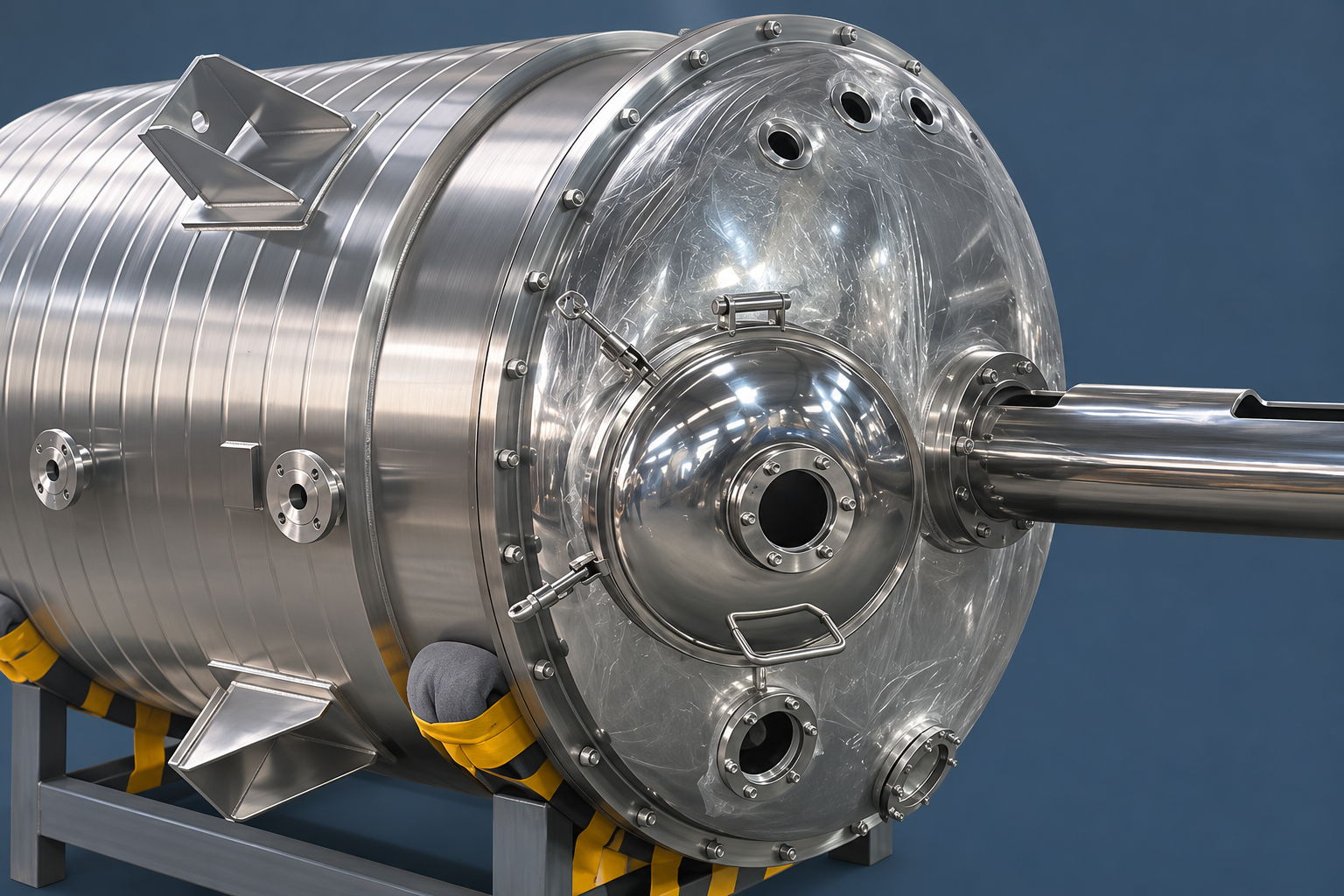
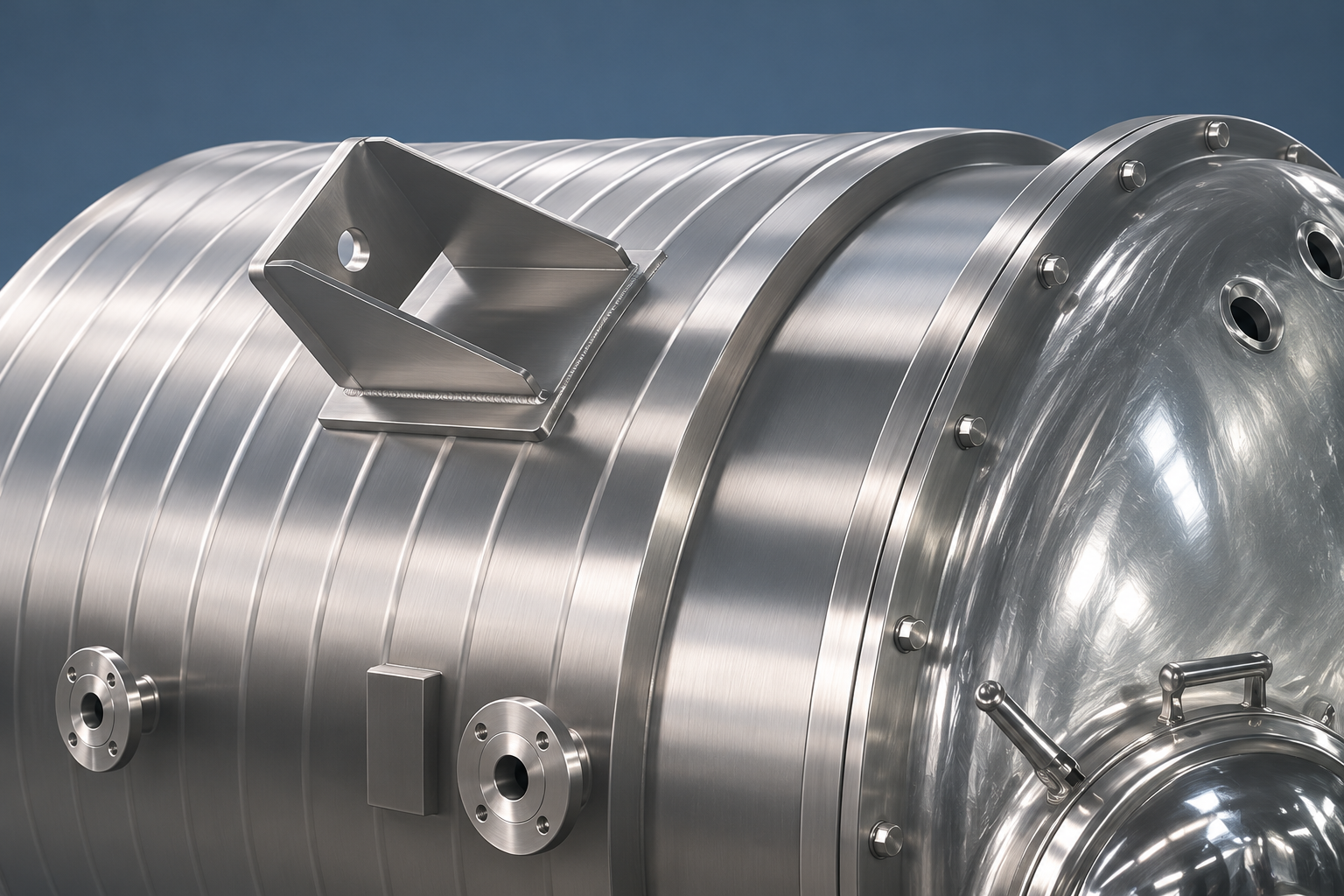
The site’s 2000L tank product page shows a horizontal vessel with visible connections and transport supports. It provides useful equipment context, but the image does not identify every opening’s service or prove which temporary devices are fitted. Start the register from the actual project nozzle schedule and the physical equipment identity. Ask the responsible equipment contact to resolve differences rather than naming a connection by its position in the photograph.
Establish the opening list before work starts
Identify each opening using the approved drawing reference, connection designation and an accessible location description. Where the plant uses a field tag, link that tag to the drawing identifier. Photographs can help a crew locate a nozzle, but photographs should supplement the written identity. A close image of a round flange without a vessel tag or orientation can be ambiguous after the equipment has moved.
Decide which openings are within the work boundary and which remain controlled under another procedure. Include inaccessible areas in the planning discussion instead of leaving them out of the register. Do not remove permanent components simply to make the list easier to complete. If equipment arrives with an undocumented plug or cap, record it as an unresolved condition and seek the relevant instructions. Treat “not found on drawing” as a question requiring review.
Give each temporary item a traceable identity
A temporary cover record should connect the device, the opening and the work activity. Depending on the site’s procedure, this may use an individual identifier, a controlled group record or another unambiguous system. The system needs to survive shift changes and partial work completion. A handwritten mark that becomes unreadable during cleaning does not reliably connect a removed item to its original location.
Before installation, check the cover’s condition and suitability under the approved work plan. Account for attachments that could become loose, including fastening pieces used by the selected device. Do not improvise a generic attachment method from this article. The appropriate device and securing method depend on the opening, environment and hazards. Record the inspector and any limitation so that later users know the boundary of the check rather than seeing an unexplained tick.
Use a register that records the final condition
The table below is an example structure, not a complete operating checklist. Populate it with verified equipment-specific information. It deliberately avoids pressure ratings, dimensions and material requirements that cannot be inferred from the visible vessel.
| Register field | ما يجب تسجيله | Why it matters at closeout |
|---|---|---|
| Vessel and opening identity | Equipment tag, drawing reference and nozzle designation | Prevents another opening being signed off by mistake |
| Temporary device identity | Device identifier, purpose and associated attachments | Connects the removed object to the installed record |
| Installation event | Date, responsible person and initial condition | Establishes the starting accountability |
| Work access event | Authorized removal and reinstallation while work continues | Shows intermediate changes rather than only totals |
| Final removal verification | Item condition, attachment accountability and witness if required | Identifies missing pieces or unresolved damage |
| Approved final configuration | Permanent component restored or other documented condition | Separates cover removal from equipment release |
| Outstanding issue | Hold reference, responsible reviewer and next action | Prevents unresolved questions disappearing at handover |
إن EPRI foreign material exclusion guidance discusses opening protection and accountability in power-plant work. Its risk context differs from a tank installation. The transferable principle is to control protective devices and investigate discrepancies, while selecting actual methods through the tank project’s approved procedure. Do not import nuclear or power-plant requirements as an unsupported certification claim about the vessel.
Keep protection changes visible during the job
Maintenance rarely follows a simple sequence in which every cover is installed once and removed once. An opening may be exposed for inspection, closed during a break, reopened for a second activity and finally restored. The register should make these changes understandable. Otherwise, the final number of recovered covers can agree with the initial count even though an opening was left unprotected during an unattended period.
Agree who may change the status and how other teams will be informed. Where multiple contractors share the vessel, identify the person responsible for the common opening record. Related activities can use separate work orders, but they still need a consistent equipment state. The existing maintenance contractor handover guide supports that responsibility discussion. A cover log is one input to handover, not a substitute for the broader work-control system.
Plan safe access without turning the register into permission
Checking an opening can expose people to mechanical, chemical, stored-energy or access hazards. The record does not make the task safe by itself. Use the approved isolation, access and permit arrangements for the actual equipment. Never enter a tank or reach into an opening merely to recover a missing item without the required assessment and authorization. A production deadline does not remove those prerequisites.
إن إرشادات الصيانة والسلامة والصحة المهنية emphasizes competent people, planning and safe working arrangements. It is UK guidance and should be used within its stated jurisdictional context. For this register, the practical consequence is straightforward: assign physical verification to people authorized and equipped for the actual task, and record inaccessible or unsafe-to-check areas as open issues. A remote photograph can support a decision but cannot establish conditions outside its view.
Investigate discrepancies instead of adjusting the count
If a cover or attachment cannot be accounted for, preserve the discrepancy. Record the last known location, work activity and persons involved. Check whether an item was transferred, replaced or disposed of through an authorized route. Do not add an unverified replacement item to a removal tray simply to make the count match. Numerical agreement created after the event does not recover the missing evidence.
Escalate the possible equipment impact to the responsible reviewer. That person may require inspection, controlled retrieval or another action determined by the actual risk. Keep the action connected to the opening identity and the work record. If a cover is recovered damaged, examine whether its missing material could have entered the system under the approved investigation process. “Removed” and “removed intact with attachments accounted for” can lead to different decisions.
Distinguish final restoration from an empty register
A register with no temporary covers remaining does not establish the correct operating configuration. A permanent closure may still be absent, an operating component may be wrongly fitted, or a connection may require a separate inspection. Record the intended final state and the evidence that it has been achieved. Leave installation torque, sealing requirements and inspection acceptance to the equipment-specific procedure and qualified reviewer.
Vents need particular care because excluding debris during work and allowing the required operating flow are different objectives. Use the relevant equipment documents, and consult the site’s vent screen inspection guide for the separate inspection intent. Do not infer from this article that a nozzle can be capped during operation. Its required function must be established before temporary protection is selected or the final state approved.
Prepare a closeout package that can be audited
Attach the completed opening register, marked drawing reference, relevant photographs, discrepancy decisions and restoration records. Identify who reviewed the package and what release decision remains elsewhere. If an issue is transferred to another work order, state the receiving reference and responsible person. “To be completed later” without ownership can turn an unfinished task into an apparently closed package.
For purchasing or supplier support, send a focused inquiry: vessel identity, drawing revision, opening designation, observed device, intended work and the question requiring clarification. Do not request a generic confirmation that all tank openings are safe. The tank nameplate and drawing reconciliation guide explains the related identity check. Combining that identity with a complete device record gives the supplier a concrete issue to answer without assuming capabilities or components the product page does not claim.
Further learning: maintenance energy control
The following neutral safety video explains hazardous-energy control. It supports maintenance planning context and does not approve a particular tank isolation, entry method or temporary cover. Apply the site’s actual procedure before touching installed equipment.
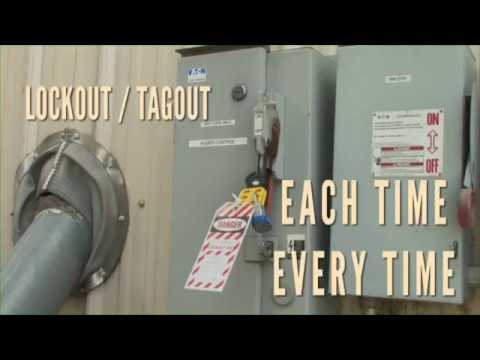
مراكز السلامة والصحة الزراعية في مصر: التحكم في الطاقة الخطرة لقفل/وسم.
الأسئلة الشائعة
Does the same number of removed and installed covers prove completion?
No. Reconcile each device with its intended opening, account for associated attachments and verify the approved final configuration. Matching totals alone can conceal a wrong location or an unresolved intermediate change.
Can a temporary debris cover serve as a pressure-rated closure?
Not without the required equipment-specific design and approval. Record the cover’s actual purpose and follow the vessel documents. This register provides accountability and does not establish a pressure rating or operating suitability.
What should happen when a cover cannot be accounted for?
Keep the discrepancy open, identify the affected opening and last known activity, and route it to the responsible reviewer. Follow the approved investigation and safe-access arrangements rather than changing the count or improvising retrieval.


