

A fermenter cooling jacket pressure test needs an approved boundary drawing that distinguishes the jacket from the product chamber, identifies everything exposed to the test, and addresses the pressure difference across their shared wall. Do not choose a test pressure from a generic multiplier or assume that a vessel pressure rating also applies to its jacket. Obtain the actual equipment records and a competent engineering review before preparing any test. This guide helps buyers and project teams define the information they need; it is not a pressure-testing procedure.
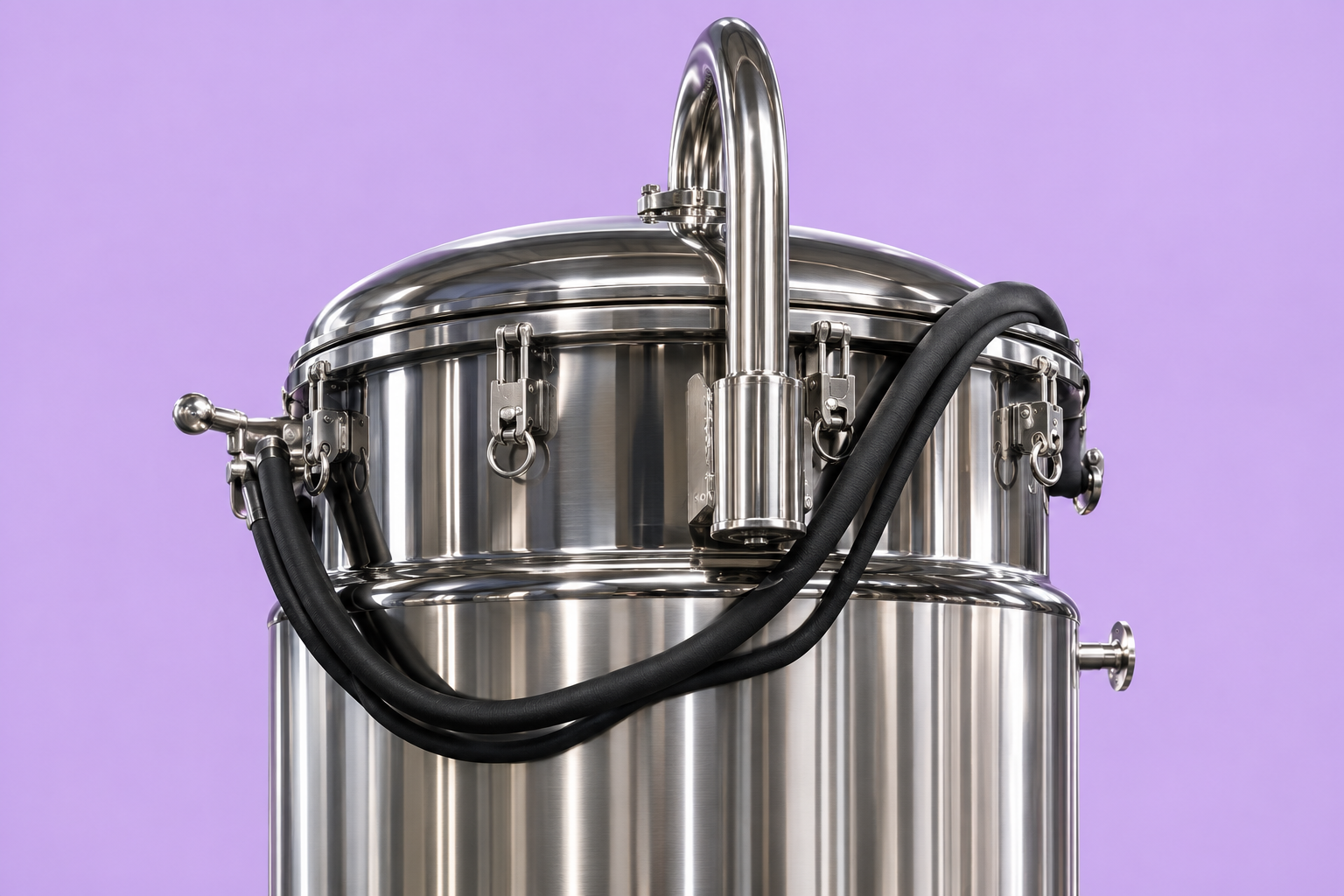
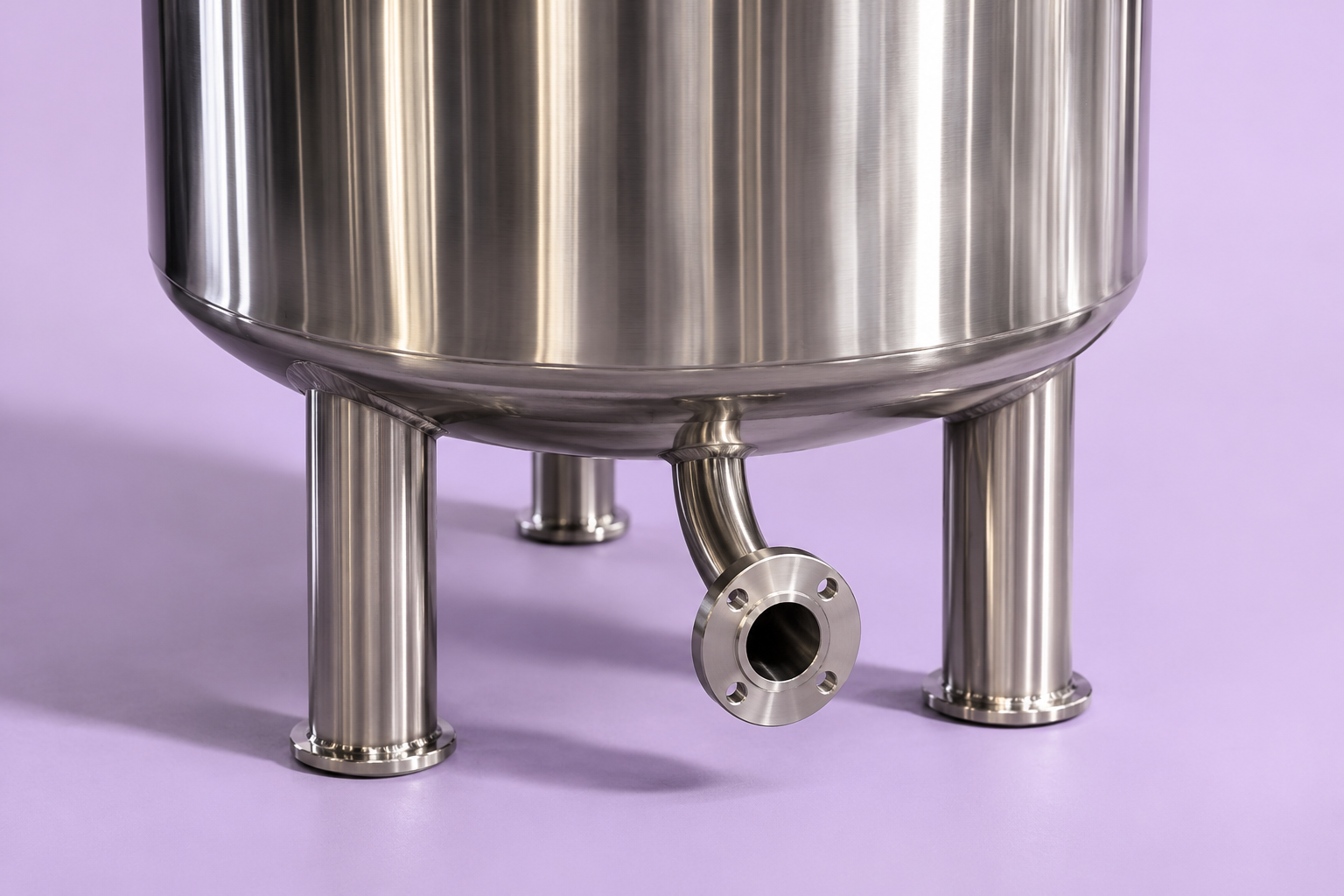
إن YIYI fermenter product page provides an equipment starting point. Its external photograph does not prove internal jacket construction, allowable differential pressure, pressure-vessel certification or the identity of individual connections. Confirm the ordered configuration and approved drawings rather than inferring these details from a polished outer wall.
Start with the reason for the test
A factory acceptance test, an installation leak check, an investigation after a suspected leak and a test following a repair answer different questions. Write the purpose in the first line of the request. Include the event that triggered the work, the intended acceptance decision and which responsible organization must approve the result.
A request to ‘test the fermenter’ is incomplete. It leaves uncertainty about the product chamber, cooling jacket, connecting utility pipework and temporary equipment. It also obscures whether the team is checking a new assembly, verifying a repair or investigating communication between separate spaces. Define the question before selecting the method.
دليل التمدد الحراري للمبادل الحراري fermenter jacket zone guide concerns cooling arrangement. Identifying zones can help locate relevant drawings, but a temperature-control description is not a pressure-test boundary. Separate thermal-operation information from the mechanical limits and testing instructions needed for this task.
Show every pressure space on the drawing
Ask for a marked drawing that identifies the product chamber, each actual jacket circuit, any separate heating or cooling space and the utility connections included in the proposed work. Use connection identifiers from the equipment drawing. Where the site label differs from the drawing, reconcile the difference before issuing the work package.
The drawing should show where the proposed boundary ends and what remains outside it. The engineer must decide how permanent and temporary components are treated. A hose, blank, fitting or instrument exposed to the test needs an appropriate basis for inclusion; its convenient location does not establish suitability.
Keep marked drawings legible and revision controlled. A photograph is useful for locating a connection, while a drawing explains its intended relationship to the system. Neither should silently replace the other. When the installed arrangement differs from the supplied drawing, record an open discrepancy and obtain a corrected or approved representation.
Review the shared wall and the opposite chamber
A jacket and product chamber can expose a shared wall to different pressure conditions. Understanding the individual ratings alone may be insufficient. Ask the designer how the proposed test condition affects that wall and what constraints apply to the pressure or condition of the opposite chamber throughout the work.
Do not infer that pressurizing both spaces together is acceptable. Equally, do not assume that leaving the other space at atmospheric pressure is harmless. The suitable arrangement depends on the design and approved test plan. The assessment needs to address the actual combination of pressures and the sequence of changes, including credible errors and interruptions.
HSE’s Safety of pressure systems guidance provides a UK framework for pressure-system information, safe operating limits and examination responsibilities. It does not certify a particular fermenter or replace the applicable rules in another country. Use the project jurisdiction, equipment design basis and responsible specialist to establish the specific requirements.
Make the boundary review concrete
The following original checklist helps organize a review meeting. It supplies questions rather than numerical test conditions. The answers should come from approved equipment documents and the people responsible for engineering, testing and site safety.
| بند المراجعة | المستندات والأدلة المطلوب طلبها | Unresolved condition to flag |
|---|---|---|
| هوية المعدات | Order reference, vessel identity and applicable drawing revision | Drawing cannot be tied to the installed fermenter |
| Pressure spaces | Marked chamber and actual jacket circuit boundaries | Connection function inferred from appearance |
| Shared wall loading | Design review of proposed differential conditions | Separate ratings supplied without combined-condition assessment |
| Included components | Component register linked to the marked boundary | Temporary fitting has no suitability evidence |
| Test purpose | Approved scope and acceptance decision | Leak check and strength verification used interchangeably |
| Closeout | Results, deviations and restoration responsibilities | Passing result issued without defining what was tested |
A completed meeting checklist is not permission to apply pressure. Use it to identify missing inputs and route them to the responsible designer or test organization. Keep approval of the eventual method distinct from approval of the equipment drawing.
Separate design, operating and test values
Documents may contain design pressure, allowable pressure, normal operating pressure and a historical test pressure. Label each value with its source, units, temperature basis and the pressure space it describes. A single number transcribed without its heading can be dangerously misleading.
Also distinguish gauge and absolute pressure, and avoid mixing measurement references between documents. Where a certificate records only ‘bar’, ask what the value means rather than choosing an interpretation. The responsible engineer should resolve the reference and specify how the planned instruments and records will express it.
An old successful test does not automatically authorize the same test now. Repairs, corrosion, replacement components or changed boundary conditions may alter what is appropriate. Use previous results as history and ask whether they remain relevant to the present condition. Do not turn a historical certificate into a permanent blanket instruction.
Plan the test through competent specialists
HSE’s GS4 pressure testing guidance addresses the hazards and planning of pressure testing. Its value here is the need for a deliberate, controlled activity with suitable responsibilities and safeguards. This article does not select the test medium, pressure, hold time, exclusion arrangements or inspection method for a particular fermenter.
The test organization needs enough information to assess stored-energy hazards, temporary equipment, access, communications and emergency arrangements. Those decisions should appear in the approved work package, not be improvised beside the tank. Do not treat a small jacket volume or apparently low pressure as evidence that the work is routine or risk free.
If the proposed test cannot be performed under the documented conditions, stop the planning assumption and request an approved alternative. A different method may answer a different question. Its acceptance basis and limitations need explicit review rather than being described as equivalent because it is faster or easier to arrange.
Make instrumentation traceable to the boundary
Instrument identity matters because a report must establish what was measured and where. Link each relevant instrument to the marked boundary and its role in the planned test. Preserve the required calibration or verification evidence and ensure the report uses the same identifiers as the work package.
إن heat exchanger hydrotest instrument reconciliation guide discusses documentary matching in another equipment context. Its record-control approach can inform a fermenter work package, but the exchanger’s pressure limits and test method cannot be carried over. Keep the shared documentation principle separate from equipment-specific engineering.
Measurement records should make deviations visible. If an instrument was replaced during the work, preserve the reason, timing and replacement identity. A final certificate listing only the original instrument can conceal an important break in evidence. Have the responsible reviewer determine whether the record remains adequate for the intended decision.
Close the job with a defined tested condition
A useful report states the equipment identity, drawing revision, exact boundary, approved method reference, actual results and any deviations. Include the condition of the opposite pressure space where relevant to the approved plan. The reader should understand both what the result supports and what it does not address.
Restoration needs its own assigned responsibility. Temporary components, isolated services and instrument changes should be accounted for under the site procedure before operational release. A successful pressure test does not prove that cooling controls, process hygiene or the complete utility system are ready for production.
إن contractor handover document guide can help frame the document transfer, provided its administrative approach is adapted to this equipment. Keep unresolved engineering issues open until the authorized reviewer has answered them.
Prepare a focused fermenter inquiry
Send YIYI the equipment or order reference, available drawings, the intended test purpose, the site jurisdiction and the known boundary concern. Ask for the supplied jacket configuration, applicable design information and the correct technical contact. Request written clarification of any ambiguous connection or pressure-space relationship.
When planning a new purchase, include documentation deliverables in the inquiry rather than requesting them after installation. Ask which drawings, pressure-space identification, test records and operating instructions can be supplied for the quoted configuration. Do not assume that a standard product photograph establishes those deliverables or any specific approval.
Further learning: safe maintenance planning
The neutral educational video below explains hazardous-energy control. It provides background for work planning, not pressure-test authorization. Pressure testing requires its own approved engineering and safety arrangements, even when routine maintenance isolation has already been completed.
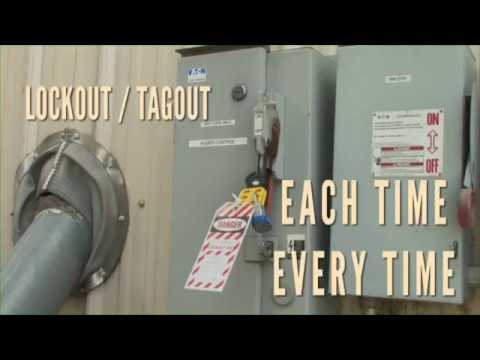
مراكز السلامة والصحة الزراعية في مصر: التحكم في الطاقة الخطرة لقفل/وسم.
الأسئلة الشائعة
Can the jacket use the same test pressure as the product chamber?
Do not assume so. Obtain the actual design limits for each pressure space and the approved assessment of shared-wall loading. The responsible engineer must define the specific test conditions and their sequence.
Does an external fermenter photograph identify the jacket test connections?
No. An external photograph can help locate visible hardware but cannot establish internal flow paths or pressure-space boundaries. Use approved drawings and reconcile the installed labels before preparing the test package.
Is a passed jacket test sufficient to release the fermenter for production?
No. The result only supports the defined tested boundary and acceptance decision. Operational release also requires the applicable restoration, utility, control, hygiene and other equipment checks to be completed by their responsible owners.


