

When storage tank cleaning reveals residue that does not match the agreed work package, the affected activity needs review before the team improvises a new method. Record the discrepancy, notify the responsible site personnel and determine which assumptions about substances, access, equipment and waste handling must be reassessed. Agree the revised scope and required authorization before continuation. This guide helps owners and buyers organize that decision. It does not identify an unknown substance, prescribe a cleaning chemical or authorize tank entry, sampling, waste movement or restart.
Recognize the change without guessing its cause
An unexpected deposit might differ in appearance, location, amount or behavior from what the contractor was told to expect. Describe the observable difference without assigning a chemical identity from color or smell. A statement such as “additional adherent material visible at the documented opening” is more defensible than declaring an unknown residue harmless because it resembles a familiar product.
The initial record should identify the tank, the agreed cleaning objective and the point at which the difference was noticed. State which activity was affected and who was notified. Information collection must follow the site’s controls; do not enter, touch, disturb or sample an unknown material simply to make a more complete purchasing report. Competent personnel determine how further evidence can be obtained safely.
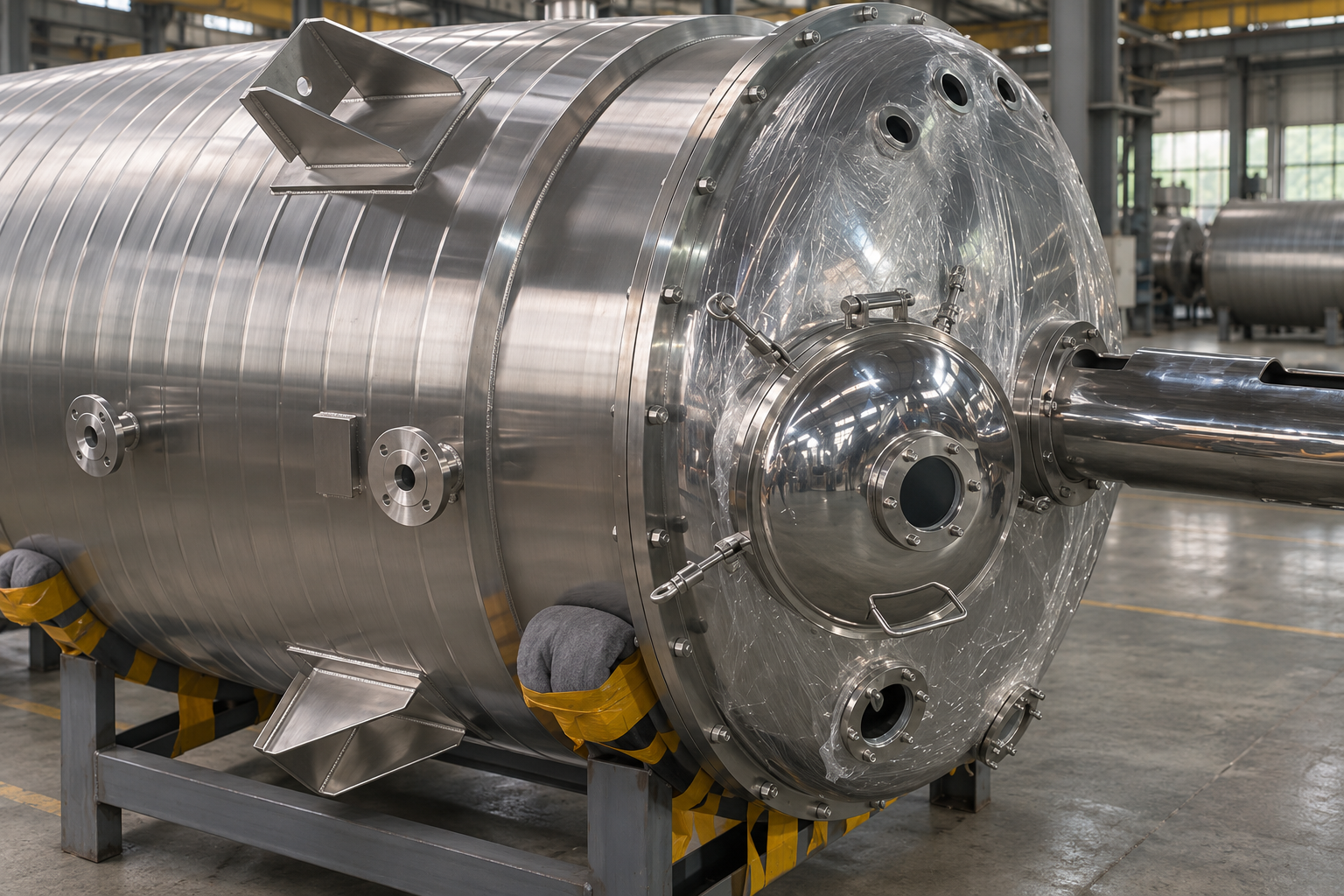
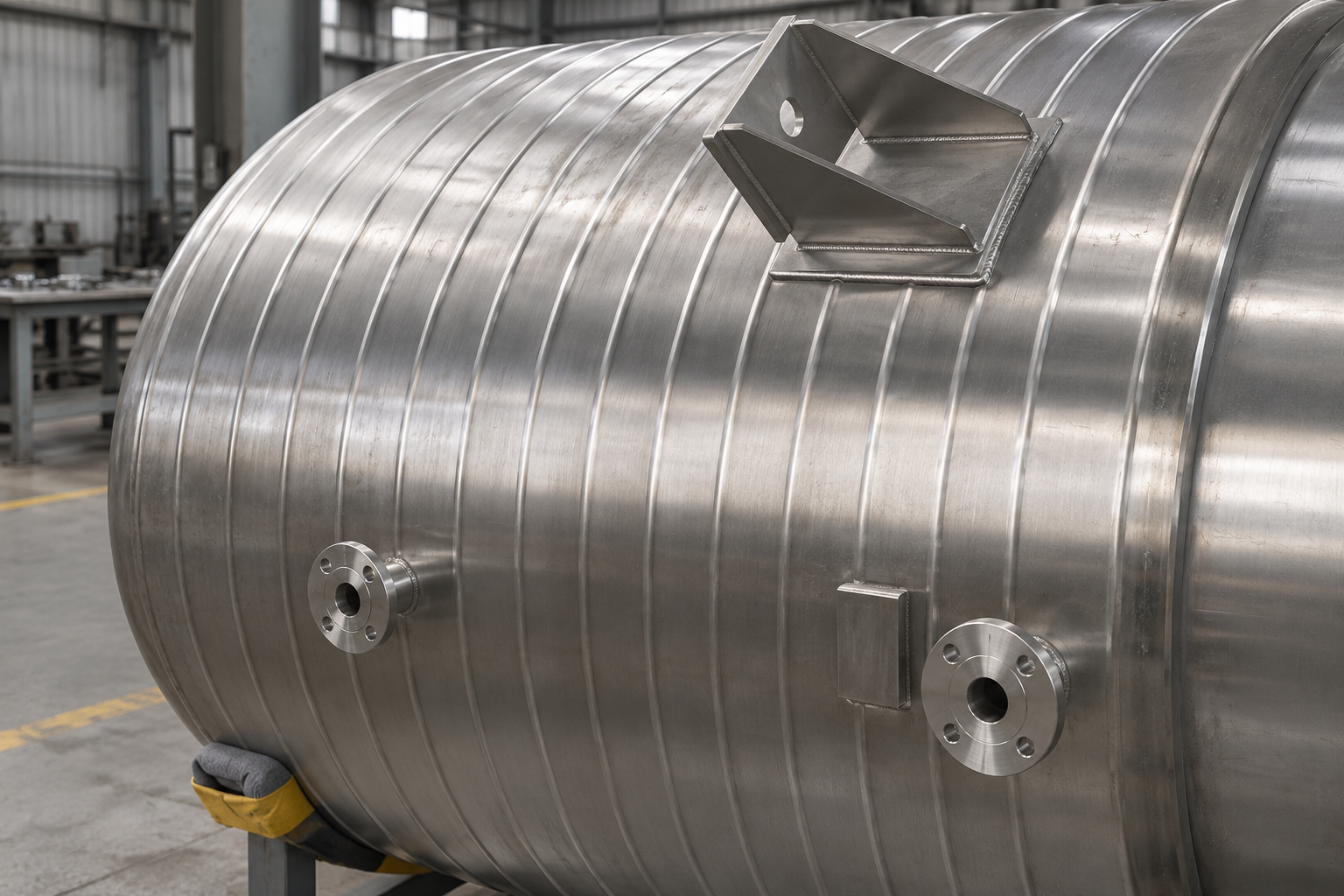
For equipment such as the website’s 2000L storage tanks, the public image establishes an equipment reference, not the contents or condition of a tank at a customer’s site. The storage tank types and uses guide explains broader equipment context. Actual contents history and installation records remain necessary for a cleaning decision.
Compare the finding with the original scope
Retrieve the accepted work description rather than relying on what participants remember from the quotation. Identify what the cleaning contractor was asked to achieve, what information the owner supplied and which exclusions or assumptions were agreed. A task specified as product removal may have a different acceptance condition from preparation for internal examination or a controlled product changeover.
Compare the new information with those assumptions. Does it affect the substance information, the planned method, access arrangements, equipment availability, waste route or acceptance criteria? One discrepancy can affect several interfaces. Keep the review broad enough to find those connections without expanding automatically into unrelated maintenance work.
HSE’s guide to using contractors explains the importance of defining the work and coordinating responsibilities. Its Great Britain workplace context should not be treated as a universal contract clause. The practical lesson for purchasing is to make a changed requirement explicit so both owner and contractor can assess their responsibilities before agreeing additional work.
Keep uncertainty visible in the evidence package
Collect existing contents records, relevant safety data sheets, cleaning history and known process changes. Note any gaps, including uncertain previous contents or incomplete information about cleaning agents. A safety data sheet for the last known product may be useful, but it does not by itself identify every material left after a process or prove the characteristics of a mixed residue.
Where technical assessment or testing is required, the qualified reviewer should define its purpose and limitations. The buyer can arrange communication with the appropriate parties without inventing a sample method or deciding that a single result answers every question. Identify which decision the evidence must support: method selection, exposure control, waste assessment or another clearly stated issue.
HSE’s COSHH assessment guidance explains that relevant hazards can arise from processes as well as labeled products, and that maintenance workers and contractors should be considered. Use that general principle to avoid overlooking people affected by the changed work. It does not establish the identity of a particular residue or a numerical exposure limit for an unidentified mixture.
Review the consequences through a change table
This table is a coordination aid for a scope review. It contains no cleaning recipe, prescribed test value or permission to discharge. The responsible site reviewers should adapt it to the actual installation, work and applicable requirements.
| Affected assumption | Evidence to bring to the review | Decision to record |
|---|---|---|
| Expected residue | Original scope and factual discrepancy record | What remains unknown and who will assess it |
| Cleaning objective | Agreed condition needed by the next activity | Whether the acceptance condition has changed |
| Work method | Contractor proposal and identified limitations | Whether a revised method needs technical approval |
| Access and interfaces | Current site work controls and related activities | Which permissions and coordination records need review |
| Equipment and resources | Proposed tools, personnel and competence evidence | What additional capability must be confirmed |
| Waste handling | Existing route assumptions and new material information | Whether classification or recipient acceptance needs review |
| Commercial scope | Defined additional deliverables and exclusions | Who may approve cost and schedule changes |
Use a named owner for each unresolved question. Avoid an entry that simply says “contractor to sort out” where the answer depends on the owner’s process history or permission system. Equally, do not assign method approval to a buyer merely because the buyer controls the purchase order. Commercial and technical authority can sit with different people.
Reassess access before changing the method
A method change may affect access needs and the conditions assumed in the original work package. A job planned around external work should not drift into an entry task through an informal instruction. The appropriate specialists must determine whether the revised activity creates confined-space or other hazards and what arrangements apply.
Refer to the applicable local framework and the site’s approved procedures. HSE’s confined spaces resources provide Great Britain guidance and links to detailed publications. They do not mean every tank is assessed identically, and a general article cannot determine whether a specific entry is permitted. Avoid universal statements about ventilation, monitoring or rescue equipment without the required site assessment.
The scope record should identify who will review the access question and what evidence will close it. Until that decision is made, keep the affected work within the restrictions set by the responsible authority. A commercial agreement to pay for additional labor does not itself authorize a more hazardous task.
Keep waste decisions separate from cleaning completion
The discovery may change the information needed for waste assessment and recipient acceptance. Confirm whether the existing route still covers the actual material, including relevant cleaning inputs. Do not assume that a route approved for a known product automatically accepts an unexpected mixture or a different physical form.
The separate waste classification evidence guide addresses that assessment issue. This article focuses on recognizing the scope change and coordinating the resulting review. The cleaning team should not select a waste code from appearance alone or move material under an unrelated description to preserve the original schedule.
Also distinguish a waste route from a drainage destination. Where wastewater handling is relevant, use the discharge authorization review to organize the separate permission question. A tank being visibly cleaner does not demonstrate that its remaining liquid may be discharged. Keep containment and movement decisions with the authorized site personnel and applicable recipient arrangements.
Ask the contractor for a revised deliverable
A useful revision describes the affected equipment, the changed assumption and the additional work proposed. It states what information the contractor still needs and what remains excluded. Ask for acceptance criteria that the owner and the next responsible party can understand. “Remove more residue” is difficult to price and verify unless the intended outcome is defined.
Separate cleaning, examination, repair and restoration where they are performed by different parties. Unexpected material may obstruct an inspection without proving that a repair is needed. Conversely, a cleaning task should not silently include a decision about the acceptability of a newly visible defect. Assign each decision to the appropriate technical owner.
Commercially, record the effect on resources, time and price, together with the assumptions behind those figures. Do not request a guaranteed completion time while withholding the information needed to assess the work. A conditional proposal can be appropriate when the technical review is still underway, provided the conditions and authorization boundaries are clear.
Reconcile permits and related work before continuation
Once the revised proposal has been reviewed, check which controlled documents need updating. This may include the work description, risk assessment, method statement, permit references and waste arrangements, depending on the actual change. The site system determines the required records and who may approve them.
Keep related teams informed where the new work affects their planned activities. An inspection contractor may need a different access date; operations may need to maintain the equipment unavailable; a recipient may require additional material information. Describe these dependencies in the revised schedule rather than treating the cleaning contractor’s finish date as the only milestone.
The continuation decision should identify the accepted revision and the conditions that remain applicable. Preserve the earlier scope so the reason for the change can be reconstructed. Do not overwrite the original description in a way that makes it appear the unexpected work was known and approved from the outset.
Learn from an investigation of hidden hazards
The US Chemical Safety Board video below concerns hidden hazards during hot work. It is included to explain why assumptions about equipment and contents deserve careful review when work conditions change. It is not a tank-cleaning method demonstration and does not suggest that hot work forms part of the cleaning task. No operational decision should depend on watching the video.
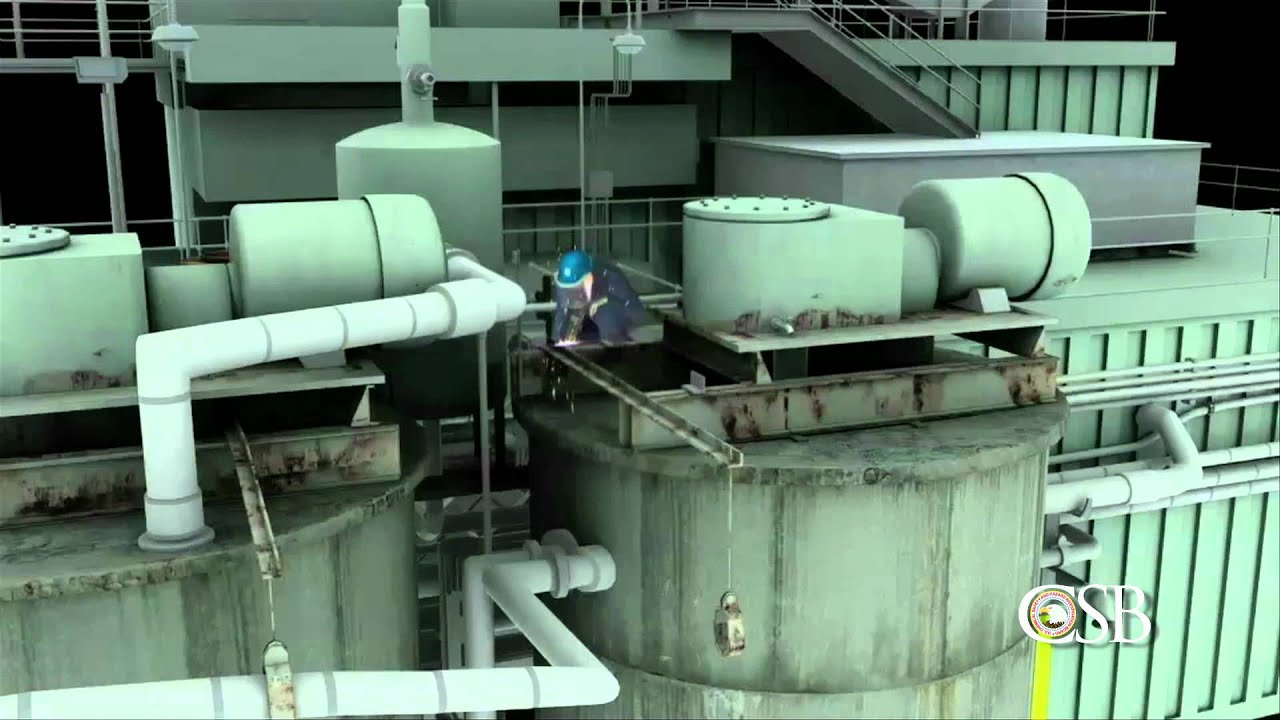
USCSB: Hot Work: Hidden Hazards.
Close the change and improve the next inquiry
At completion, record the actual delivered condition, accepted evidence and any unresolved restrictions. Identify which party accepts the cleaning outcome and which party decides on the next activity. A contractor’s completion note and an owner’s return-to-service decision may answer different questions. Keep those responsibilities distinct in the closeout package.
Use the findings to improve future work descriptions. Update relevant contents history and known limitations through the site’s records process. When requesting equipment information from Kanger, provide the tank identifier, applicable drawings and the specific document question. Do not assume that an equipment supplier can identify an unknown site residue from an exterior photograph. A focused inquiry produces a more useful response and avoids promises outside the available evidence.
FAQ
Does unexpected residue always require a completely new contract?
The commercial response depends on the agreed terms and extent of the change. The affected technical assumptions and work authorization still need review. Record any additional scope and obtain approval from the people authorized to make those decisions.
Can the cleaning contractor identify the residue visually?
Appearance can be recorded as an observation, but it does not establish chemical identity, exposure hazards or waste classification. The responsible reviewer determines what further information or assessment is required and how it can be obtained safely.
When can work continue after the finding?
Continuation requires the appropriate site review and authorization for the revised activity. The decision should identify the accepted work package and applicable conditions. A revised price, an open work order or a delivery deadline does not replace that authorization.


