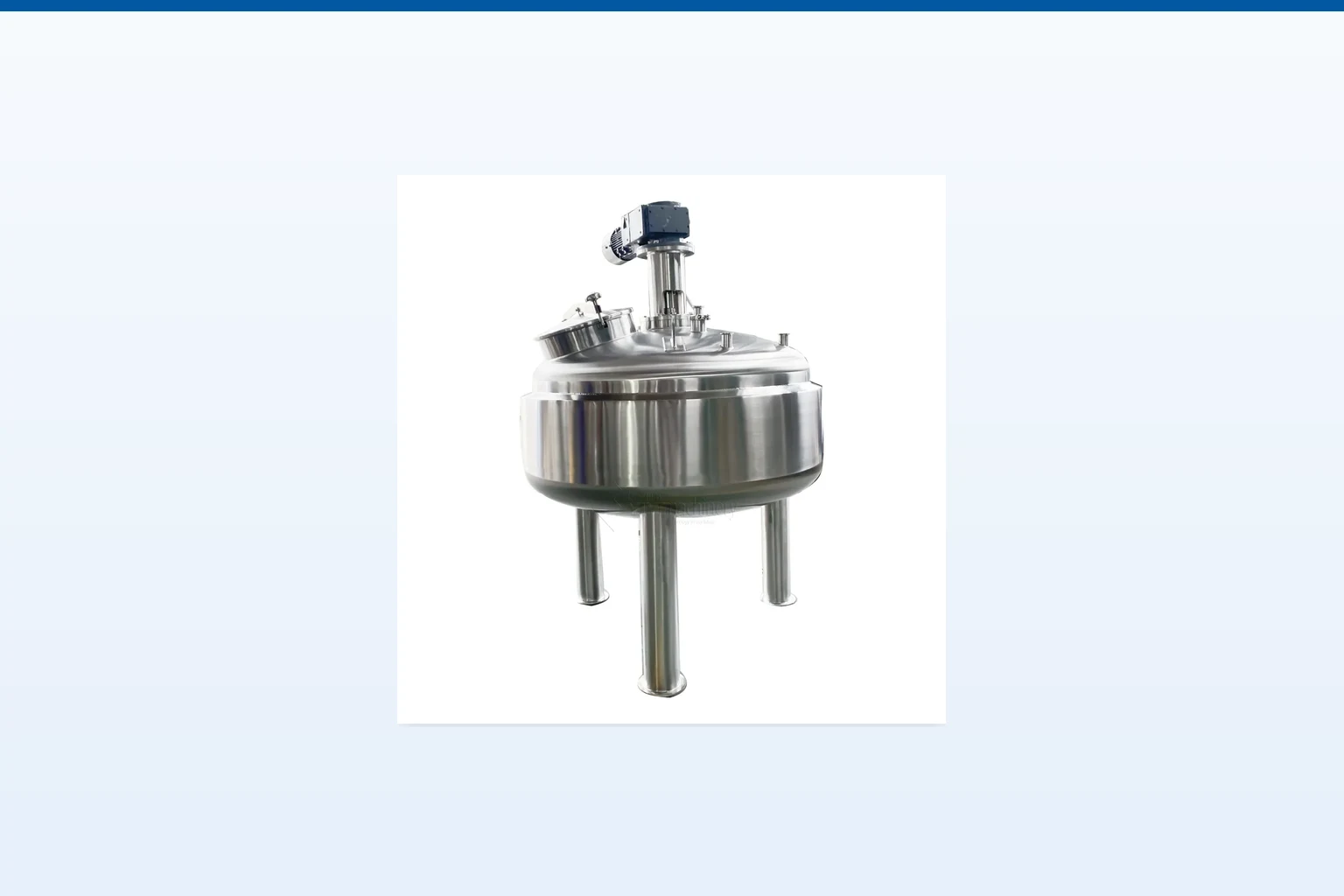
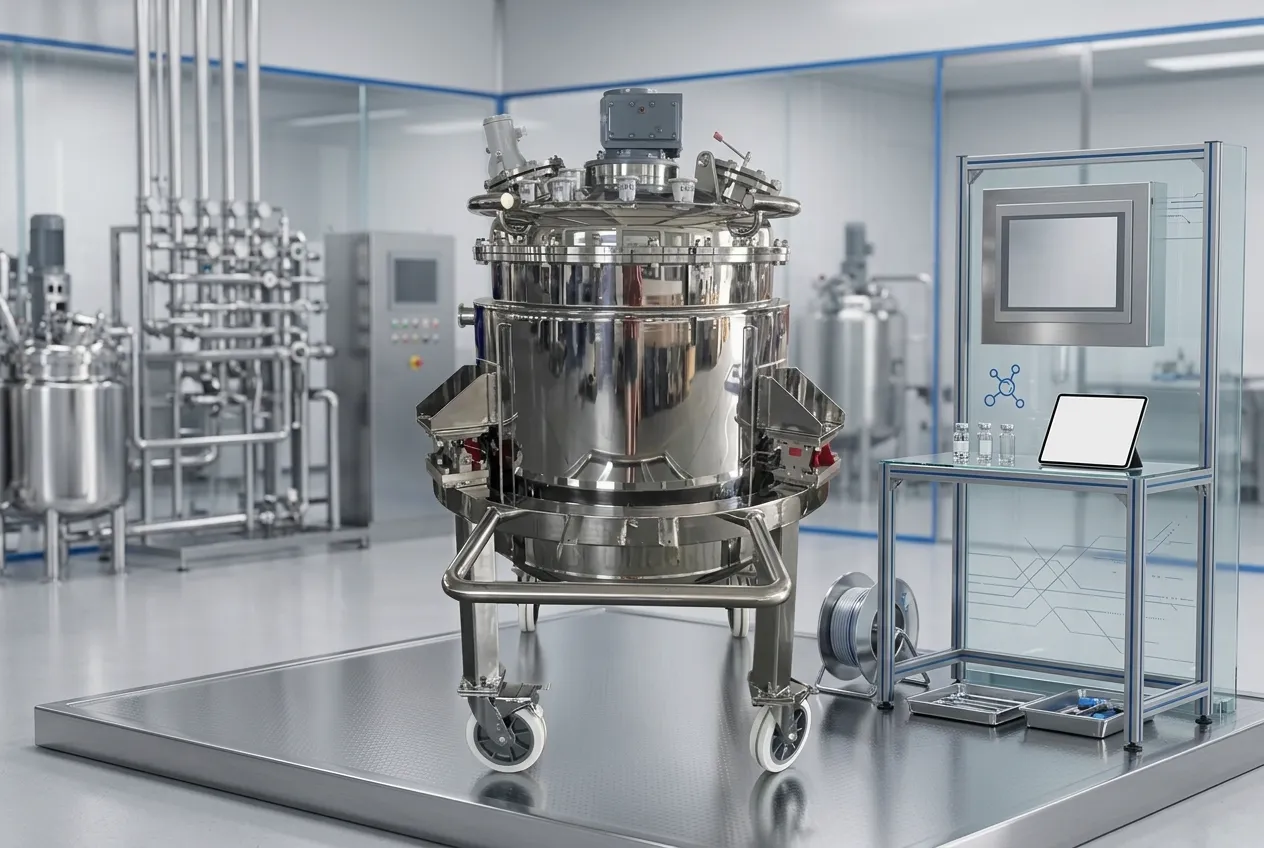
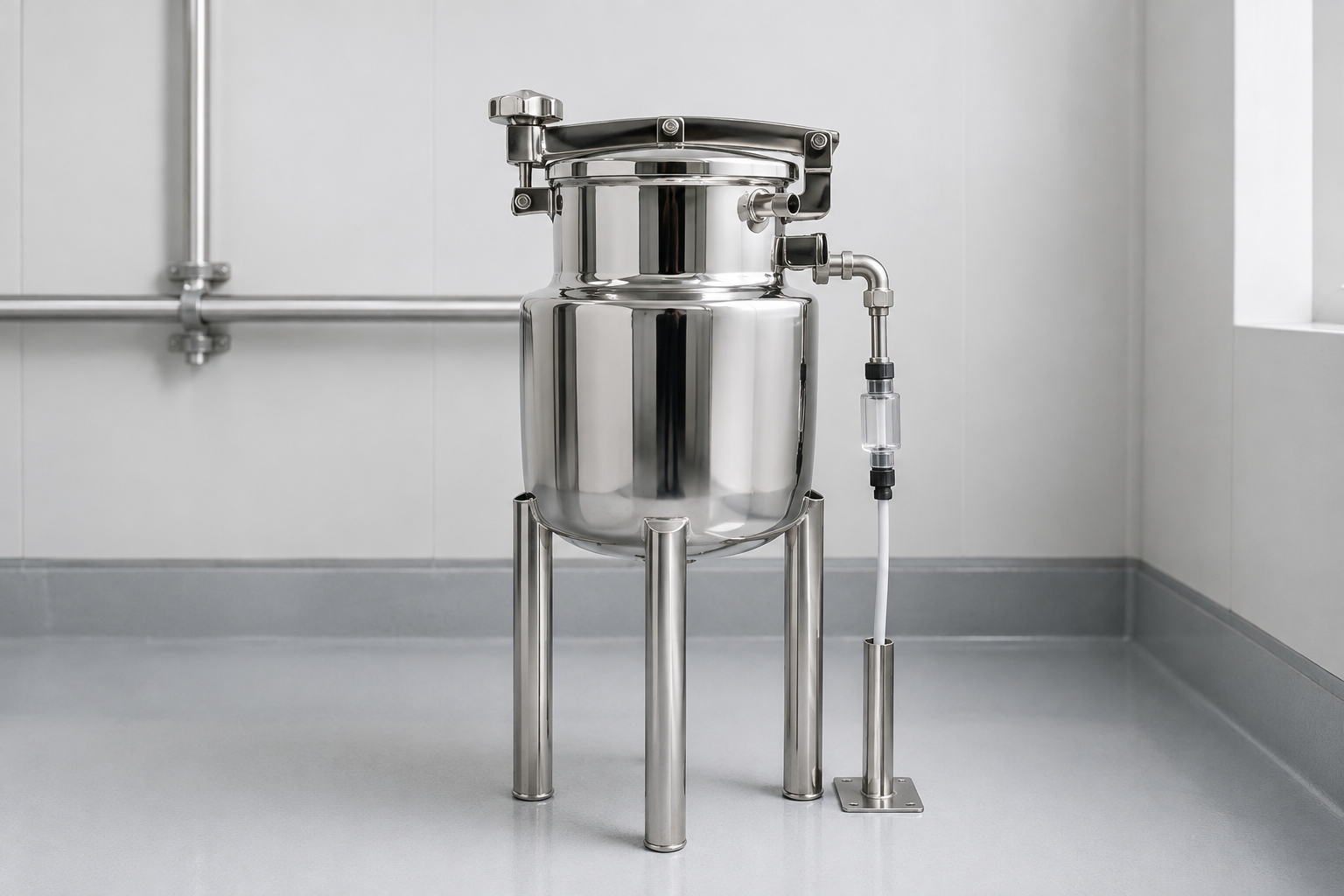
A magnetic stirring reaction vessel is a core process vessel decision for plants that must combine controlled processing with documented materials, utilities, and sanitary design. U.S. industrial buyers should evaluate capacity, construction, agitation or heat transfer interfaces, and supplier documentation before issuing purchase orders—not only catalog dimensions. This guide focuses on practical evaluation steps for U.S. industrial and commercial buyers—measurement, documentation, and lifecycle support—not generic marketing claims. Where equipment selection is involved, cross-check public specifications on yiyizk.com and confirm project-specific limits with your process engineer or supplier. Section checklists can be reused as RFQ attachments and commissioning handover outlines.
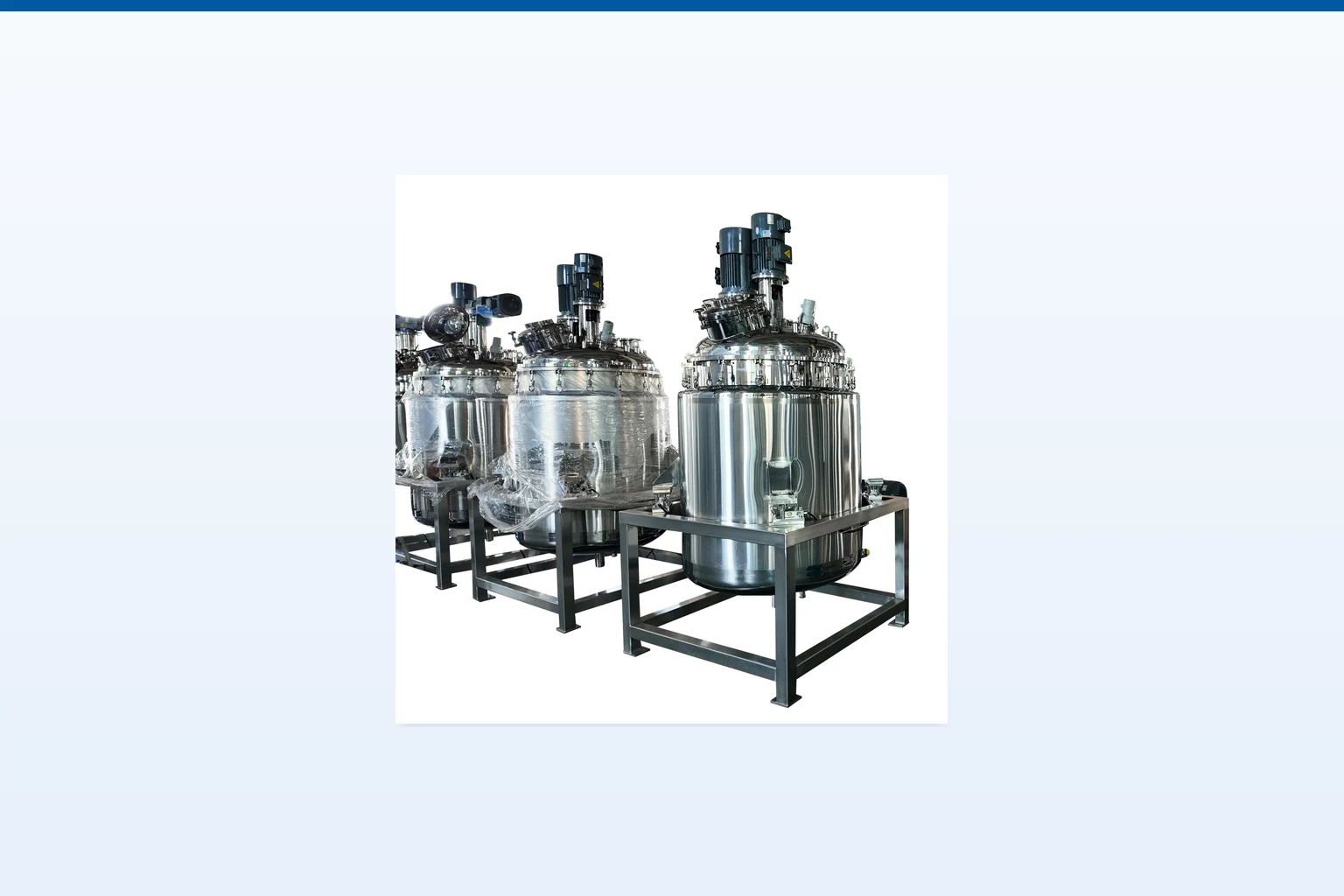
Part 1. What a Magnetic Stirring Reaction Vessel Is Used For
In process plants, a magnetic stirring reaction vessel supports batch or semi-continuous operations where temperature, mixing, hold time, or phase separation must stay within validated limits.
Buyers typically specify the vessel when upgrading a line, adding SKU flexibility, or replacing equipment that no longer meets sanitary, pressure, or automation requirements.
Reaction vessels combine heat transfer, agitation, and often pressure or vacuum capability in one controlled environment for chemical, food, and pharma batches.
Magnetic drive agitation eliminates shaft seals through the vessel wall—useful when product leakage or sterile containment is critical.
Emulsifying configurations require shear rate, turnover time, and temperature limits to be defined together, not as independent catalog options.
Atmospheric and pressure-rated designs follow different code paths; confirm ASME or local jurisdiction requirements before comparing quotations.
Capture nameplate data, nozzle schedules, and utility interconnection limits in the RFQ package to reduce back-and-forth during technical review.
If your batch involves both mixing and thermal control, evaluate agitator duty and jacket capacity together—not as separate catalog picks.
Define acceptance criteria before shipment—temperature uniformity, leak tests, and rotation checks—so commissioning disputes are less likely.
| Application signal | Why this vessel type | RFQ checkpoint |
|---|---|---|
| New product line | Dedicated vessel reduces cross-contamination risk | Confirm CIP/SIP scope |
| Capacity expansion | Right-sized volume improves heat/mix efficiency | Min/nominal/max batch |
| Utility change | Jacket or coil matches available steam/oil/cooling | Utility pressure/temp |
| Audit finding | Documented materials and surface finish | MTR and Ra records |
Part 2. Design Options and Utility Interfaces
Design choices for a magnetic stirring reaction vessel include material grade (304 vs 316L), jacket or coil type, agitator style, nozzle layout, and instrumentation ports. Each affects lead time and price.
Utility interfaces—steam, thermal oil, chilled glycol, or electric heat—must match what is actually available on site, including condensate return and control valve response.
Request nozzle GA drawings early for piping clash checks with mezzanine steel and cable trays.
Jacket or coil selection should match available utilities—steam pressure, thermal oil limits, or chilled glycol delta-T.
Cross-check reaction vessel category and YIYI INTELLIGENT engineering contact for custom port layouts.
Sanitary finishes (Ra values, drain slope, dead-leg minimization) should be agreed before surface polishing begins in the shop.
Capture nameplate data, nozzle schedules, and utility interconnection limits in the RFQ package to reduce back-and-forth during technical review.
If your batch involves both mixing and thermal control, evaluate agitator duty and jacket capacity together—not as separate catalog picks.
Define acceptance criteria before shipment—temperature uniformity, leak tests, and rotation checks—so commissioning disputes are less likely.
| Design element | Typical options | Buyer note |
|---|---|---|
| Wetted material | 304 / 316L stainless | Match CIP chemistry and chloride exposure |
| Heat transfer | Jacket, coil, external exchanger | Define ramp rate and duty |
| Agitation | Anchor, turbine, high-shear, magnetic | Base on viscosity at temp |
| Seals | Mechanical, magnetic drive | Magnetic reduces product leakage path |
Part 3. Sizing, Materials, and Supplier Evaluation
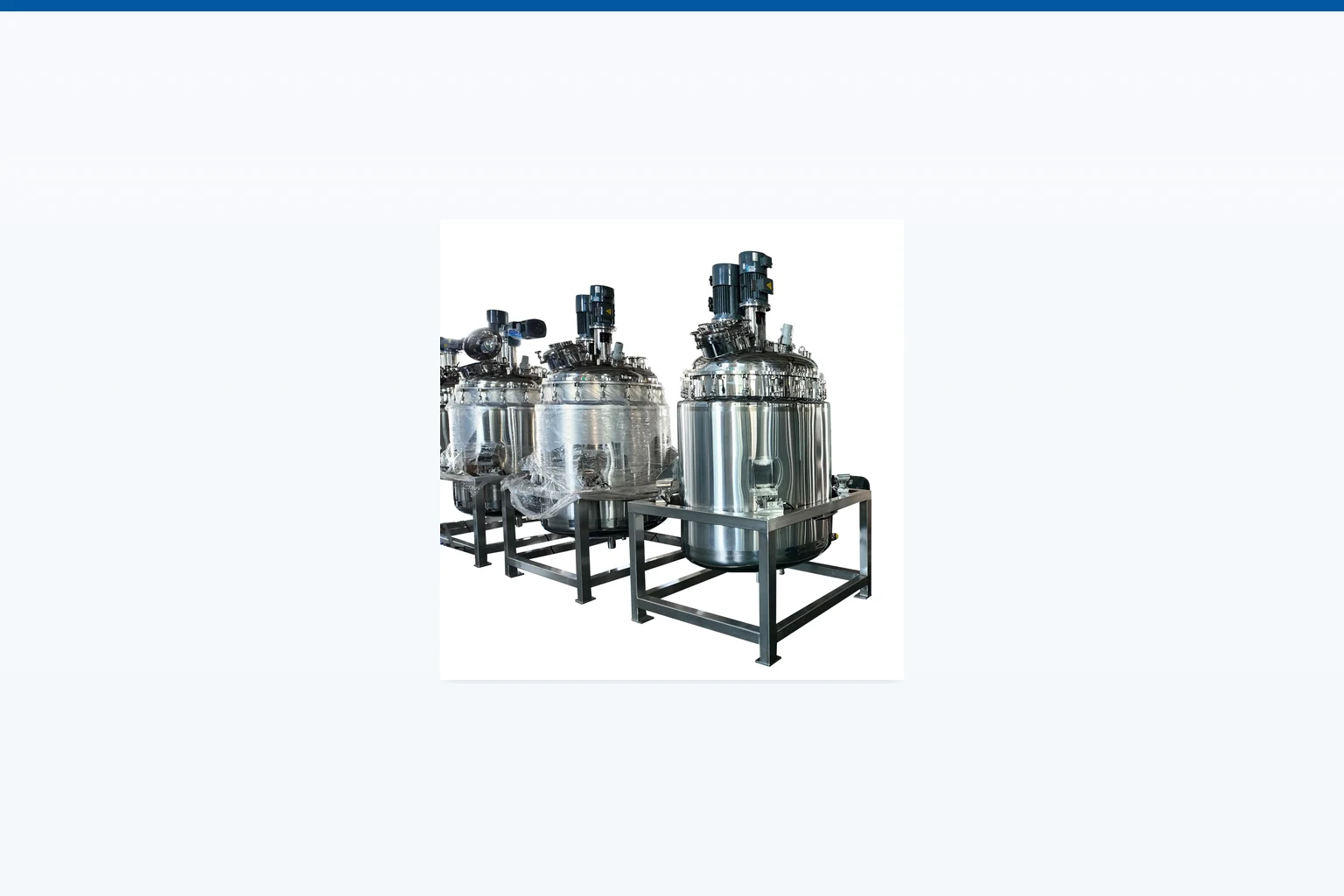
Sizing a magnetic stirring reaction vessel requires working volume, headspace for foam or expansion, agitator power at process conditions, and heat transfer area if temperature control is critical.
Evaluate suppliers on welding QC, surface finish capability, pressure testing, and willingness to provide material certificates—not on headline capacity alone.
Commissioning typically includes rotation direction, seal leak checks, pressure hold tests, and temperature mapping at process loads.
Maintenance plans should cover seal wear, agitator bearings, and relief device testing per applicable code.
Document weld maps, passivation, and hydrotest reports in the equipment dossier for audit trails.
See YIYI INTELLIGENT turnkey services when the scope includes skids beyond a single vessel.
Capture nameplate data, nozzle schedules, and utility interconnection limits in the RFQ package to reduce back-and-forth during technical review.
If your batch involves both mixing and thermal control, evaluate agitator duty and jacket capacity together—not as separate catalog picks.
Define acceptance criteria before shipment—temperature uniformity, leak tests, and rotation checks—so commissioning disputes are less likely.
| Parameter | What to submit | Why it matters |
|---|---|---|
| Batch volume | Liters/gallons min–max | Heat/mix performance |
| Rheology | Viscosity vs temperature | Agitator power |
| Temperature | Min/max hold/setpoint | Jacket/coil area |
| Cleanability | CIP cycle or manual | Sanitary design features |
Part 4. Documentation and Handover Checklist
Industrial acceptance should not rely on visual inspection alone—documentation proves pressure ratings, materials, and maintainability for the next audit cycle.
Use the tables below as a starting RFQ and handover checklist; food, pharma, and chemical projects may require additional sanitary records.
For product-specific datasheets, cross-check related YIYI INTELLIGENT product pages and request any missing hydrotest or surface finish reports.
Align factory acceptance tests with your insurer, AHJ, or internal validation protocol before energizing utilities.
When comparing quotations, normalize Incoterms, installation scope, and included commissioning days before ranking suppliers.
| Document / item | Purpose | When to request |
|---|---|---|
| Material test certificate (3.1) | Verify 304/316L and heat number traceability | Before shipment release |
| Pressure test / hydrotest report | Confirm jacket or vessel pressure rating | Before energization |
| Surface finish record (Ra) | Sanitary qualification for product contact | FAT / sanitary review |
| Agitator power calculation | Validate motor/gearbox at process viscosity | Design approval |
| Nozzle / GA drawing | Layout, piping, and instrument clash check | Before civil/foundation work |
| O&M and spare parts manual | Maintenance planning and seal/bearing lists | Handover package |
| Commissioning step | Acceptance criterion | Owner |
|---|---|---|
| Mechanical completion | Supports, anchors, and utilities connected per drawing | Site / EPC |
| Rotation / agitator direction | No abnormal vibration; seal leak check | Process engineer |
| Jacket leak / pressure test | Hold test at spec pressure; traps functional | Mechanical |
| Temperature mapping | Uniform ramp at min/nominal/max batch volume | Process / QA |
| CIP/SIP cycle (if applicable) | Drainability and spray coverage verified | Sanitary QA |
| As-built dossier | MTR, tests, manuals filed with asset tag | Maintenance |
Part 5. Commissioning, Monitoring, and Long-Term Operations
Commissioning should verify rotation direction, seal leaks, jacket hold tests, and temperature mapping at representative batch volumes—not only visual completion.
Functional tests typically include agitator current draw at process viscosity, utility ramp rates, and interlock response for over-temperature or over-pressure conditions.
Monitoring after startup helps catch bearing wear, seal degradation, or steam trap failures before they cause batch losses.
Train maintenance staff on lockout/tagout, confined entry rules for vessels, and which alarms require immediate shutdown versus scheduled service.
Schedule a post-warranty review to reassess agitator wear and seal life—recipe changes often alter viscosity and thermal duty within two to three years.
Keep a spare-parts list (seals, bearings, agitator blades, gaskets) based on lead time and production impact, not catalog defaults alone.
Recommended YIYI INTELLIGENT Products
For project support, explore our related product line, solution options, and OEM/ODM capabilities on yiyizk.com.
FAQ
What is a magnetic stirring reaction vessel?
A magnetic stirring reaction vessel is a process vessel configured for controlled mixing, heating, cooling, reaction, or hold steps typical in food, chemical, beverage, and pharmaceutical plants.
How is a magnetic stirring reaction vessel sized?
Share minimum, nominal, and maximum batch volume, viscosity at process temperature, and any required heat duty or agitator tip speed assumptions.
Which stainless grade is typical?
304 is common for general sanitary service; 316L is preferred when chlorides, certain acids, or aggressive CIP agents are present.
What utilities must be defined in an RFQ?
State available steam pressure, thermal oil limits, cooling media, electrical supply, and whether CIP/SIP is required.
What tests should be in the handover package?
Material certificates, pressure/leak tests, surface finish records, agitator rotation checks, and O&M manuals are typical.
Can this equipment be customized?
OEM/ODM customization of capacity, nozzle layout, agitation, and instrumentation is common—confirm scope in writing.
How does this relate to turnkey projects?
Vessels may ship alone or as part of a skidded system with piping, controls, and installation support.
References
- ASME Boiler and Pressure Vessel Code (BPVC)
- 3-A Sanitary Standards
- U.S. FDA Food Guidance Documents
- YIYI INTELLIGENT — Reactor
Ready to discuss your project? Contact YIYI INTELLIGENT engineering support with your project parameters and technical requirements.