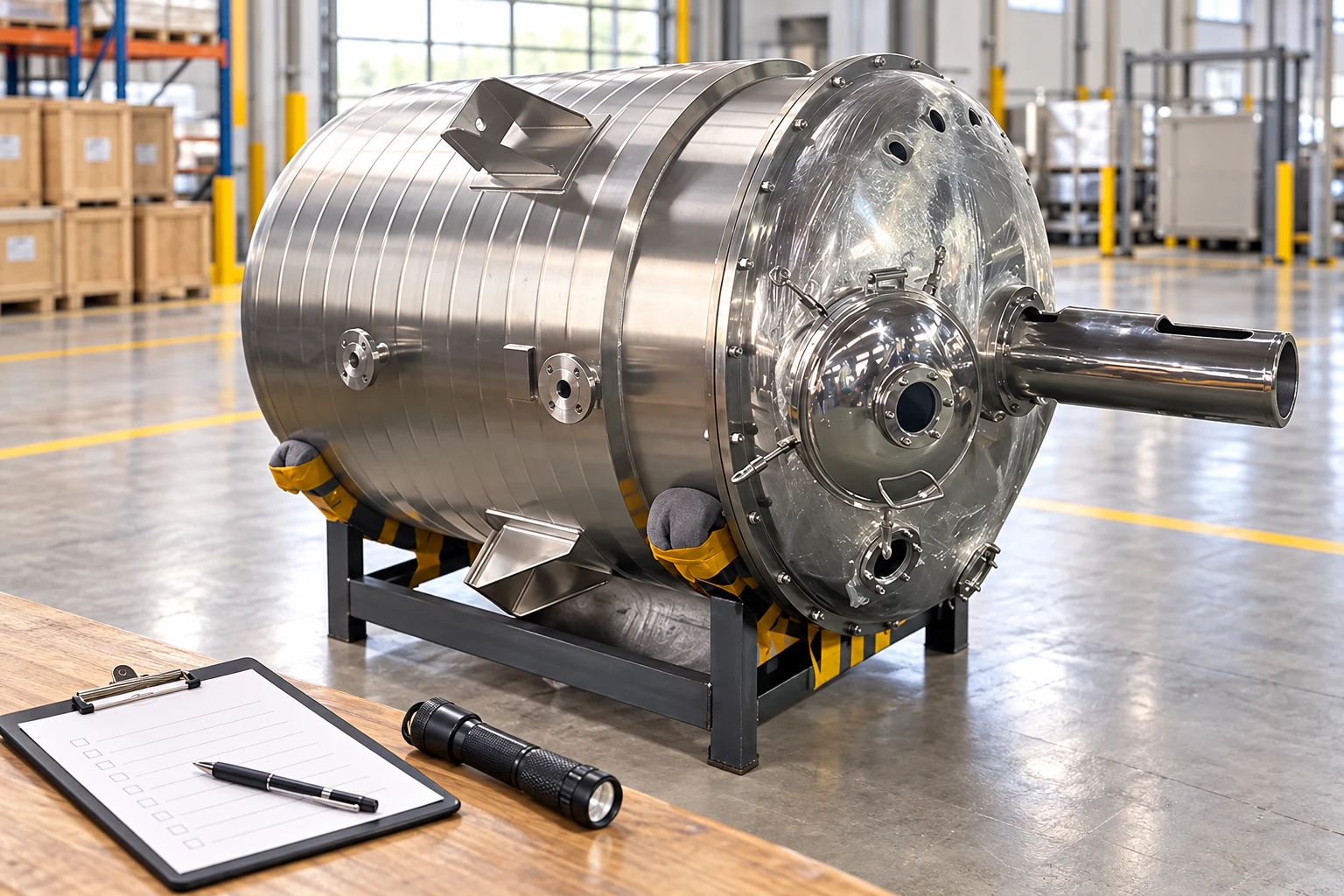
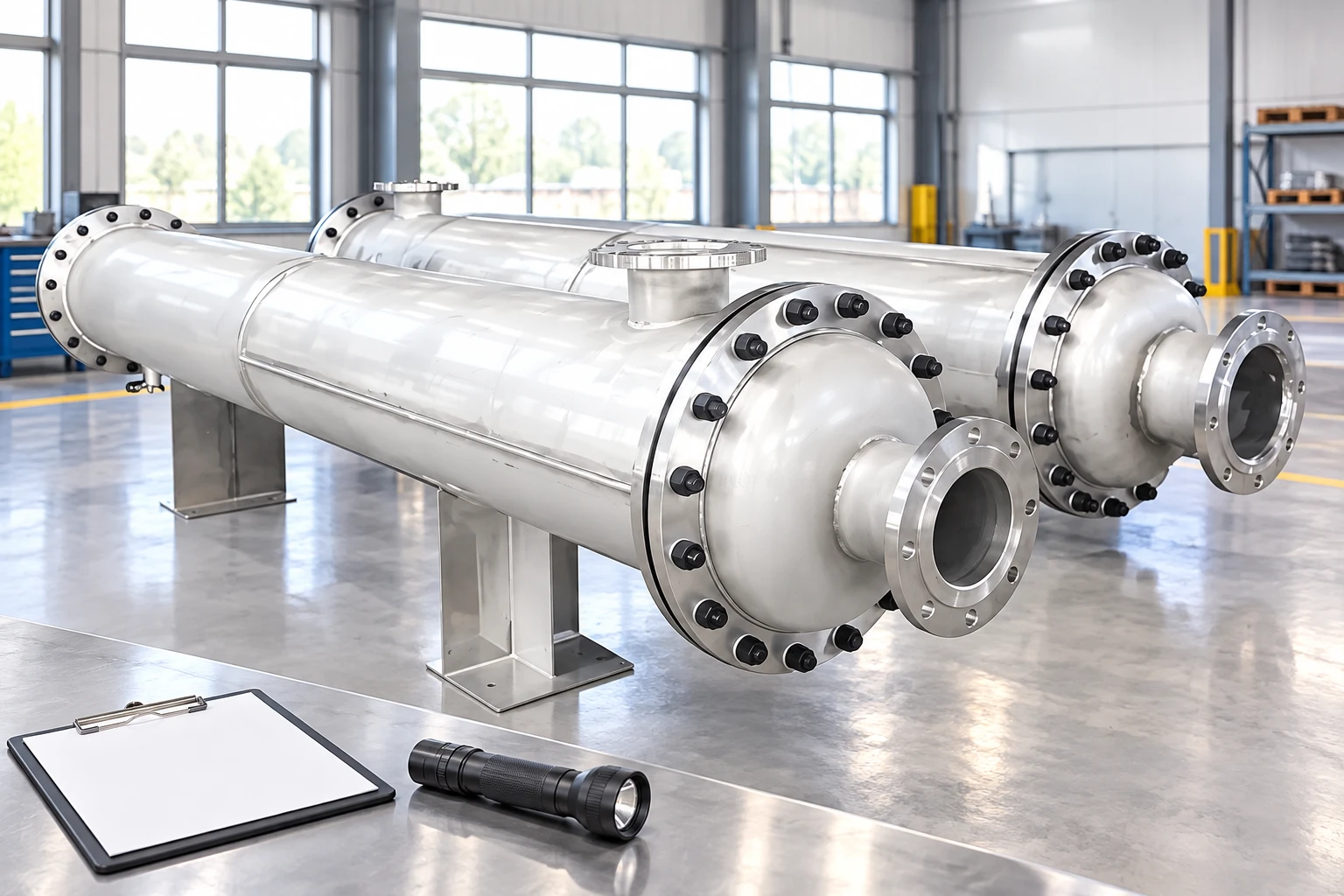
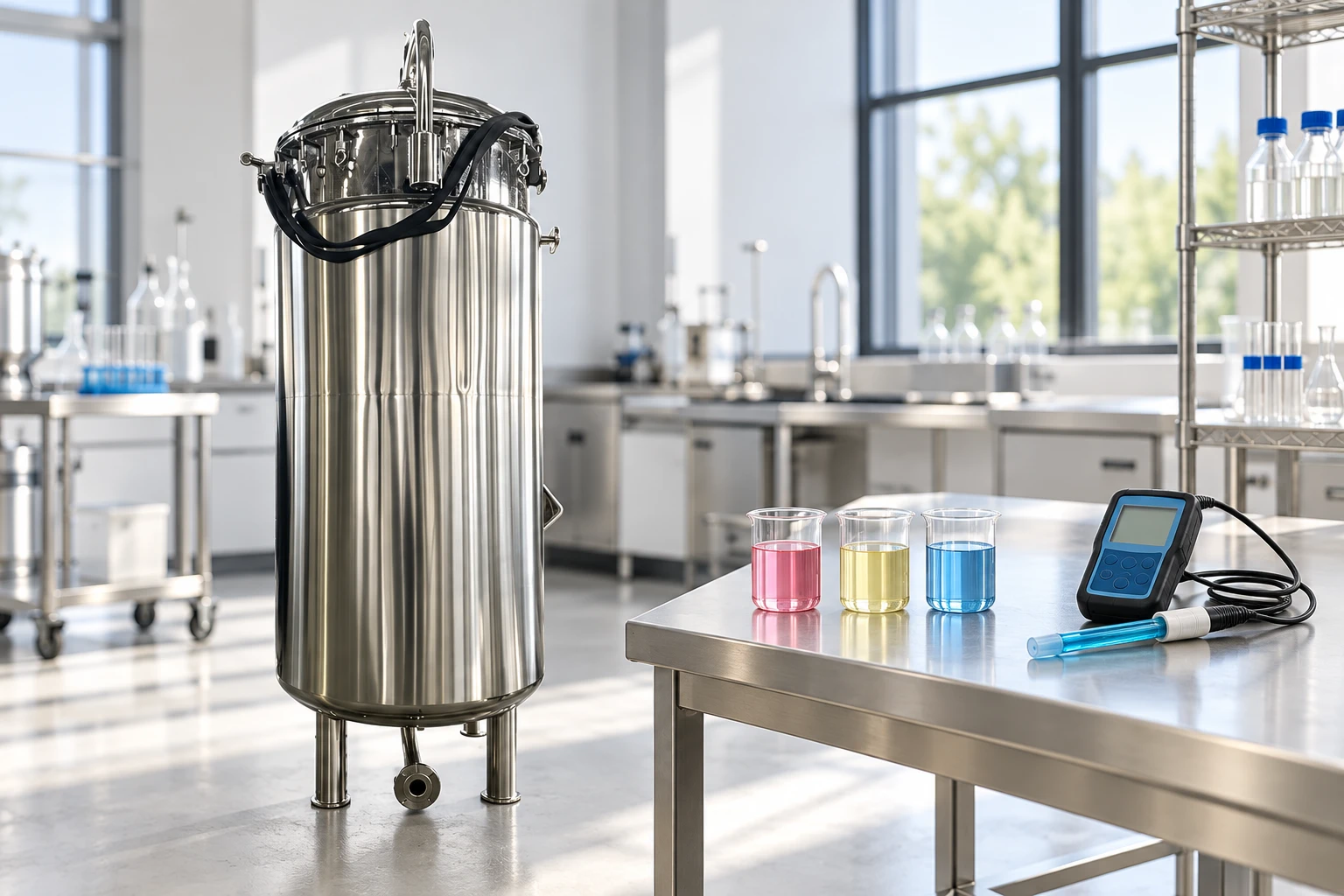
Whether it’s for a home, business, or factory, having an effective means of heating is important now more than ever before. The tank is one of the key elements in a heating system because it provides a consistent source of heated liquid used by many different types of applications. Heating tanks can be used as a primary source for providing hot water to residential properties, while at the same time being used to support major industrial manufacturing processes, making heating tanks practical and highly efficient. In the following article, we will discuss the various types of heating tanks available, how you can use them, and what benefits they provide so that you can determine what type will best suit your specific needs.
What is a Heating Tank?
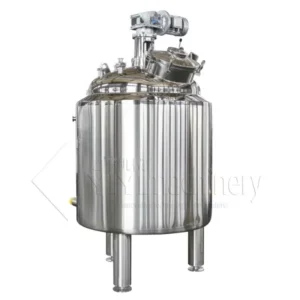
A heating tank, sometimes known as hot water tank or water heater, is a container specifically designed to hold hot water or other fluids. These tanks are insulated, maintaining the heat within them, and keeping the fluid at a set temperature over an extended period of time. Heating tanks may operate independently, using electric or gas, or may be part of a larger heating system such as a boiler. The primary use for heating tanks is to continuously provide heated fluids for many different uses without interruption.
Types of Heating Tanks
Today, there are a variety of different types of heating tanks, with each type of tank serving its purpose. Let’s take a closer look at the most frequently used options for heating tanks:
Storage tanks for heating are the most popular and widely used type of tank heating. Storage tanks allow you to have hot water at your convenience because they store pre-heated water. They are commonly found in residential installations for providing hot and warm water for baths or dishes or washing clothes.
Instantaneous Heating Tanks – this equipment is also known as on-demand or tankless water heating systems. Instantaneous heaters do not store any water so, therefore, they are small in size, energy-efficient and can fit nicely in confined equipment storage areas; therefore, they are ideal for smaller living areas or for applications that require immediate availability of hot water.
Tanks with Indirect Heating – Tanks that use Indirect heating method utilize outside sources to provide warmth (e.g., boilers, heat pumps & solar panels). These tanks have an energy efficiency due to being able to use existing heat sources. Indirect heating tanks are commonly installed in a commercial environment or larger buildings (e.g., multi-family dwelling) systems.
Tanks utilizing electric heating; employ electric heat sources to increase temperature in stored water – an excellent option for homes & workspaces with no gas supply!
Solar Water Heating Systems: As natural, renewable energy systems, solar water heating systems use the sun to provide hot-water heating. They are typically designed to work with a backup heater during cloudy periods of time.
Uses of Heating Tanks
The versatility of heating tanks makes them suitable for various applications:
Heating tanks used to supply hot water for everyday uses such as showering, washing dishes, doing the laundry or operating radiant floor heating systems are found frequently in residential settings.
The heating tank provides hot water to restaurants, gyms, spas, laundromats or any other commercial establishment on a daily basis. Hospitality-related businesses particularly experience high demand for continual hot water supply to keep guests comfortable.
The application of heating tanks within industrial process are often paramount. The processes for chemical manufacturing, food manufacturing and energy production are dependent on having controlled temperatures as well as having efficient heating.
Specialty Use: Specialized heating tanks (also known as heaters) are often used in swimming pools and spas to help keep the water at a desired temperature for comfort and relaxing enjoyment.
Advantages of Heating Tanks
There are several reasons why installing a heating tank is a wise investment:
Energy Efficiency: The latest heating tanks are designed with superior insulation and temperature control to minimize energy loss, thereby reducing your utility bills for many years to come.
Having a water heater tank means having an ongoing supply of hot tap water available for any number of reasons from home renovations all the way to running your dishwasher.
Customizable Options: There are also many options for heating tanks that allow you to customize your heating, budget, and space.
High-Quality Heating Tanks: Expected Life Span and Durability
Durable Heating Tanks: Properly maintained, high-quality heating tanks will provide reliable performance for many years because they are designed to withstand high pressure (up to 15 psi) and extreme temperature (up to 500°F) operating conditions.
Environmentally Safe Alternative Products: Solar-powered and energy efficient heat storage systems can help lower their overall environmental footprint while providing good product performance.
FAQ
What is a heating tank?
In different types of buildings (residential, commercial, & industrial), a heating tank is basically any container that holds hot water (or subject fluids that have been heated) for longer durations than the time it takes to heat them. A heating tank can work independently or in conjunction with another heating system like steam boilers.
What are the uses of a heating tank?
Heating tanks provide domestic hot water for bathing, washing, and heating. They also serve a vital function as part of chemical processing and energy generation in industrial applications.
What are the advantages of a heating tank?
Using heating tanks can provide various benefits including energy efficiency, continuous supply of hot water, versatile applications, long service life, and environmentally friendly alternatives such as solar heating systems.
The most important thing to remember is that a heating tank can give your life greater convenience and comfort if you have the proper size and type for your needs. In addition, understanding what types of heating tank are available, how they work, and their main advantages will enable you to select the appropriate heating tank to meet the demands of your home, business, or industry. Finally, investing in the right heating tank will improve your energy efficiency, reduce your costs, and provide you with a long-term and dependable solution for your heating needs.