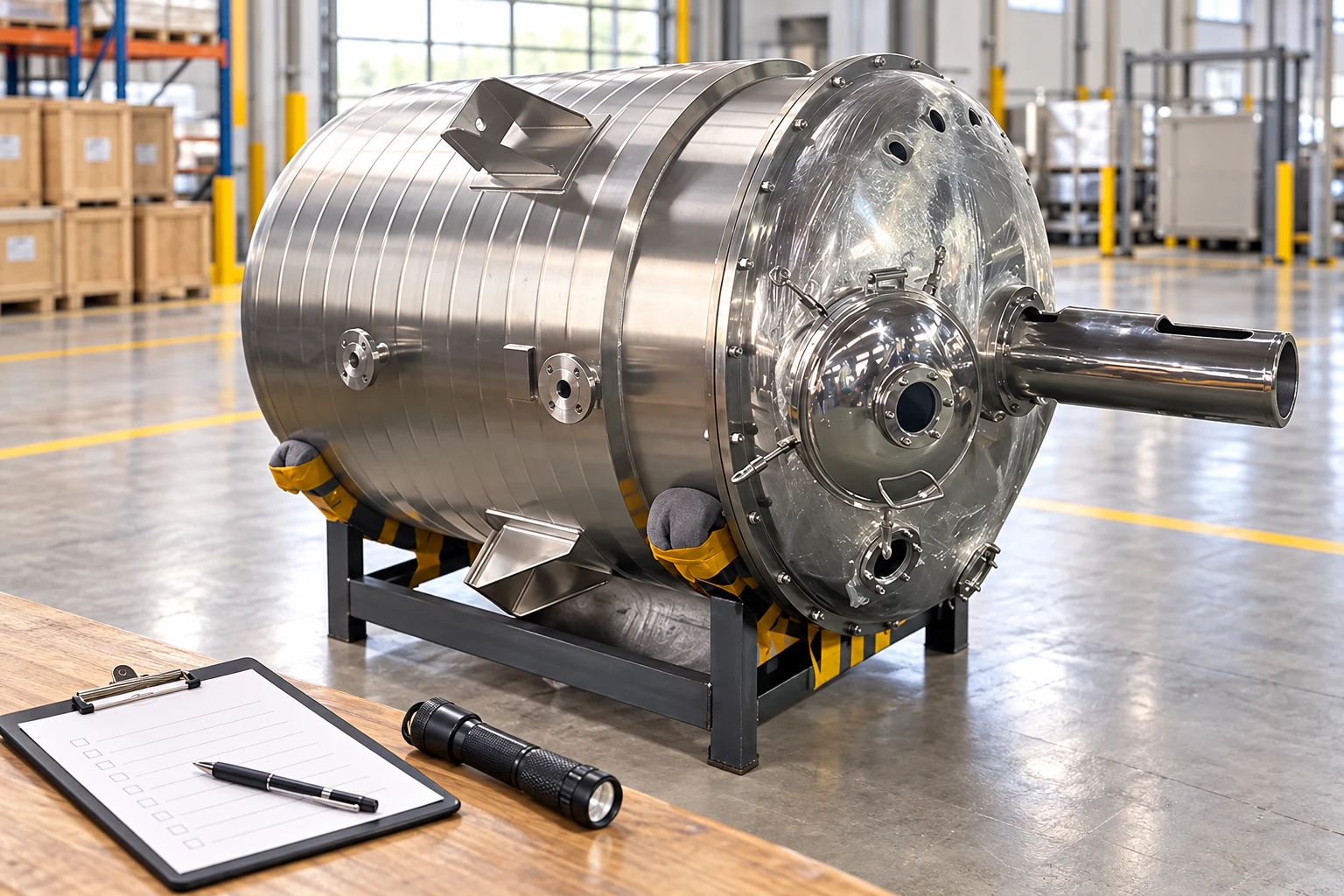
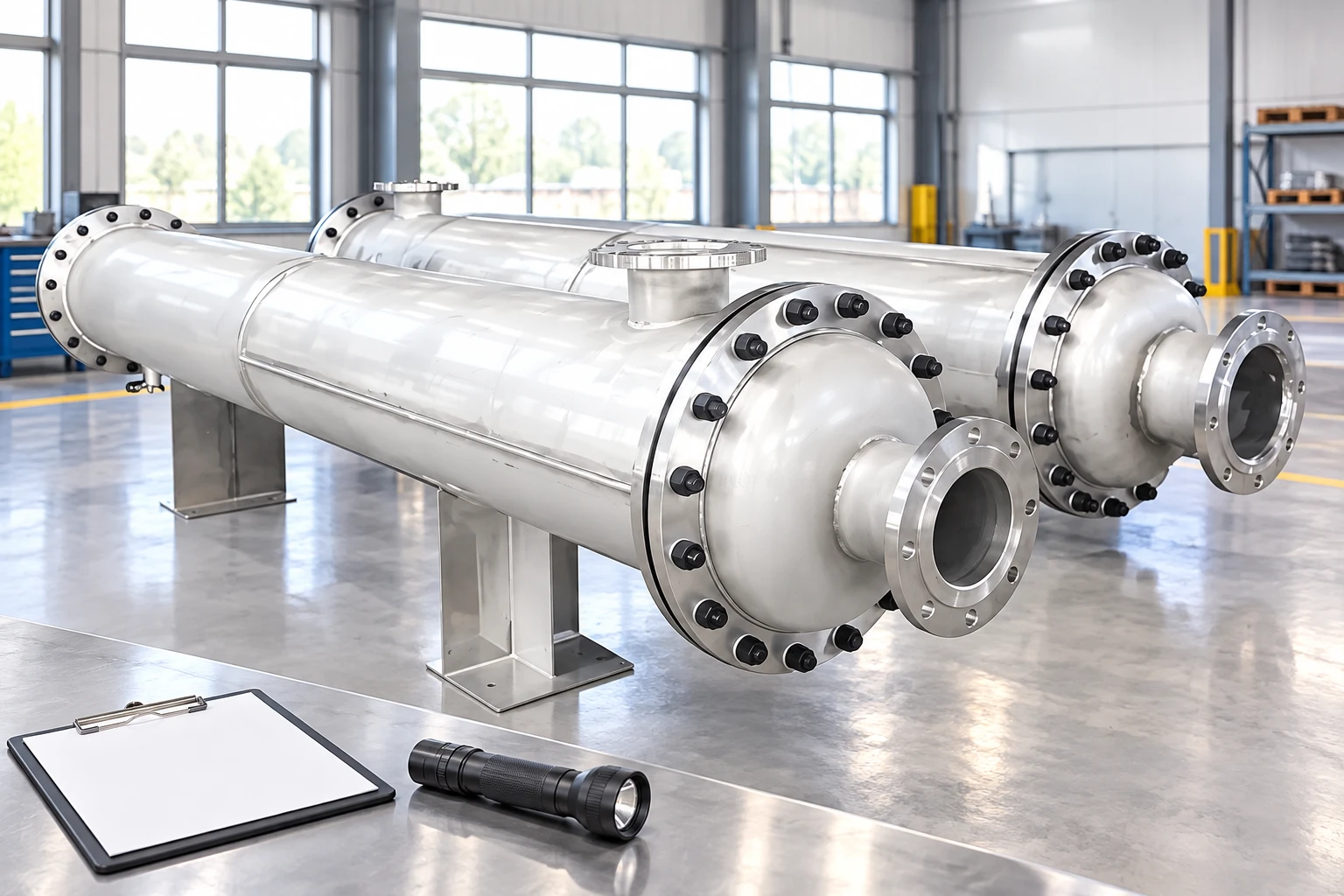
Stainless steel heat exchangers are engineered devices utilized to transfer heat efficiently from one fluid (or material) to another using the thermal conductivity of stainless steel. They are used in numerous industries, including but not limited to: power generation, chemical processing, and HVAC (heating, ventilation, and air conditioning). Heat exchangers reduce energy consumption and provide greater operational efficiency within respective systems.
What is the Function of a Stainless Steel Heat Exchanger?
A stainless steel heat exchanger enables heat to be transferred from one liquid to another while making certain the two liquids never mix together. In most cases, one fluid gets heated, as the other fluid gets cooled; thus, heat can be recovered from processes that otherwise would have wasted energy. The ability to do this is critical in the Oil & Gas, Pharmaceutical, food and beverage industries and Water Treatment where it is essential that optimal temperature levels are maintained in order to achieve the most efficient use of processing equipment and to deliver the highest quality end product possible.
Types of Stainless Steel Heat Exchangers
There are various forms of stainless steel heat exchangers available today, each engineered for unique application and efficiency requirements.
1. Plate Heat Exchanger: They consist of a collection of thin metal plates stacked together so that there is a large area for heat transfer. Their compactness makes them ideal for many types of industrial processes.
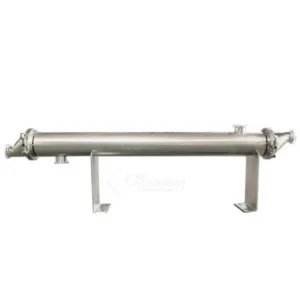
2.Shell and Tube Heat Exchangers: This type consists of an assembly of pipes with one group transporting the hot liquid and another transporting cold liquids. These units are well-known for their reliability and ability to withstand harsh operating conditions, making them the preferred choice for many industrial applications.
3. Air Cooled Heat Exchangers: Rather than using water as a means to cool liquids in heat exchange equipment, these systems utilize air to remove excess heat from fluids. Typically, air-cooled heat exchangers will be utilized when water resources are limited or too costly.
4. Double-pipe Heat Exchangers: A double-pipe heat exchanger consists of one pipe located inside a second pipe due to its simplicity and efficiency, making it ideal for applications with limited space.
Advantages of Stainless Steel Heat Exchangers
Employing a stainless steel heat exchanger comes with numerous advantages:
1. Stainless Steel Heat Exchangers Are Naturally Corrosion Resistant: Because stainless steel is resistant to corrosion, it is ideal for applications involving corrosive chemicals.
2.The long-lasting and low-maintenance characteristics of stainless steel guarantee that heat exchangers made from this material will be considered a reasonable alternative over time due to their economical nature.
3.High Thermal Conductivity: Because of the superior thermal properties of stainless steel, heat can be conducted very efficiently within it, leading to very efficient systems.
4. Versatility: Stainless steel heat exchangers are versatile and can be used for many different applications, such as in the food processing and petrochemical industries. As such, they are capable of operating effectively in a variety of industries.
Conclusion
To summarize, the stainless steel heat exchanger is an important part of many types of industrial applications and provides efficient heat transfer solutions with a number of advantages, including resistance to corrosion, long life and high levels of thermal efficiency. These types of heat exchangers can be found in many forms, including plate, shell-and-tube and other designs, and their function is very important to optimize energy consumption, improve system performance and reduce costs. Learning how they work and what type will meet your needs can help you find the right stainless steel heat exchanger for your application.