

A storage tank maintenance contractor handover scope should identify the equipment and work boundary, the condition being handed over, the responsibilities that remain with each party and the evidence required before control returns to operations. A signature beside job complete is not enough when work is partial, equipment remains isolated or another team still has an open task. Agree the handover process before mobilization and keep the status clear throughout the job, including shift changes and subcontractor interfaces.
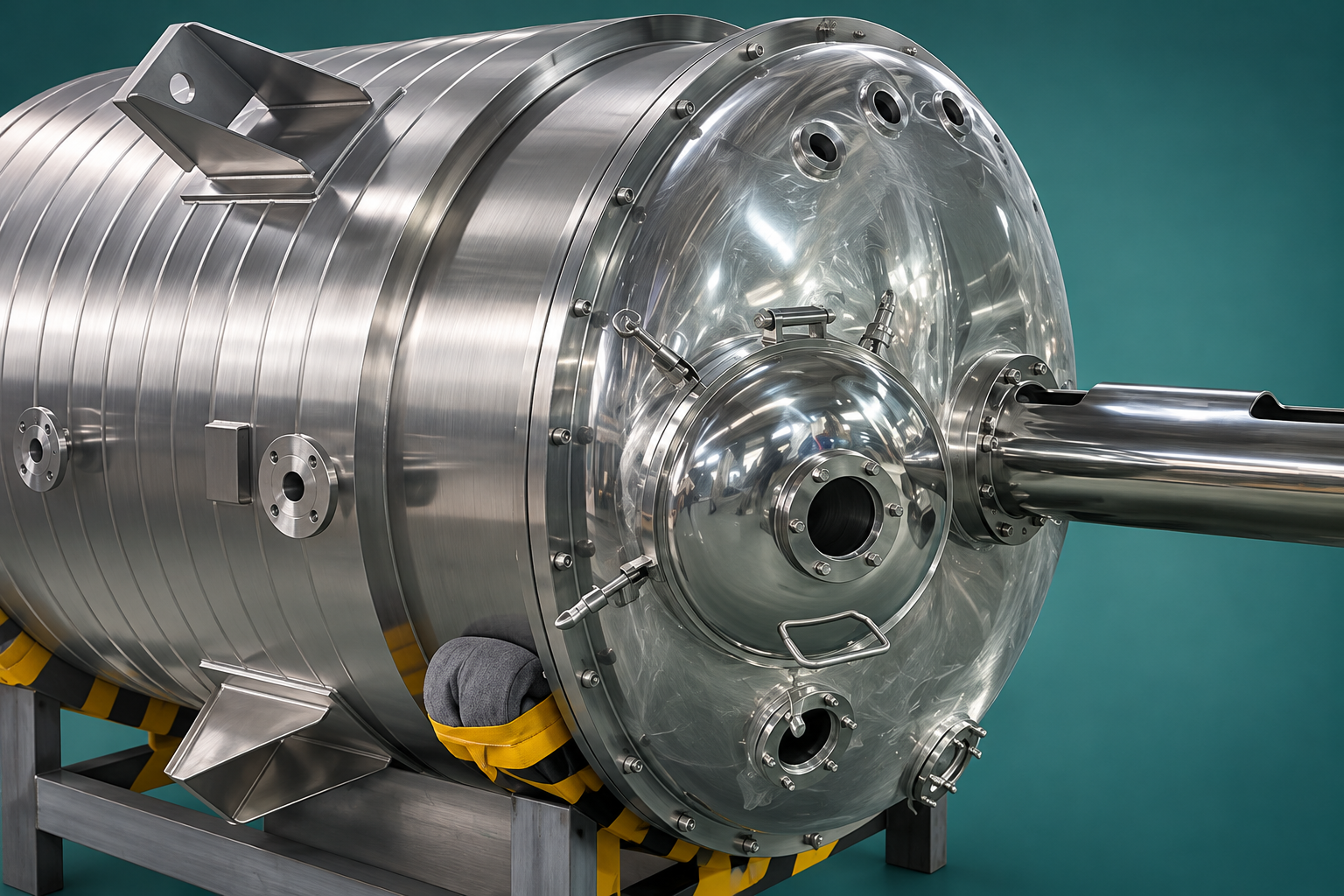
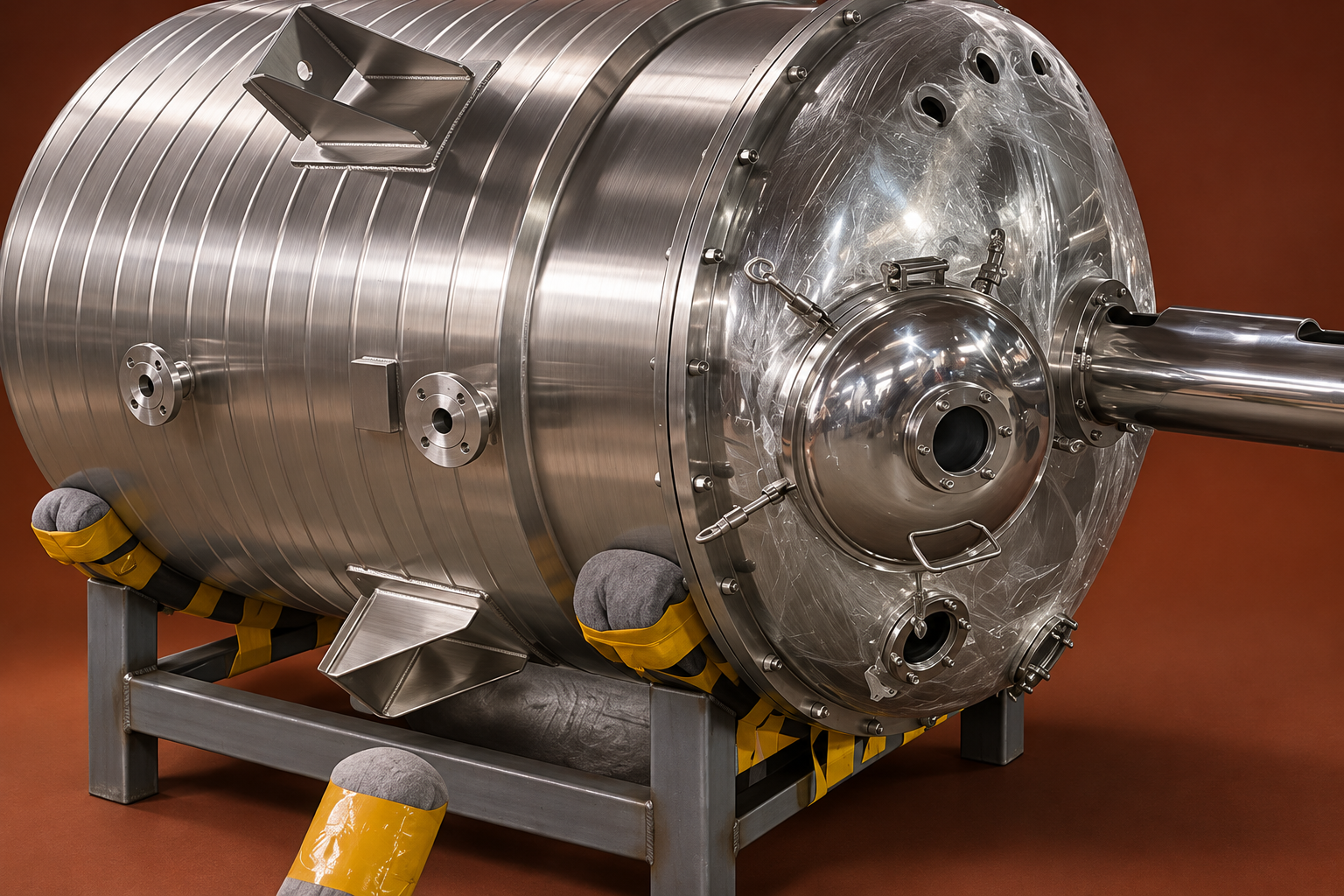
Сайт tank product example provides product context. A product photograph does not establish the installed contents, isolation points, entry conditions or lifting arrangements. This guide is a documentation and coordination framework; the actual work requires the site’s approved procedures and competent assessment.
Define the handover event rather than one final form
There are several transfers to consider: operations releases a defined work area, a contractor accepts the agreed task conditions, work passes between teams, and the owner receives the equipment back. These events may happen at different times and involve different authority. State which handover a document records so a work-area acceptance cannot be mistaken for permission to restart the tank.
Describe the task in terms that can be checked. Identify the tank tag and connected systems relevant to the work, the included components and the explicit exclusions. Attach the agreed work scope and current drawing references. If the contractor is inspecting only an external support, do not allow a general tank maintenance title to imply that internal condition or process readiness was assessed.
Name the people who hold each responsibility
Identify the owner’s operations contact, maintenance coordinator, contractor supervisor and the people authorized to accept technical records or operational hand-back. A commercial contact may approve an invoice without having authority to release equipment. Put the relevant roles and escalation route in the work package and make sure substitute personnel are briefed if the named people change.
Эт HSENI guidance on managing maintenance contractors emphasizes coordination and communication between the parties. It is Northern Ireland safety guidance, not a contractual allocation of all responsibilities for every site. The project needs its own clear arrangements consistent with the applicable law and work controls.
Record the starting condition with useful evidence
Before work begins, record the accessible condition relevant to the task and any known damage, restrictions or unresolved discrepancy. Photographs should identify the equipment and location, not just show an anonymous close-up. Explain what was observed and what was not inspected. A condition record helps separate pre-existing issues from work observations without pretending to establish hidden integrity.
Document the equipment status under the approved handover procedure. Avoid broad phrases such as empty and safe unless their meaning and supporting verification are defined. A tank can be drained yet retain residues, pressure, heat or other hazards. The contractor should receive the specific information required for the planned task and should know how to raise a concern before proceeding.
Keep work authorization linked to the actual boundary
A handover record should reference the applicable permits, isolation records and other authorizations without replacing them. Identify their scope, status and ownership in the site’s established system. If another team changes a connected system, the work boundary may need reassessment. A contractor should not rely on a copied document whose validity for the current task has not been confirmed.
For work that could involve entry or special hazards, apply the relevant dedicated process. This article does not describe tank entry, gas testing, isolation design or de-isolation steps. The related chemical storage tank safety guide provides broader context, while the particular job still needs its own equipment-specific planning and authorization.
Use a handover scope and evidence table
The following original table helps organize the discussion between the owner and contractor. It is not a permit, isolation certificate or universal legal checklist.
| Handover element | Record to make available | Issue that must remain visible |
|---|---|---|
| Equipment and work boundary | Tank tag, scope, drawings and exclusions | Ambiguous connection or component responsibility |
| Исходное состояние | Relevant observations and condition photographs | Uninspected areas or pre-existing damage |
| Work controls | References to valid site authorizations and their owners | Changed conditions or expired authorization |
| Progress between teams | Completed work, open tasks and current equipment state | Work assumed complete without supporting evidence |
| Technical close-out | Inspection, repair, replacement and test records as applicable | Missing report, unresolved defect or unapproved deviation |
| Operational hand-back | Formal acceptance route and outstanding restrictions | Equipment not yet authorized for its intended service |
Give unresolved items an owner and a decision route. Where an item is outside the contractor’s scope, state who will address it. Marking not included is a commercial statement; it does not remove the issue from the owner’s overall return-to-service decision.
Manage shift changes as an active exchange
A contractor’s shift report should distinguish completed work, work in progress, temporary arrangements and outstanding hazards relevant to the next team. The incoming team should have time to ask questions and cross-check the information it needs. A folder of documents without a meaningful exchange can leave the most important change unnoticed.
Эт HSE shift handover guidance describes preparation, exchange and cross-checking as key parts of effective handover. Apply that communication principle to the site’s own procedure. It does not mean that every shift change transfers operational authority or cancels the controls already in force.
Control changes and unexpected findings during the job
Define what the contractor should do when the actual condition differs from the inquiry information or an additional defect is found. The useful record states the observation, affected equipment, immediate work status and requested decision. Avoid an informal agreement that expands the job while leaving the approved method, parts or acceptance criteria unchanged.
Separate a commercial variation from technical approval and work authorization. A buyer may approve additional cost while engineering still needs to review a repair proposal. Keep those decisions linked but identifiable. If the scope changes, update the handover information that the next team will receive so it reflects the actual work rather than the original plan alone.
Reconcile parts, temporary items and documentation
At close-out, identify what was removed, replaced, retained or left for later work. Record installed replacement identities and the applicable approval references. Account for owner-supplied components and any returned items so unused spares are not confused with rejected or removed parts. This is particularly useful where multiple contractors work around similar tanks during the same shutdown.
Temporary arrangements also need explicit status. State which temporary items have been removed and which remain under an approved plan. Do not rely on a photograph to prove that every temporary connection or tool has been cleared. The responsible site process should determine the necessary physical checks and how their results are recorded.
Make incomplete work impossible to overlook
A contractor can finish the contracted task while the tank still has an unresolved condition outside that task. The close-out record should state the completed scope and list outstanding items with their effect on subsequent work or operation. Avoid using a general completion stamp to conceal partial coverage, inaccessible areas or tests that were not performed.
Where restricted use is proposed, the authorized owner must define and accept it through the appropriate engineering and operational process. The contractor’s report should provide the evidence and limitations needed for that decision. It should not invent an operating limit or imply that an unresolved defect is acceptable because it has been entered on a list.
Use maintenance safety education as supporting material
The following video from the U.S. Agricultural Safety and Health Centers introduces hazardous energy control. It is relevant to coordination around maintenance work and helps explain why completion records and equipment state must agree. It does not provide a storage tank isolation procedure or authorize a particular hand-back sequence.
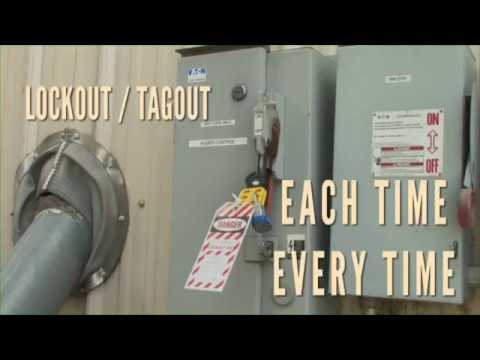
Центры по безопасности и здоровью сельского хозяйства США: Контроль опасных источников энергии при блокировке и маркировке (Lockout/Tagout).
Эт storage tank decommissioning and changeover guide is related reading for a broader service transition. The handover package should make clear whether the current event is maintenance completion, preparation for another contractor or acceptance for operational review. Those distinctions prevent a valid record from being used for a different decision.
Put close-out deliverables in the original contract
Specify the expected report contents, document format, required references, review responsibilities and timing before the contractor starts. Ask for draft technical queries early enough to resolve them before the outage. If a specialist report will arrive later, define what remains open and who can accept the interim status; do not assume that a delayed report is merely an administrative issue.
The next practical step is a joint scope review using the actual tank identity, work package and authority matrix. Bring operations, maintenance and the contractor together to resolve the boundary and close-out questions. For related equipment record structure, see the контрольный список передачи оборудования после технического обслуживания смесительного резервуара, while preserving the tank-specific hazards, scope and responsibilities of this job.
ЧаВо
Does a contractor completion signature authorize restarting the tank?
Not by itself. It records the statement and scope defined by that document. Return to service requires the owner’s applicable technical acceptance, equipment checks and operational authorization, including resolution of any remaining restrictions.
What should be recorded when the maintenance scope is only partly complete?
Identify the work completed, the unfinished tasks, the actual equipment state and the effect of open items on the next activity. Give each unresolved item an owner and keep it visible in the handover rather than using a general completion label.
When should handover requirements be agreed?
Agree them during scope and contract planning, then confirm them before work starts. Update the information when the work boundary, personnel, equipment condition or planned deliverables change, and communicate the current status to each incoming team.


