Heat exchanger retubing vs replacement is a decision about the condition and future duty of the whole pressure assembly, not simply the number of leaking tubes. Retubing may be a credible option when the remaining components are suitable, the damage mechanism is understood and the proposed work can meet the required design and inspection basis. Replacement deserves serious consideration when deterioration extends beyond the tubes, duty has changed or repair access and uncertainty undermine the benefit. Begin with an inspection dossier and a defined operating requirement before comparing prices or outage duration.
Define what the exchanger must do after the work
Write down the future process duty before asking for competing proposals. Include the fluids on both sides, operating and design conditions, expected flow range, allowable pressure drop, cleaning needs and contamination consequences. Distinguish a return to the original duty from a proposed increase in production or a change in chemistry. A repair quotation based on the former cannot automatically support the latter.
Preserve the original drawings, identification and available fabrication records. If those records are incomplete, disclose the gap rather than filling it with assumed tube material or wall thickness. An apparent match in external dimensions does not establish that a replacement tube or assembly has the correct specification. The engineering review needs the actual design basis and an explicit plan for any missing information.
Эт shell-and-tube selection guide explains configuration choices. This article addresses the later decision between restoring an existing asset and obtaining a new one.
Distinguish fouling from pressure-boundary deterioration
Reduced heat transfer can arise from changed flow, changed inlet conditions, fouling or damage. A single poor outlet temperature does not prove that tubes require replacement. Compare measurements on a consistent basis and review instrument condition before assigning a mechanism. The performance-monitoring guide covers the operating evidence that supports this diagnosis.
Leakage creates a different concern, especially when one fluid can contaminate another. Preserve operating history, sample results and the circumstances of discovery. Qualified personnel should define isolation, inspection and testing. Do not continue operating merely because the leak seems small or a production temperature can still be maintained. The consequence of a pressure-boundary defect depends on the service and requires the facility’s responsible review.
Build a condition dossier for more than the tubes
Ask the inspection specialist to identify which components and damage mechanisms were assessed, the coverage achieved and the limitations of the method. Relevant components can include tubes, tubesheets, shell, channel heads, flanges, supports and connections. A report describing only accessible tubes may leave other important conditions unresolved. Inspection coverage should follow the equipment and service, rather than a generic checklist alone.
Tube-to-tubesheet joints and tubesheet condition matter to a retubing proposal. The repairer should explain the proposed joining method and its compatibility with the original design. Do not infer that replacing the tube material automatically resolves a damaged joint region or a degraded tubesheet. Any claimed remaining service life needs a competent technical basis; a supplier’s commercial warranty is a different document.
Identify the damage mechanism before choosing a remedy
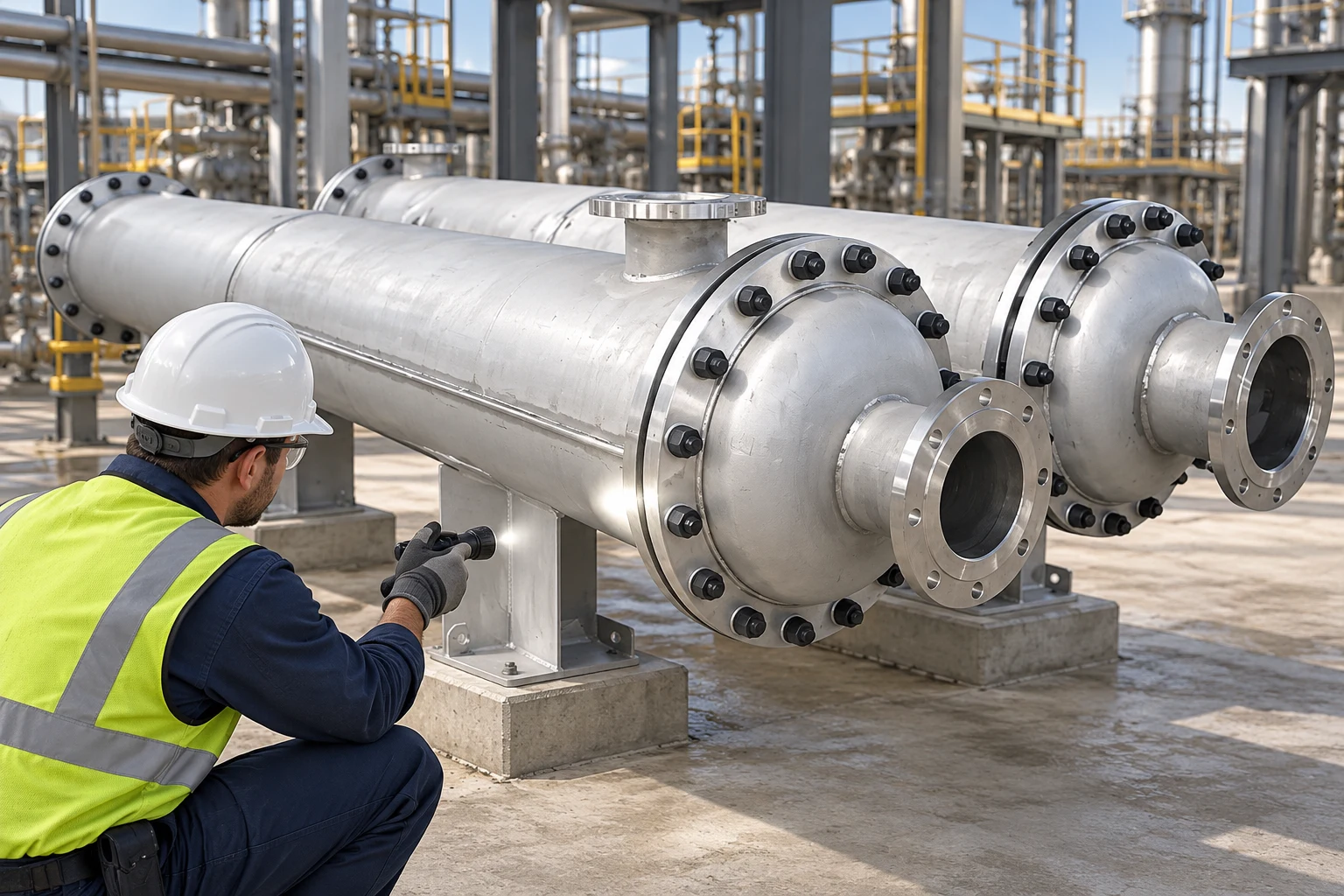
A repeated failure at a similar location suggests that simply fitting new tubes may reproduce the original problem. Review potential contributions from corrosion, erosion, vibration, thermal cycling, process deposits and operating excursions with the responsible specialists. The purpose is to establish the evidence needed to distinguish mechanisms, not to diagnose every failure from one photograph.
Retain removed samples where the investigation requires them and preserve their location identities. A tube piece without a known position or orientation may lose much of its diagnostic value. Link laboratory findings and inspection results to the operating history. If the mechanism remains uncertain, include that uncertainty explicitly in the comparison of repair and replacement rather than presenting either option as guaranteed prevention.
Compare options on the same scope
A low repair price may exclude cleaning, removal, lifting, testing, transport or restart support. A replacement quotation may exclude pipe modifications, foundations, controls and disposal. Make both scopes comparable before discussing savings. Estimate the production impact using the site’s actual constraints and agreed assumptions; do not borrow a universal percentage saving or remaining-life figure from marketing literature.
| Вопрос о принятии решения | Retubing proposal should explain | Replacement proposal should explain |
|---|---|---|
| Remaining pressure components | Condition evidence and unresolved limits | Design and documentation for the new assembly |
| Failure mechanism | How recurrence will be addressed | How new selection responds to the mechanism |
| Future duty | Compatibility with the retained equipment | Performance basis across the required range |
| Site work | Removal access, repair boundaries and reinstatement | Interfaces, footprint and installation changes |
| Принятие | Repair inspection, tests and records | Fabrication inspection, tests and records |
| Commercial uncertainty | Exclusions and discoveries that change scope | Lead time, site exclusions and commissioning support |
The table is a decision framework, not a rule that either option is inherently safer or more economical. Unresolved inspection findings can change the conclusion after an initial quotation.
Check whether access makes the proposal feasible
Bundle arrangement influences removal and service access. A fixed-tubesheet exchanger is not interchangeable with a removable-bundle arrangement merely because both contain straight tubes. Review the actual drawing, construction and proposed work method. An exterior product photograph cannot prove tube removability or show the condition of inaccessible components.
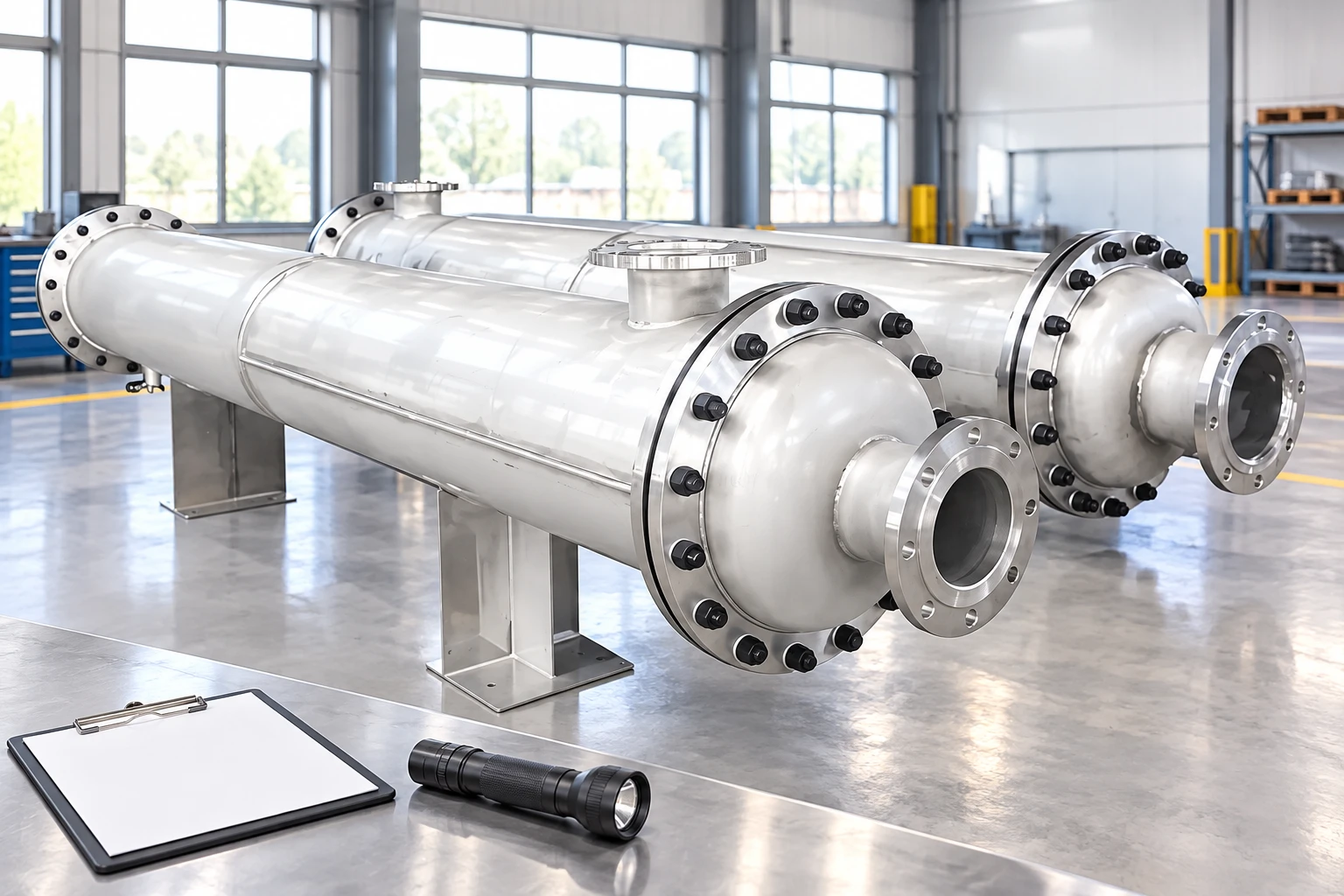
Эт fixed-tubesheet product reference illustrates the equipment family, without asserting that YIYI offers a particular repair procedure or that this example requires repair. For comparisons involving removable bundles, consult the fixed versus floating-head guide and verify the exact configuration with the supplier.
Treat material changes as engineering changes
An alternative tube material can affect more than corrosion resistance. Review compatibility with the fluids, retained components, joint method, temperature range and thermal behavior. A material that performs well in one service may be inappropriate for another. Include cleaning chemicals and credible process deviations in the review, rather than evaluating only the nominal operating fluid.
A proposed increase in thickness or change in tube dimensions can also influence thermal and hydraulic performance. Require the designer to assess the modified configuration instead of assuming that a stronger-looking tube leaves the duty unchanged. Record who approves the design change, who evaluates regulatory implications and which documents must be revised before the exchanger returns to service.
Establish the repair and examination responsibilities
Pressure-equipment obligations depend on jurisdiction and service. In the United Kingdom, Руководство по системам давления в системах HSE provides the applicable regulatory context. The HSE safety-of-pressure-systems guidance discusses repair and modification responsibilities. These references do not certify a proposed job or replace the rules applicable at another location.
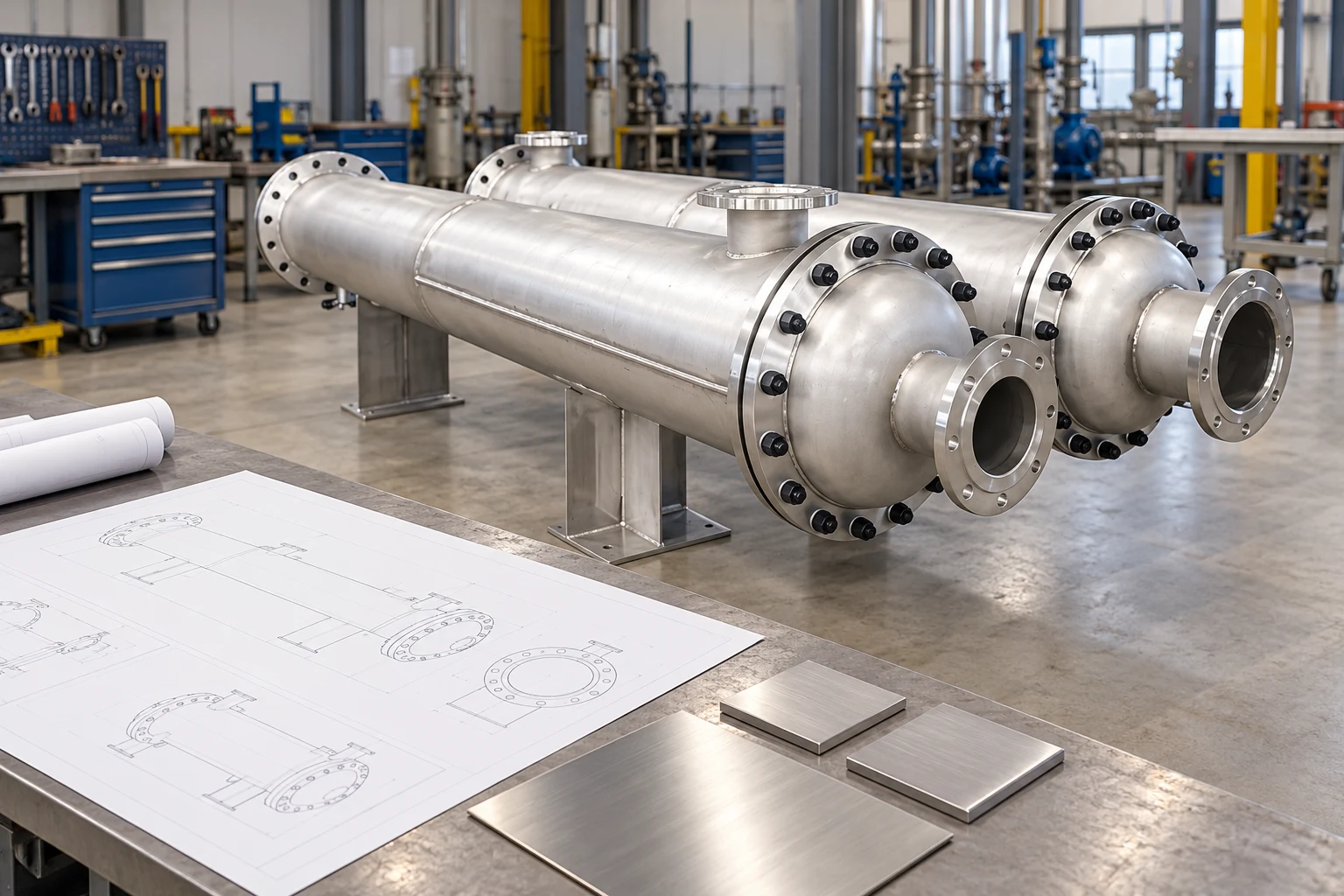
Agree the repair organization, engineering authority, inspection responsibilities and required approvals before work begins. The scope should identify the retained equipment, new components, joining procedures where relevant, examinations and release documents. Resolve whether the work is a repair, alteration or replacement under the governing requirements with the responsible authority; commercial descriptions alone do not decide that classification.
Define acceptance before dismantling
The acceptance package should specify what will be inspected, what test method is approved, what conditions apply and how results will be recorded. Avoid publishing a generic test pressure or duration without the equipment design basis. Pressure testing itself requires a controlled procedure and competent personnel. A successful test is evidence within that procedure’s scope, not proof against every future failure mechanism.
Specify cleanliness and fluid-side segregation where relevant. If contamination initiated the shutdown, the restart review may require additional product or process evidence beyond a mechanical test. Connect the repair release to the operating team’s reinstatement checks so valves, instruments and protective functions return in the approved state. Preserve deviations and their disposition rather than allowing verbal assurances to replace the record.
Evaluate lifecycle uncertainty alongside price
Compare the credible range of outage time, scope changes, future inspection needs and consequences of recurrence. The cheapest initial option may still be a reasonable choice when the evidence supports it; the point is to make the assumptions visible. Conversely, a new exchanger does not solve an uncontrolled upstream chemistry problem merely because it is new.
A useful decision record states the chosen option, rejected alternatives, key evidence, remaining uncertainties and responsible approvers. Attach the quotations and condition reports used for the decision. If a later finding changes the basis, reopen the decision rather than forcing the work to fit an obsolete budget. This creates a defensible procurement trail and a useful baseline for the next maintenance review.
Prepare a quotation request that can be answered
Send the exchanger identity, drawings, duty, inspection dossier, damage history, access constraints and intended restart date. Ask each bidder to list assumptions, exclusions and the evidence needed before finalizing the scope. Request documentation and acceptance responsibilities explicitly. Do not describe retubing as a routine consumable change when the retained pressure assembly still needs assessment.
The practical next step is a joint engineering and inspection review of that dossier. Once the remaining assembly and future duty are understood, procurement can compare proposals with fewer hidden differences and a clearer understanding of what the price actually buys.
Further learning: heat exchanger testing
The accompanying university lecture introduces heat-exchanger testing concepts. It helps explain performance evidence; it is not a field repair procedure or approval to pressure-test a vessel.
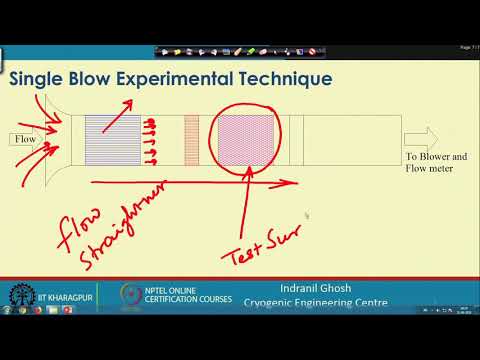
Watch Lecture 65 : Heat Exchanger Testing by NPTEL IIT Kharagpur
Часто задаваемые вопросы
Does one leaking tube mean the whole exchanger needs replacement?
No universal conclusion follows from one leak. Its cause, location, extent, consequences and the condition of the remaining assembly need qualified assessment before choosing a remedy.
Is retubing always cheaper than buying a new exchanger?
No. Compare complete installed scopes, outage exposure, retained-component condition and future requirements. A quotation excluding removal, testing or site changes is not directly comparable with a complete replacement proposal.
Can a tube material upgrade be treated as a like-for-like repair?
Do not assume so. The responsible designer and applicable authority should assess compatibility, joining, performance and regulatory implications before the modified configuration is accepted.