

Mixing tank reassembly after relocation needs an inspection record that connects the equipment as rebuilt with the conditions required for safe use. Record what moved, what was disconnected, what changed at the new location, what was inspected and who authorized the next step. An old factory acceptance report or a delivery photograph does not prove the new installation is acceptable. This guide helps buyers and maintenance planners assemble a clear handover package. It uses HSE guidance as a Great Britain example and distinguishes suggested document controls from legal requirements that depend on the actual jurisdiction, equipment and installation.
Establish the relocation scope
Start by defining the move. A complete tank transferred within a workshop is different from a vessel dismantled for transport, fitted with a replacement drive and connected to new services. Describe the original location, destination, equipment identity and the boundaries of the work. List removed components, disconnected services, temporary transport arrangements and known modifications. Avoid a vague description such as moved and reinstalled when several contractors performed different tasks.
Gather the approved relocation plan and relevant supplier information. Identify what had to be preserved during dismantling and what required inspection after reassembly. If the scope changed during the move, document the change and obtain the required review. A final inspection should not become the first occasion on which someone discovers that the installed arrangement differs from the intended one.
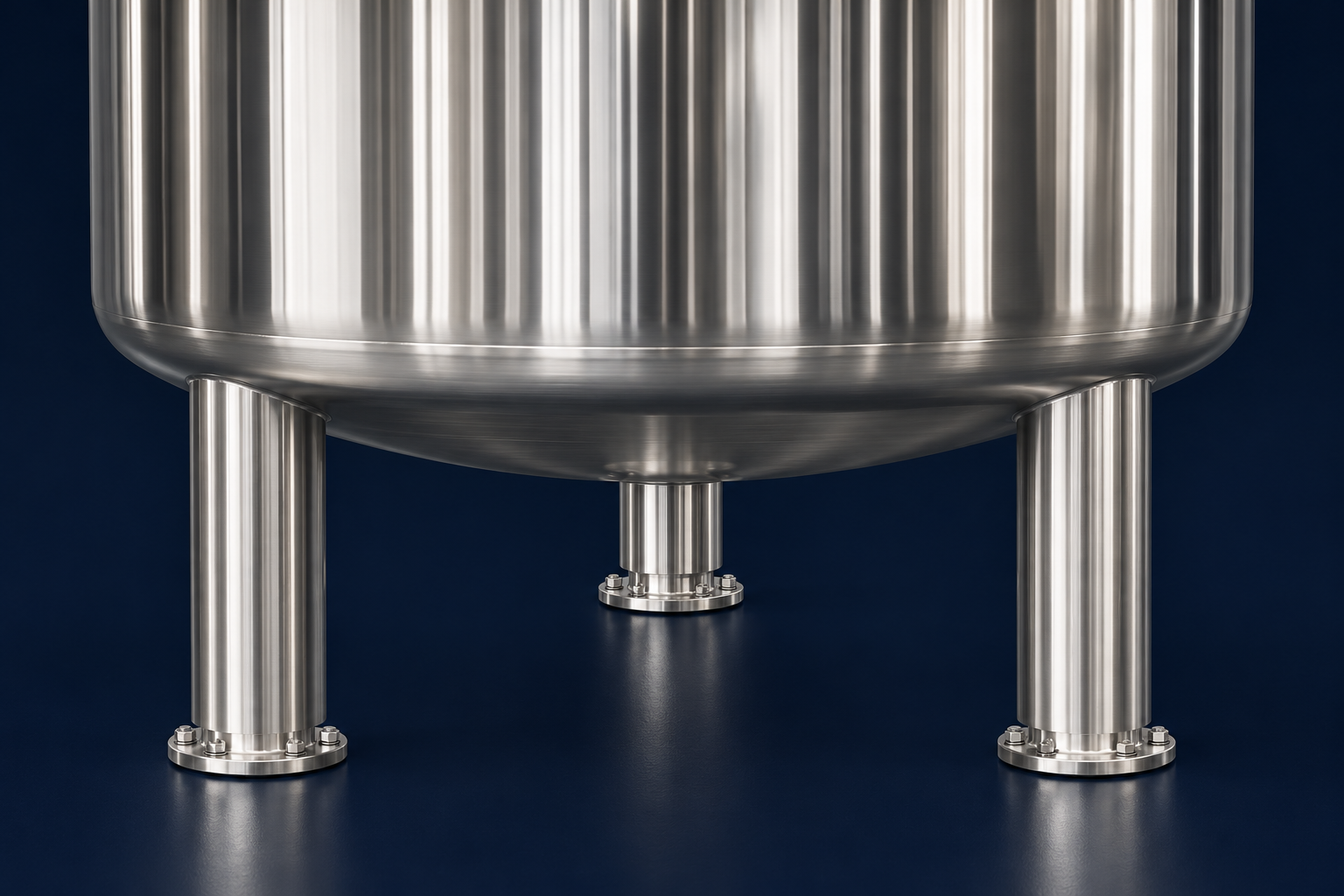
The actual variable speed mixing tank product provides equipment context. Its photographs show exterior vessels and drives, not a certified installation at the destination. Load capacity, anchoring, electrical protection, service compatibility and operating limits must come from the applicable equipment and site documentation. Do not infer these requirements from the photograph or this general checklist.

Explain why the former acceptance record is insufficient
A former inspection record describes a particular equipment condition and installation at a particular time. Relocation can introduce new installation conditions and opportunities for damage or error. Preserve the earlier report as baseline evidence, but review what it actually covers. A supplier test conducted before shipping does not automatically assess destination supports, reconnecting services or the condition of guards after reassembly.
Diretrizes de HSE inspection of work equipment guidance identifies reassembly at a new site or location as relevant where safety depends on installation conditions. Establish applicability through the responsible site process. This does not mean every item requires an identical inspection or that one generic certificate can cover all relocation work.
Write the inspection scope around the actual risks and changes. The responsible competent person should determine what examination and testing are appropriate. Document the agreed scope before proceeding, including any staged checks and conditions that must be met before energizing or using the equipment. Keep a document checklist separate from the engineering decision about whether the installation is acceptable.
Diretrizes de HSE maintenance of work equipment guidance also provides context for planning safe maintenance. Its principles inform preparation; the installation-specific inspection scope still needs its own competent review.
Reconcile the equipment and components
Match the vessel identity to the relocation records, drawings and relevant component list. Record the drive, guards, couplings and other items that were removed or replaced where they matter to the inspection scope. A component can physically fit while still being the wrong approved part. Resolve discrepancies against the applicable equipment records instead of relying only on appearance.
Utilize o guia existente guia de inspeção de receção de tanques de mistura to separate transport damage and delivery shortages from installation findings. Receiving inspection is useful evidence, but it is not a substitute for the checks required after the tank has been positioned, reassembled and connected. Keep the reports linked so a later reviewer can follow a defect from discovery to disposition.
Preserve identifying photographs, but label what they establish. An image of a motor nameplate can support identity; it does not prove correct wiring. A photograph of a support foot can show its visible condition; it does not prove load adequacy. Use photographs to support specific observations and keep calculations, inspection results and approvals in their proper records.
Organize the reassembly inspection package
The following table is a practical preparation aid rather than a universal inspection specification. The actual inspection content and acceptance basis should be determined for the installation by the responsible qualified people.
| Record area | Information to retain | Question for the reviewer |
|---|---|---|
| Equipment baseline | Vessel identity and applicable drawings | Is this the equipment approved for the destination? |
| Dismantling scope | Removed items and preserved settings | What must be restored or rechecked? |
| Destination conditions | Layout, services and support information | Which installation assumptions have changed? |
| Reassembly observations | Component identity and inspection results | Is the assembled condition supported by evidence? |
| Outstanding defects | Description, risk decision and owner | What prevents progression to the next stage? |
| Decisão de libertação | Approved scope, reviewer and restrictions | Is the next authorized activity unambiguous? |
Avoid copying pass marks into every row before the underlying checks occur. Record the evidence reference and the actual result. Where an item is outside scope, explain who is responsible for it and how its completion is verified. A clean report that omits an unresolved interface can be less useful than a report that openly identifies the remaining work.
Check destination assumptions and interfaces
Confirm that the inspection team has current information about the destination layout and connections. New pipe routes, service supplies, support arrangements or access constraints may affect the work. Identify interfaces between mechanical, electrical, controls and site teams. A successful check by one contractor should not silently imply acceptance of work performed by another discipline.
Keep service identification clear. The job package should distinguish process connections from utility connections and temporary arrangements using the applicable drawings and labels. This guide does not provide an operating sequence or a universal connection method. Where identity is uncertain, resolve the discrepancy through the authorized site process before connection or operation, rather than testing an assumption on the live installation.
O HSE PUWER overview provides wider Great Britain context for equipment suitability, installation and safe use. Its requirements must be interpreted for the actual undertaking. Do not present a document based on this guide as a declaration that all applicable machinery, electrical or pressure-system obligations have been satisfied.
Separate inspection stages from production release
Plan a sequence of authorized stages appropriate to the job. An initial assembled-condition inspection, controlled functional checks and release for the intended duty can have different prerequisites. Record what each stage authorizes and what remains prohibited. A report labelled mechanically complete may still leave electrical or process conditions unresolved; its meaning should be explicit.
For example, an inspection can identify that the correct guard has been restored while a separate authorized check addresses the drive function. Neither observation alone establishes that the tank is ready for the intended production process. Define the required evidence for the next decision in advance. This prevents a contractor completion signature from being mistaken for a broader operational approval.
Coordinate any relevant checks with the existing mixing tank agitator rotation verification guide. That subject is a separate controlled activity. The relocation record should reference its approved result where required, without encouraging an unplanned energization or implying that visual reassembly inspection proves the direction of rotation.
Resolve defects through a visible closeout process
Give each finding an identity, location, evidence reference, responsible owner and recorded disposition. Distinguish a physical defect from missing documentation and from an uncertainty requiring technical review. These categories may demand different actions, but none should disappear merely because the move is running late. Keep the release decision aligned with the significance of unresolved findings.
When corrective work is performed, record what changed and what reinspection was necessary. A replacement component may require the relevant identity and installation checks to be repeated. Retain both the original finding and its closure evidence so the next reviewer can understand the history. Avoid replacing an unsatisfactory result with a pass without an explanation of the intervening work.
If a supplier clarification is required, send the equipment and component identity, approved drawing reference, relevant photographs and the exact question. Ask for the applicable installation information rather than a broad assurance that everything is acceptable. The useful response resolves a defined uncertainty; it should not be treated as acceptance of site conditions that the supplier has not assessed.
Make the handover usable after the contractors leave
Compile the inspection scope, results, supporting documents, unresolved actions and final authorized restrictions in the controlled equipment record. Identify the installed configuration and the documents that now apply. Retain the original records as required, and make superseded drawings distinguishable from current instructions. A maintenance team needs to know what was actually installed, not just what was originally ordered.
Link the record to the lista de verificação para entrega de manutenção do tanque de mistura for ongoing ownership. The receiving team should be able to locate the inspection evidence, understand limitations and identify the next required action. Confirm that changes affecting maintenance or operation have reached the relevant people rather than assuming that saving the file completes the handover.
Before requesting a relocation support quotation, prepare the vessel identity, destination details, scope of dismantling, available installation records and specific missing information. A clearly bounded request helps suppliers and inspection specialists propose relevant work. It also reduces the risk of comparing quotations that cover different responsibilities or exclude essential destination checks.
Background learning
The neutral video below explains control of hazardous energy for lockout and tagout, relevant to safe reassembly preparation. Its title and channel identify the actual source. It does not authorize lifting, connection, energization or restart, and it does not replace the installation-specific inspection record or the responsible person’s release decision.
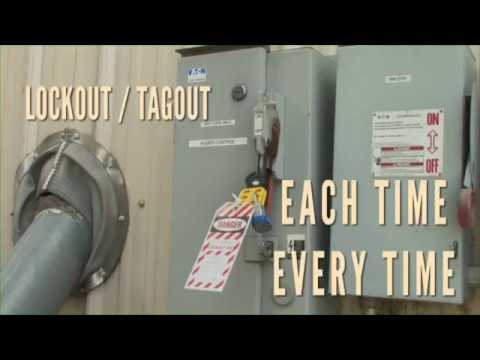
Centros de Segurança e Saúde Agrícola dos EUA: Controle de Energia Perigosa para lockout/tag out.
FAQ
Can the original factory test report replace a post-relocation inspection?
Do not assume that it can. The original report covers its stated equipment condition and scope. Review the new installation, the dismantling and reassembly work, and the applicable inspection requirements before deciding what additional evidence is necessary.
Must every relocation use the same inspection checklist?
No. The scope should reflect the equipment, installation conditions, changes and relevant risks. A preparation checklist helps organize records, while the responsible competent reviewer determines the appropriate inspection and testing for the actual job.
What should the final handover record make clear?
It should identify the assembled equipment, inspection scope and results, supporting evidence, unresolved findings and the activity authorized next. Include the responsible approval and restrictions so a completion signature cannot be mistaken for unrestricted production release.


