A mixing tank spare component serial number receipt reconciliation should connect the physical spare, its delivery paperwork and the equipment configuration for which it was ordered. Keep manufacturer, part number, model, revision, serial number and plant tag in separate fields. Matching one of those identifiers does not establish that all others agree or that installation is approved. This guide focuses on item identity at receiving and stores handover. It does not certify interchangeability, prescribe mechanical or electrical tests, or establish that every component on a mixing tank is individually serialized. Confirm the identifier system used by the actual component manufacturer.
Start with the spare that was actually ordered
Retrieve the purchase order, approved quotation and any authorized change or substitution. Identify the order line rather than only the overall delivery number. A consignment can contain several similar components for different tanks, and a correct quantity does not prove the right unit was delivered for each line. Preserve the relationship between the order, packaging and item before moving everything into common storage.
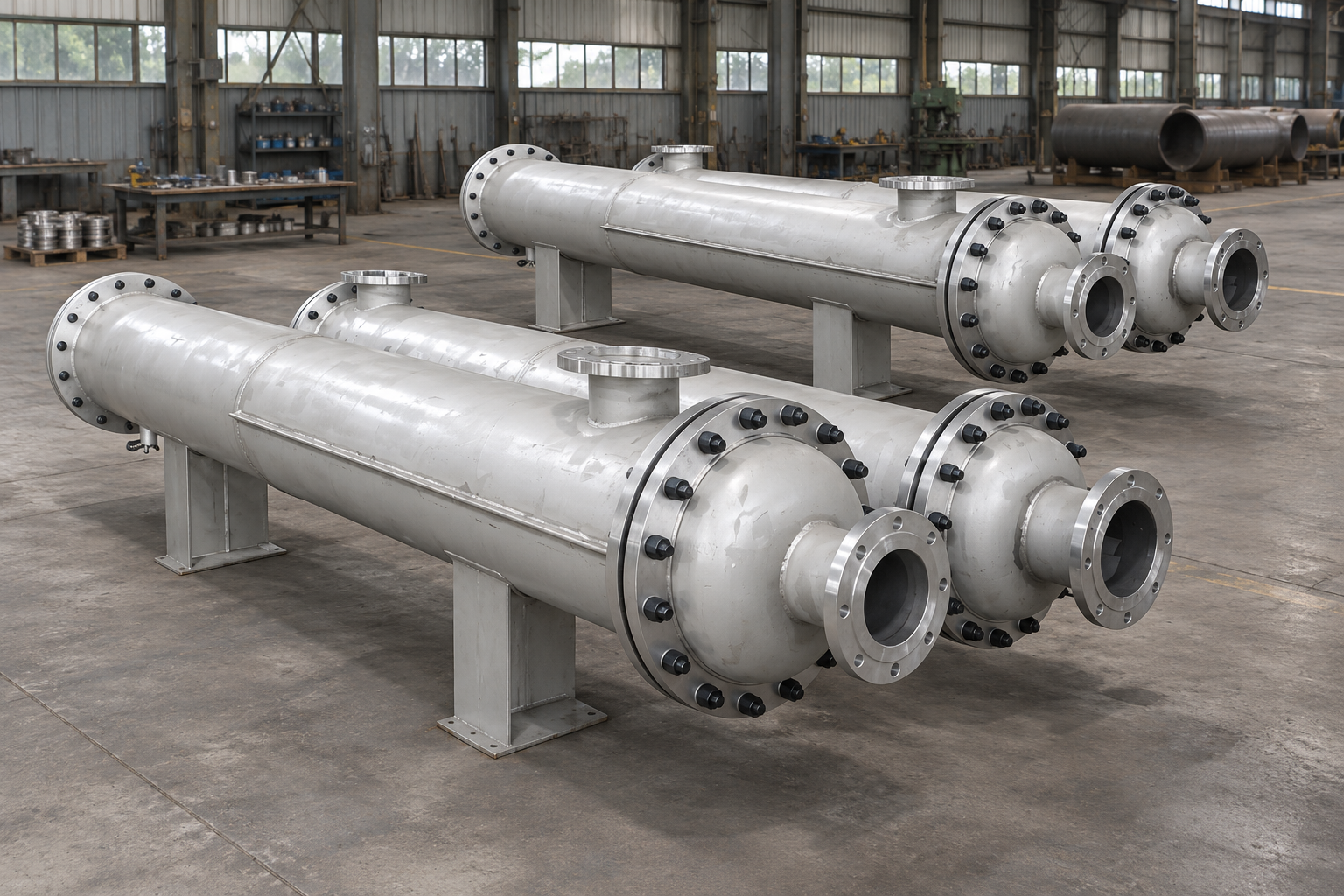
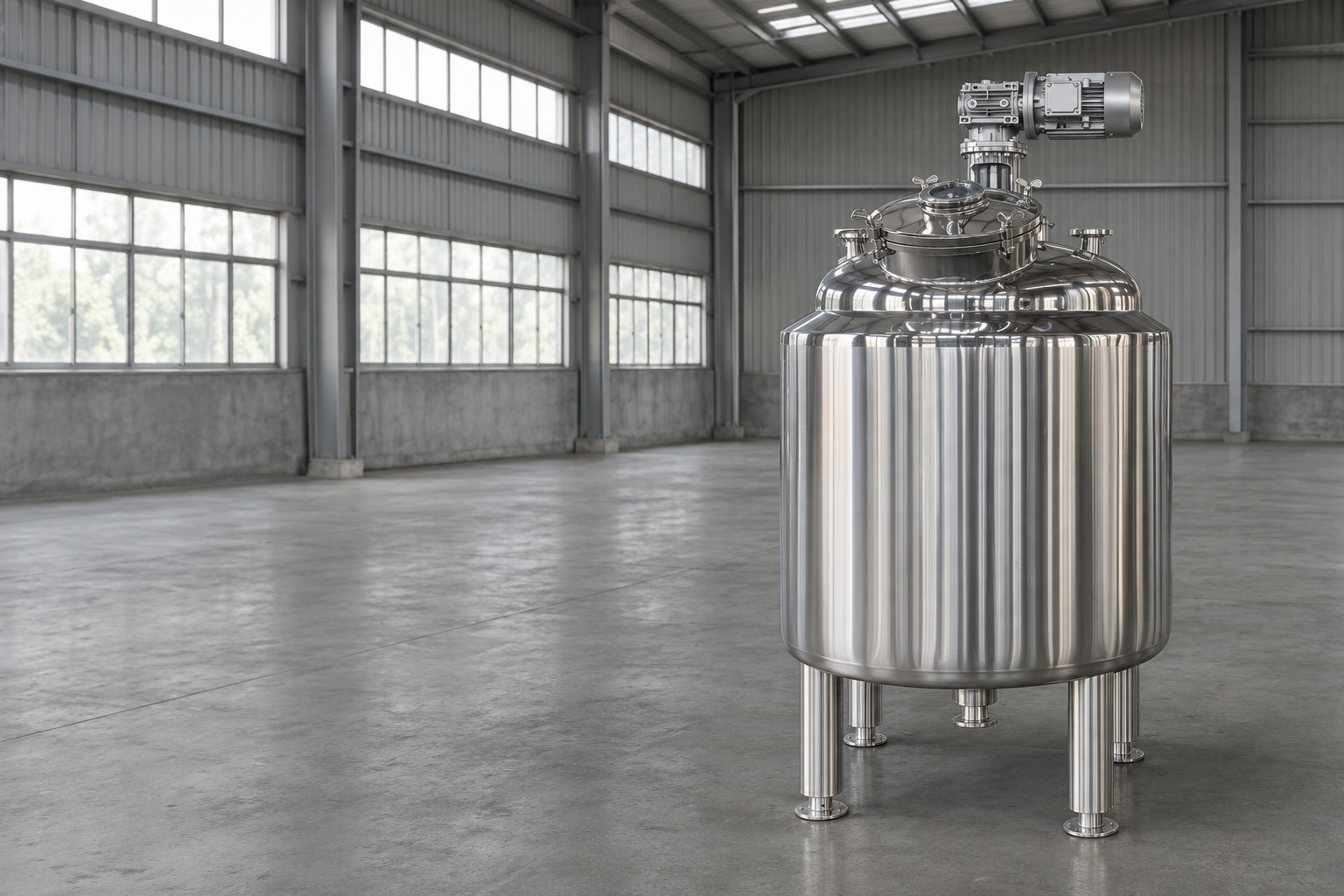
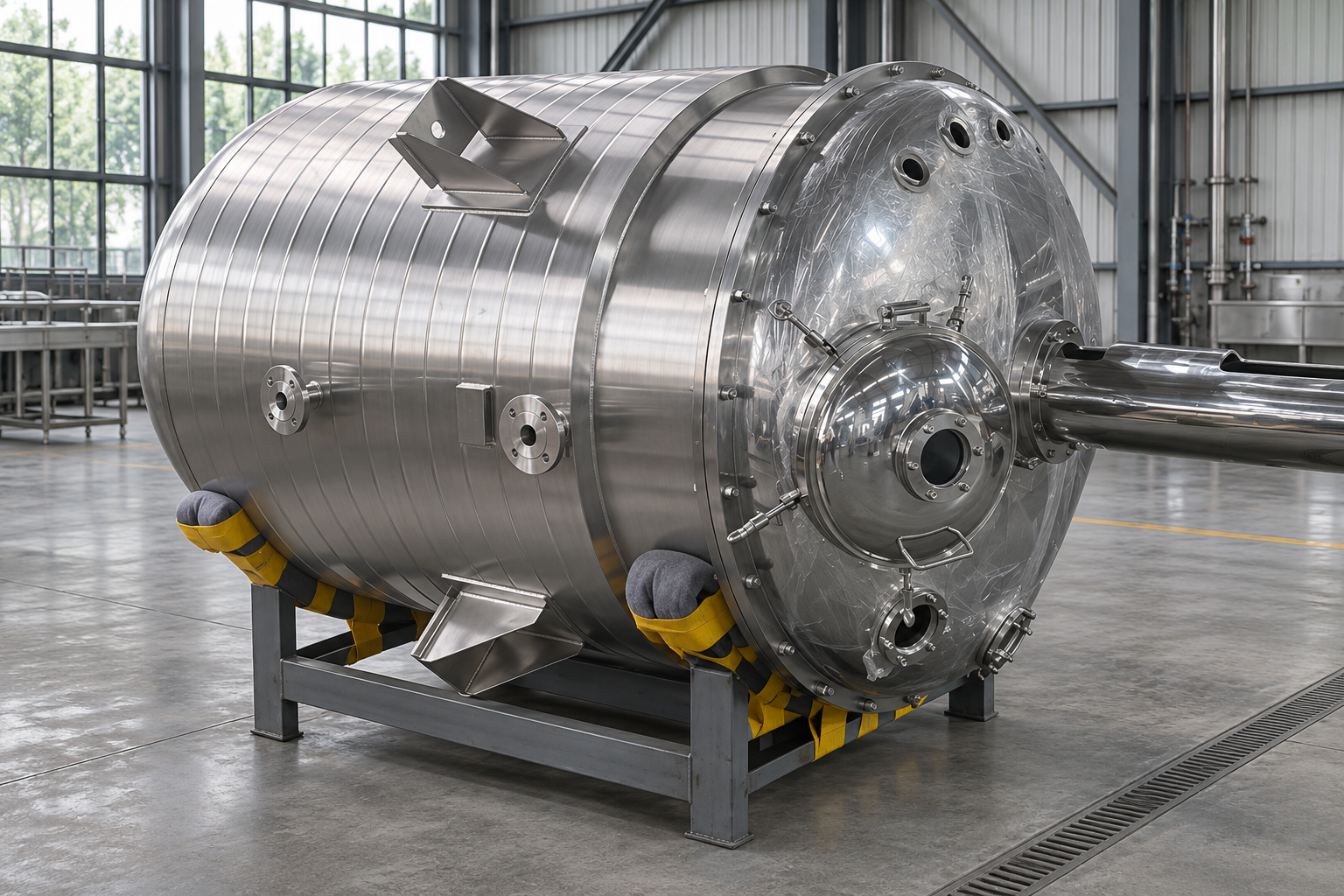
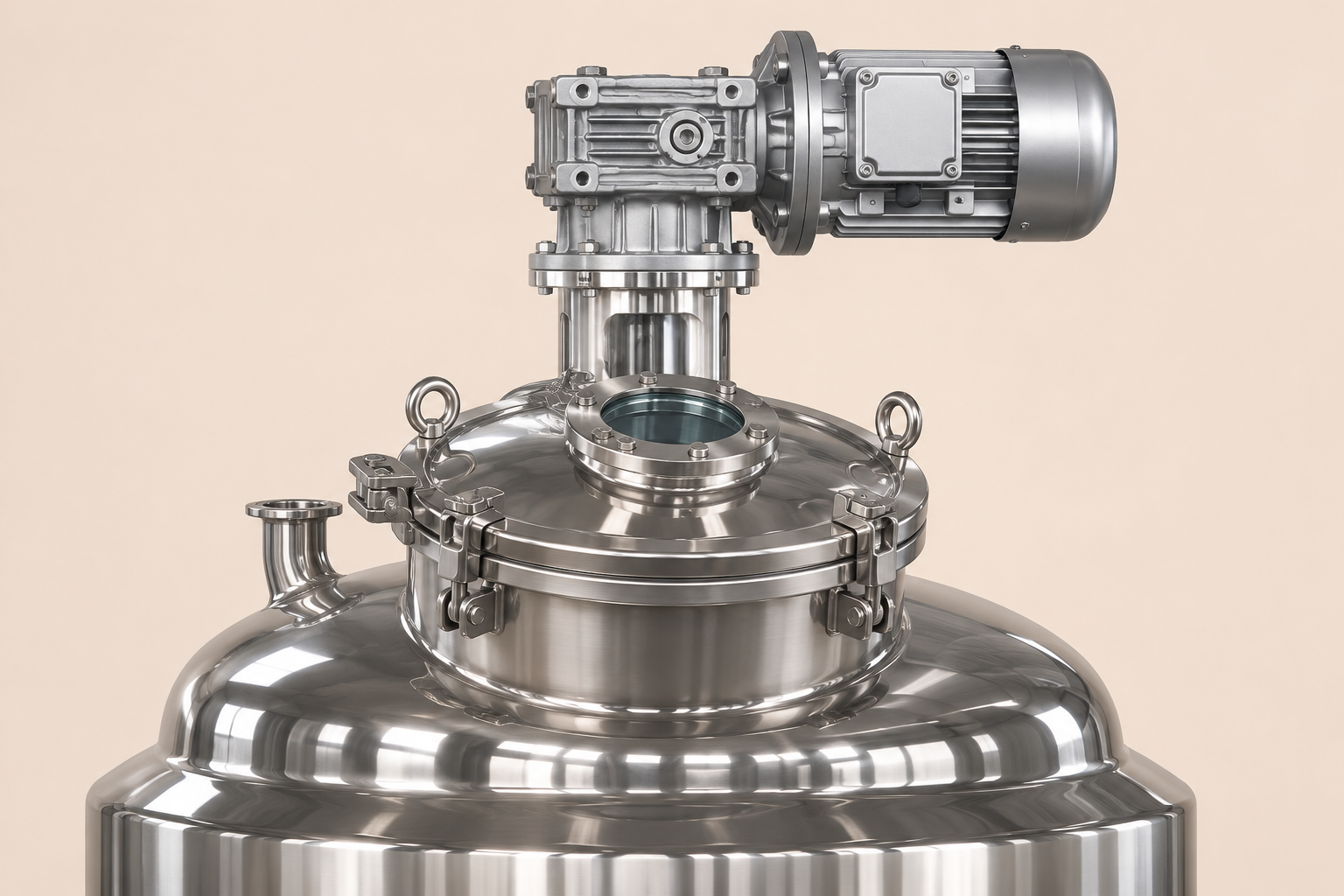
The site’s tanque de mistura com velocidade variável provides equipment context with visible vessels and drives. The photograph does not prove a particular motor model, reducer ratio, spare-parts scope or serialization policy. Start with the installed equipment documents and the order-specific requirement. The existing guia de inspeção de receção de tanques de mistura addresses broader equipment delivery checks; this article handles identifier reconciliation for a spare component within that process.
Keep the identifier types distinct
A part number generally refers to a component design or catalog item within a supplier’s system, while a serial number identifies an individual unit when the manufacturer uses serialization. A plant tag identifies equipment within the owner’s system. A drawing revision describes a document or configuration state. These labels can look similar on paperwork, but they should not be treated as interchangeable evidence.
Record the field names exactly as used by the manufacturer, then map them to the receiving form. Preserve prefixes, suffixes and leading zeros where they form part of the identifier. If the paperwork uses an unexplained abbreviation, ask for clarification. Do not infer that a number is a serial number simply because it is unique in the current shipment. Some items use a batch or lot identifier instead; the required traceability should reflect the actual component and order.
Read the physical item without damaging evidence
Inspect markings using the approved receiving procedure. Photograph the full component and the relevant label in a way that connects the close view to the whole item. A cropped number alone can be attached to the wrong record later. Where access to a label requires removing protective packaging, follow handling instructions and preserve packaging evidence until acceptance is complete. Do not remove sealed or protected assemblies merely to satisfy a form designed for a different component.
If a marking is obscured, damaged or partly unreadable, record the limitation rather than filling in the expected characters from the purchase order. Ask the supplier for an equipment-specific resolution. An emailed photograph of a label may clarify what was shipped, but the receiving team still needs to establish its connection to the physical unit. Avoid modifying or replacing manufacturer identification without an authorized process that preserves the original evidence.
Compare the records in a structured table
The following table separates the comparison questions. It is a qualitative identity aid, not a technical acceptance specification. Complete the required fields from the component documents and the approved purchase requirement.
| Identity element | Physical evidence | Record to compare | Unresolved issue |
|---|---|---|---|
| Manufacturer | Original marking or documented identity | Approved order and quotation | Different maker without approved substitution |
| Part or model designation | Complete code including meaningful suffixes | Order line and equipment parts list | Partial or shortened match |
| Individual unit identity | Serial marking where applicable | Packing list and unit-specific documents | Missing, repeated or mismatched identifier |
| Identificação do lote | Lot marking where serialization is not used | Material or production records required by the order | Traceability requirement unclear |
| Configuration revision | Applicable documented configuration | Approved drawing or change record | Revision difference not evaluated |
| Intended equipment | Owner’s association record | Tank tag and installed configuration | Spare allocated to the wrong asset |
The FAA’s AC 20-154A receiving inspection guidance provides an aviation example of comparing article identifiers with accompanying records. Aviation approval rules do not apply to a mixing tank merely because that checklist is consulted. Here it is an example of disciplined identity control, while the actual industrial purchase and equipment requirements determine the needed evidence.
Resolve mismatches without rewriting the history
Classify the discrepancy before deciding what it means. A typing error in a packing list, an unapproved component variant and an unidentified physical unit require different investigations. Retain the original paperwork and record the exact difference. A corrected document should identify what it replaces and why. Do not silently edit a received certificate or overwrite the original number in the receiving record to create agreement.
Send the supplier a concise evidence package: order line, photographs, observed marking, accompanying record and the requested clarification. Ask whether the discrepancy is documentary or reflects a different unit or configuration. Where substitution is involved, route it through the required technical review. Commercial agreement to accept a shipment is not the same as approval that the spare is suitable for the intended tank. Record both decisions when both are required.
Treat drawing revision as a separate compatibility question
Correct serial identity establishes which item is present, not whether the item is the right design for the job. Compare the relevant configuration documents through the approved review route. The spare parts drawing revision guide addresses that separate task. Avoid expanding an identifier check into a declaration of interchangeability without the required design information.
A replacement drive component can have interface or rating differences that a similar exterior does not reveal. The site’s replacement motor nameplate comparison provides related review context for motors. Use it when applicable, while recognizing that seals, bearings, couplings and other components may need different evidence. Do not apply a motor checklist to a non-motor spare simply to produce a completed inspection form.
Keep item status connected to storage location
Until the identity issue is resolved, prevent the affected spare being issued as accepted stock. Use the site’s hold process with a clear record reference, quantity and responsible contact. Preserve original manufacturer and safety labels. If similar items share a shelf, maintain enough physical or administrative separation that the correct status can be recognized at picking. A hold recorded only in an email can be lost during a shift change.
For a delivery containing multiple units, identify which units the decision covers. Avoid issuing a blanket release when the supplier has clarified only one serial number. If the manufacturer does not serialize the component, agree an appropriate receiving association without inventing a manufacturer serial number. The owner’s inventory reference should be labeled as an owner reference, with the original lot or part identity retained wherever required by the purchase and maintenance system.
Separate receiving acceptance from installation release
Receiving staff may establish that the delivered item matches the order and is in an acceptable visible condition within their procedure. Installation can still require preservation checks, measurements, specialist work or equipment inspection. Keep those later gates visible. A “received” transaction should not be presented to the maintenance crew as proof that all engineering and safety checks have been completed.
O HSE equipment maintenance guidance discusses planning work and using competent people within the UK work-equipment context. The relevant practical point is that fitting a spare belongs within an appropriate maintenance system. Do not energize or mechanically trial an unidentified component to discover what it is. Refer test selection, isolation and acceptance to the people responsible for that actual equipment and activity.
Make the stores-to-maintenance handover usable
When the spare is issued, hand over the verified component identity, intended tank association, status, applicable documents and unresolved limitations. Record any reallocation to another asset instead of leaving the original association unchanged. This is especially useful when several tanks have similar drives but different configurations. A photograph of the stock label should not replace the final documented match with the receiving unit.
Close the receiving discrepancy only after the original evidence, supplier response and authorized decision are linked. If the item is returned, account for its physical movement and prevent the returned identifier remaining available as accepted stock. If a corrected unit arrives, open or update the receipt for that actual unit; do not reuse the rejected unit’s identity. These steps preserve a record that can support a future inquiry or warranty discussion without pretending that serial reconciliation guarantees performance.
Further learning: safe maintenance preparation
The neutral educational video below introduces hazardous-energy control. It supports the maintenance context after receiving; it does not demonstrate component interchangeability or approve an installation on the illustrated mixing tank. The written identity checks remain independently usable.

Centros de Segurança e Saúde Agrícola dos EUA: Controle de Energia Perigosa para lockout/tag out.
FAQ
Is a matching part number enough to accept a serialized spare?
Not by itself. Compare the other identifiers required by the purchase and equipment records, including the individual serial number where applicable. Record any missing or mismatched information and obtain the required disposition before issue.
What if the component has no manufacturer serial number?
First establish whether that component is normally serialized and what the order requires. Use the genuine part, batch or other manufacturer identity as appropriate. An owner’s inventory reference can support tracking but should not be presented as an original manufacturer serial number.
Can a corrected packing list settle an apparent substitution?
A correction can resolve a documented clerical error, but it does not establish technical suitability for a different component. Preserve the original and corrected records, determine what changed, and obtain the required configuration approval before installation.