Sight glass gasket replacement should begin with equipment identification, service conditions and the original manufacturer’s instructions. A gasket that matches the visible diameter may still have the wrong thickness, material or assembly function. For an industrial tank sight glass or sight-flow indicator, the maintenance plan must also address isolation, trapped pressure, temperature, contamination and the condition of the glass and retaining parts. This guide explains how to prepare a replacement request and a safe handover to qualified maintenance personnel. It does not supply generic bolt torque, glass thickness or a disassembly sequence for an unidentified pressure assembly.
Identify the assembly rather than ordering by appearance
Record the manufacturer, model, serial or equipment tag, connection type and available drawing reference. Distinguish a round tank viewing window, a straight-through sight-flow indicator and a tubular level gauge. Their seals and retention arrangements are not interchangeable. A photograph can help the supplier identify a product family, but it does not establish the full specification of a replacement part.
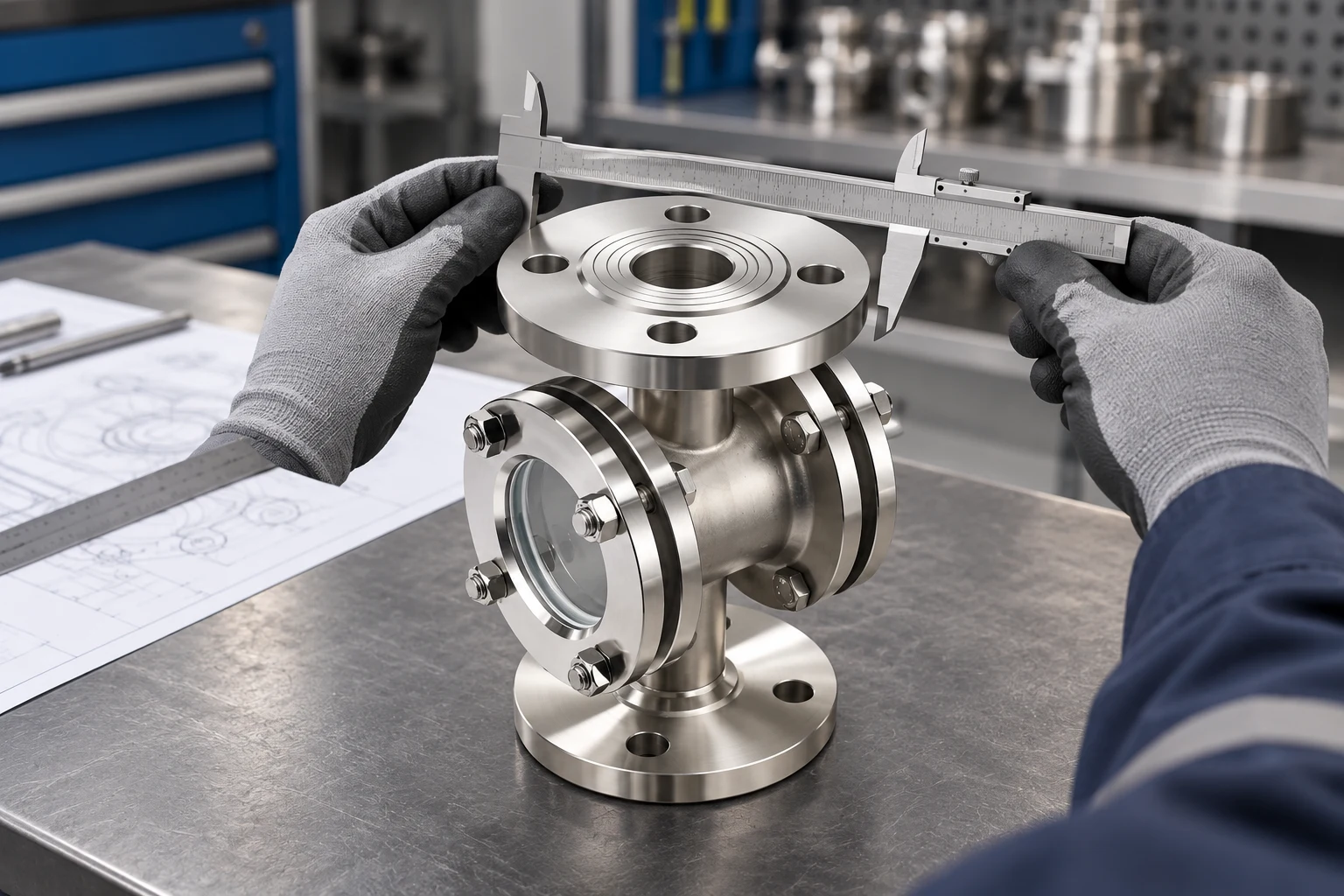
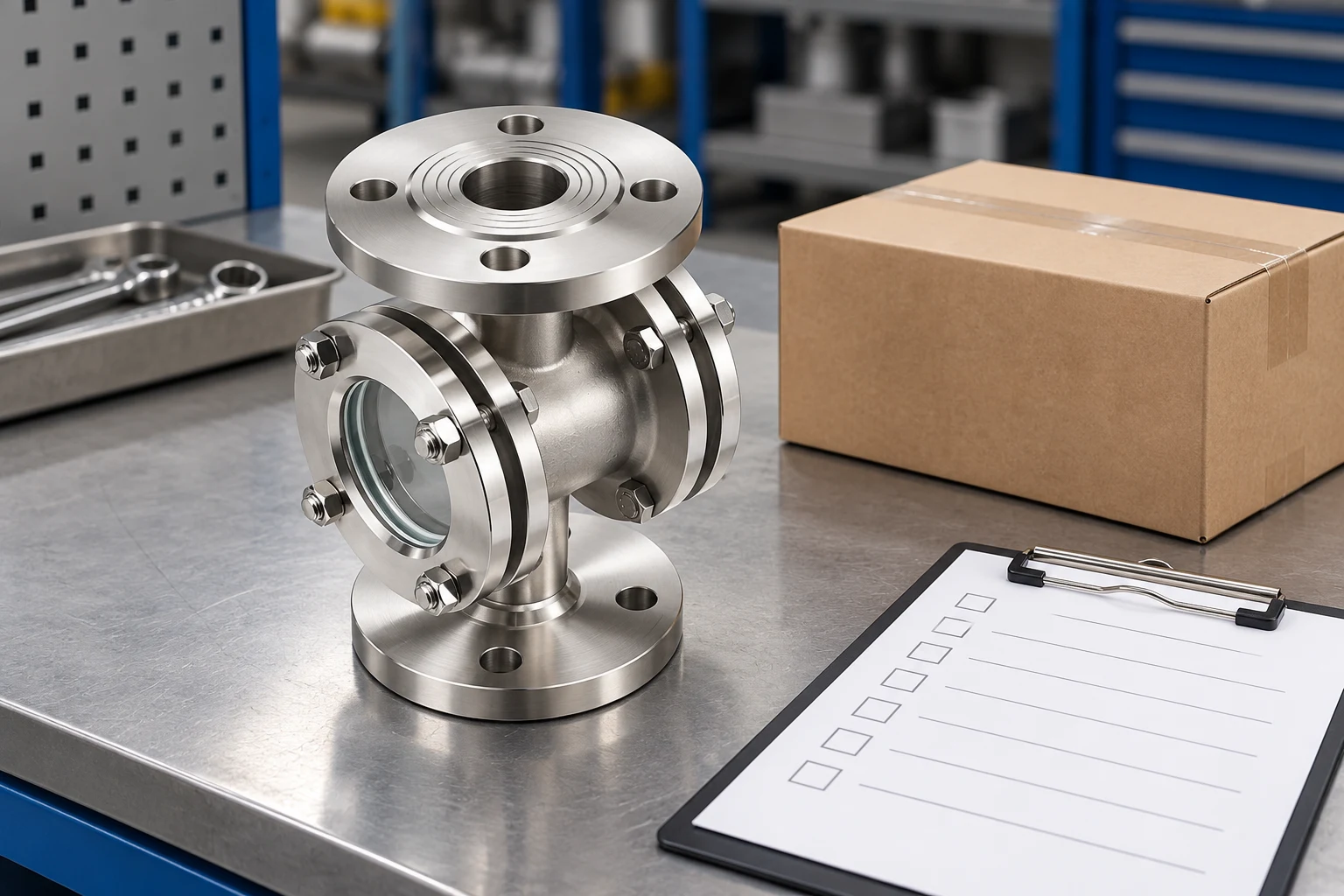
Itu YIYI sight-glass product reference shows a particular indicator configuration. Use the actual purchased assembly’s records to request spares; do not infer pressure ratings, glass type or gasket grade from the product image. If the equipment label is unreadable, resolve its identity with the supplier before authorizing parts or work.
Separate a seal problem from a glass or retention problem
Describe the observed symptom without assigning a cause prematurely. Examples include an external leak, a deposit obscuring visibility, damage noticed during inspection or a part reaching a scheduled replacement interval. Record when it appeared, the fluid, temperature, pressure condition and recent maintenance or cleaning changes. An external leak does not prove that the gasket alone is defective.
Qualified personnel should assess the glass, seating surfaces, retaining components and relevant fasteners using the manufacturer’s criteria. Do not decide that a scratched, chipped or chemically affected window is acceptable because a new gasket stops a leak. Equally, do not assume that a stain is a crack from a distant photograph. The observation, inspection method and acceptance decision should remain distinguishable in the maintenance record.
Gather the full exposure history for compatibility review
Provide the normal process fluid and concentration, expected temperature range and pressure or vacuum conditions. Add cleaning agents, sanitizing chemicals, rinse cycles and credible upset exposures. A gasket selected only for the product fluid can fail compatibility review once cleaning conditions are included. Food or pharmaceutical service may introduce additional documentation requirements that must be identified for the actual application.
Ask the original manufacturer or qualified replacement supplier to confirm the complete part designation and compatibility basis. Avoid reducing the choice to a generic polymer name. Different grades, fillers and constructions can have different characteristics. The gasket must also suit the glass, metal seating arrangement and assembly design. A chemical resistance chart alone does not establish that the complete pressure assembly is suitable.
Distinguish process seals from glass cushions and other parts
Some assemblies use more than one sealing or cushioning component. The replacement request should identify each part by the applicable drawing or kit reference. Do not assume that two rings with similar dimensions perform the same function or that one can be omitted. Confirm whether the approved kit includes the glass, gaskets, cushions, shields, fasteners or other parts required for the specified maintenance task.
Preserve the assembly orientation information supplied by the manufacturer. A seal that seems symmetrical may still have an installation requirement. This is why a generic online gasket, selected from outside diameter alone, is an inadequate procurement specification. If an alternative kit is proposed, request a documented equivalence assessment rather than accepting a claim that it fits most sight glasses.
| Information for the spare-parts request | Mengapa itu penting | Evidence to send |
|---|---|---|
| Identitas peralatan | Similar housings can use different kits | Tag, model and original order reference |
| Assembly configuration | Windows and tubular gauges use different arrangements | Drawing and clear exterior photographs |
| Process and cleaning exposure | Compatibility includes more than the product | Fluid list, concentrations and temperature range |
| Design conditions | Operating pressure alone is incomplete | Approved pressure, vacuum and temperature basis |
| Symptom and history | Recurrent leakage may have another cause | Timeline and previous maintenance record |
| Required release documents | Traceability needs vary by service | Site specification and certificate requirements |
This table supports an identification and review process. It does not determine a gasket material or authorize a substitute for an unknown model.
Plan isolation for the actual connected system
The maintenance planner should identify every source of hazardous energy and material that can reach the assembly. Depending on the installation, this can include process pressure, vacuum, steam, cleaning supply, heat, chemical residues and connected machinery. Follow the facility’s approved isolation and verification procedure. Closing a nearby valve is not, by itself, evidence that the work location is safe.
HSE’s guidance on safe isolation of plant and equipment explains why servicing requires protection from unexpected energy release. Its requirements must be applied within their scope. The Panduan sistem tekanan HSE provides a separate jurisdictional reference for pressure-system responsibilities. Neither source supplies a model-specific sight-glass reassembly procedure.
Treat trapped conditions as a verification problem
A zero reading on one instrument may not establish that every isolated pocket is depressurized. Blocked passages, closed valves and an unsuitable measurement location can leave uncertainty. The authorized maintenance team should use the approved method to establish the condition at the work location. Do not loosen a retaining bolt or process connection as an informal pressure test.
The procedure should also address temperature and residue. A component can remain hot after the surrounding equipment has cooled, and an emptied system can still contain hazardous material. Access, protective measures and disposal should follow the actual service assessment. This guide deliberately provides no universal waiting time because safe conditions depend on the assembly and the process.
Prepare the work package before the outage
The package should contain the correct spare-parts identification, current manufacturer instructions, approved work scope, isolation requirements and inspection criteria. Identify who can authorize additional work if the glass or seating surfaces are found unacceptable. A replacement scheduled around a gasket-only kit may stall if inspection reveals that the approved task requires more components.
Arrange a clean and suitable handling area for the parts. Keep identification and packaging linked to the maintenance order. Confirm any shelf-life or storage requirements from the supplied documentation. Do not assume that an old unlabelled ring in a workshop drawer is usable because its dimensions appear correct. Purchasing and maintenance should agree how unused or rejected parts will be identified after the job.
Leave disassembly and tightening to the correct instructions
The original assembly procedure should define the order, orientation, fastener condition, tightening method and any required values. Do not copy torque from another manufacturer’s similar-looking unit. Glass, gasket compression, bolt dimensions and retention design interact, so an unsupported tightening value can introduce a new hazard. A leaking unit is not an invitation to tighten bolts while it is pressurized.
If the necessary instructions cannot be obtained, record that as an unresolved work requirement. The responsible engineering team can assess a supported alternative, including replacement of the complete assembly if appropriate. Continuing with a generic internet procedure simply moves uncertainty into a pressure boundary. A documented stop at that point protects both the maintenance team and the integrity of the restart decision.
Define inspection and release evidence in advance
Ask the responsible specialist what examinations and tests apply after the work, who approves them and how the results will be recorded. Test conditions must follow the actual design and approved procedure. This article does not recommend a universal leak-test pressure, test medium or duration. The consequences and precautions of testing depend on the equipment and service.
Record the installed kit identity, glass identity where applicable, inspection findings, replaced components and deviations. Link the maintenance release to the equipment tag. If the assembly will return to food or other sensitive service, coordinate any required cleanliness or process-quality release with the mechanical work record. A maintenance signature should not silently imply that unrelated product-quality requirements have also been satisfied.
Investigate repeated replacement instead of normalizing it
If leakage recurs, preserve the removed components and identify their orientation and service time where practical. Review chemical exposure, cleaning changes, thermal cycles, mechanical loads and previous assembly records with the supplier. Repeatedly replacing the same gasket without investigating the cause can conceal an incompatible part or a broader equipment problem.
Gunakan sight-glass pressure and temperature selection guide to review the operating envelope and the sight glass versus level gauge guide when the original viewing function is unsuitable. The sight-flow indicator explanation covers the observation role. These pages support different decisions; none replaces the assembly’s maintenance instructions.
Send a complete request and obtain a written response
The next useful action is to send the equipment identity, photographs, drawing, exposure history and intended maintenance scope to the original manufacturer or qualified supplier. Ask for the approved kit, applicable instructions, replacement criteria and documents required for release. Make any missing information visible before the outage begins.
A successful replacement plan ends with a supported component choice and an approved work package. That is more useful than a quick list of steps for an unknown model, and it reduces the chance that the maintenance team discovers a critical specification gap after opening the equipment.
Further learning: hazardous-energy control
The accompanying safety-education video explains hazardous-energy control before servicing. It supports the isolation discussion and is not a sight-glass replacement demonstration or a substitute for the site’s procedure.
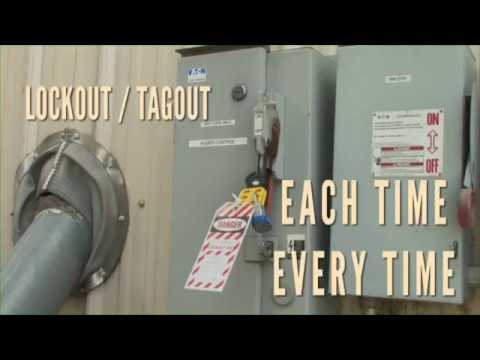
Watch Control of Hazardous Energy for lockout/tag out by U.S. Agricultural Safety and Health Centers
Pertanyaan yang sering diajukan
Can I choose a gasket using only its inside and outside diameters?
No. Confirm the assembly identity, part function, thickness, material grade, exposure and manufacturer requirements. Matching visible dimensions does not establish suitability for the pressure assembly.
Should a leaking sight glass be tightened during operation?
Do not use this guide to authorize live tightening. Follow the manufacturer’s instructions and the facility’s isolation and maintenance procedure before any intervention on the retaining assembly.
Does a new gasket mean the old glass can be reused?
Not automatically. Qualified personnel should apply the correct inspection and replacement criteria to the glass and other components. The approved kit and work scope determine what must be replaced.