

Tank nameplate drawing reconciliation establishes whether a delivered vessel, its identification, and its controlled documents refer to the same equipment and approved configuration. Start with the physical serial number and equipment tag, then compare the nameplate information with the applicable drawing, order, and manufacturer records. Log discrepancies without altering markings or assuming the latest-looking document is correct. Resolve identity and revision questions before using the equipment for its intended service. This process supports acceptance and maintenance planning; it does not authorize a pressure rating, replace a required examination, or turn an atmospheric vessel into pressure equipment.
Establish which vessel the documents describe
Receiving inspection often starts with a packing list and a photograph. Those are useful, but they may identify a shipment rather than a unique vessel. A purchase order can contain several similar tanks, and project equipment tags may have changed between design and delivery. Build a traceable connection between the installed item and the manufacturer’s serial identification before comparing individual specifications.
Record the tag, serial number, manufacturer, physical location, and the documents presented for that unit. Where a marking is obscured or inaccessible, arrange safe access through the site’s procedure. Do not climb on pipework, remove insulation, or disturb connected equipment simply to obtain a photograph. An unreadable identifier should remain an open item until the responsible parties establish an acceptable evidence route.
Itu website vessel photograph supplies equipment context only. It does not prove the rating, internal construction, certification, orientation in service, or identification of a customer’s vessel. An enquiry should use the actual delivered unit’s records, not a catalogue image as a substitute for its nameplate.
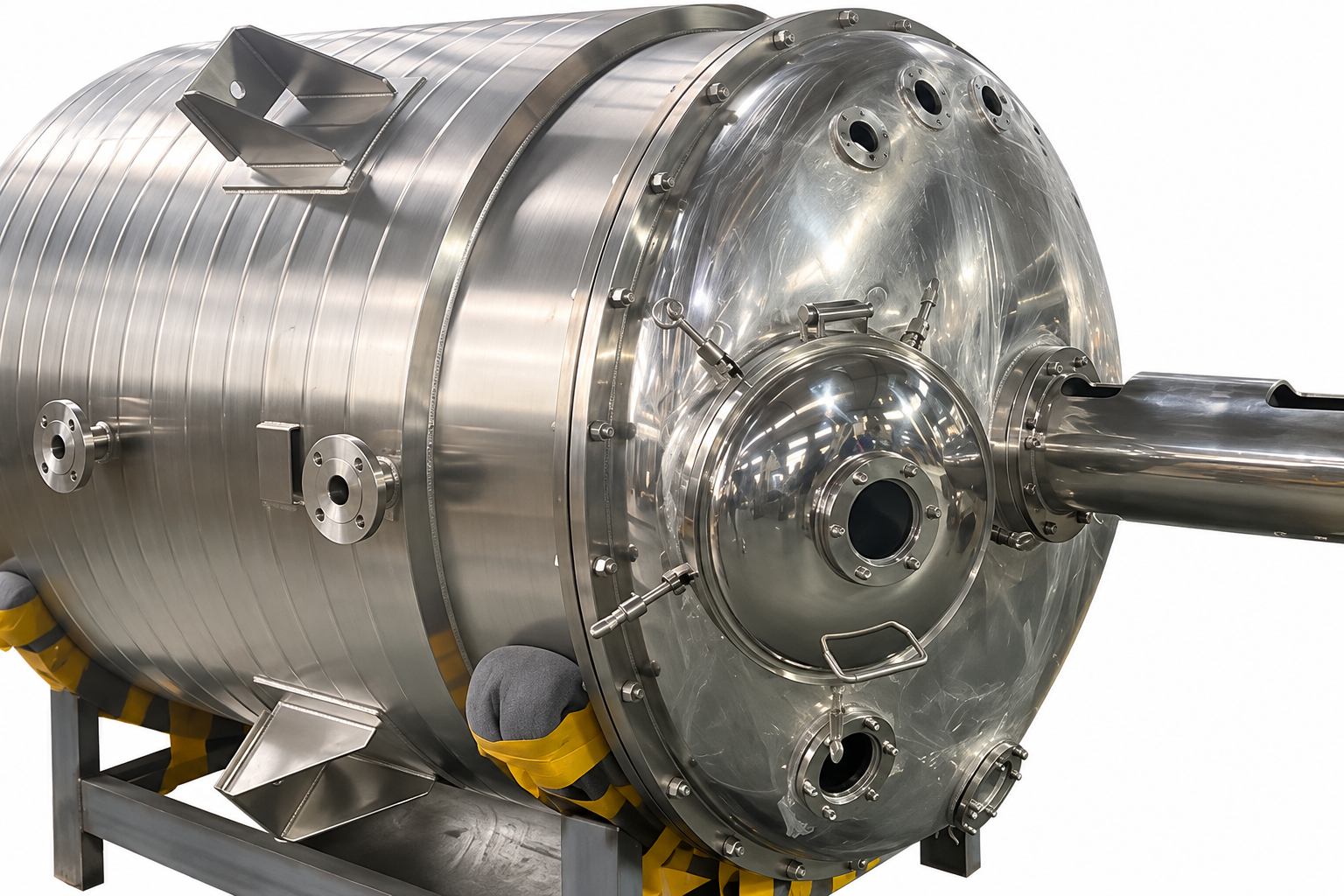
Build a document hierarchy before comparing values
Collect the purchase specification, approved equipment drawing, relevant manufacturing record, nameplate transcription, and any authorized change notices. List the document number and revision for each. Distinguish preliminary, approved-for-manufacture, and as-built documents where those states are used by the project. A later date alone does not establish approval or applicability.
Ask the manufacturer or responsible engineer which document controls each disputed field. The nameplate may contain a compact subset of information, while the drawing contains geometry and connection details. A general arrangement may not be the design calculation record. A material certificate identifies a material item only through the documented traceability system; it does not automatically prove that every visible component has that grade.
Preserve superseded documents in the history while making their status unmistakable. If an emailed sketch changed a nozzle location, locate the approved change and determine whether the final drawing incorporates it. Do not silently edit the receiving checklist to make contradictory documents appear consistent. A good reconciliation shows both the original discrepancy and the authority for its resolution.
Compare identity first, configuration second
Begin with fields that connect the records to the physical item: manufacturer identification, serial number, equipment tag, order reference, and drawing applicability. Once identity is established, compare the configuration relevant to the purchase: connection schedule, support arrangement, orientation, access openings, and supplied accessories. Use safe observations and appropriate records rather than assumptions about hidden construction.
Treat materials, pressure-related information, and temperature-related information as separate controlled questions. Do not infer allowable service from shell thickness, a flange’s appearance, or an internet product description. Where pressure equipment rules apply, the responsible organization must establish which requirements and examination arrangements cover the actual system. Atmospheric service also requires appropriate venting and consideration of foreseeable conditions; an absence of a pressure rating is not permission to apply pressure.
Itu HSE introduction to pressure systems explains the safety context within its jurisdiction. Its written schemes of examination guidance describes a specific control framework where applicable. These sources do not classify the vessel in your project or supply a missing manufacturer rating. Obtain an equipment-specific determination from the responsible competent parties.
| Comparison area | Bukti yang berguna | Discrepancy response |
|---|---|---|
| Identity | Serial marking linked to order and manufacturer records | Hold acceptance of identity until the connection is established |
| Drawing applicability | Document number, revision, approval state, and unit reference | Request the correct controlled issue |
| Connections and orientation | Approved schedule and safely observed installed arrangement | Assess changes before connecting services |
| Service-related markings | Actual nameplate transcription and applicable design records | Obtain manufacturer and responsible-engineer clarification |
| Material traceability | Certificates connected through the manufacturing record | Resolve missing links rather than assigning a grade by appearance |
| Change history | Authorized modification and final documentation | Update the controlled record through its approval process |
The table is an evidence workflow, not a regulatory acceptance certificate. Your contract, local rules, and the responsible engineering assessment determine the actual release criteria and any mandatory hold points.
Write discrepancies so they can be resolved
A useful discrepancy record states the expected information, the observed information, the evidence source for each, and the affected decision. For example, a drawing revision mismatch may prevent connection work until orientation is confirmed. A serial-number mismatch may affect the entire document package. Avoid vague statements such as “documents incorrect” that require the next reviewer to repeat the investigation.
Keep transcription separate from interpretation. Preserve the exact text of a marking in a photograph or controlled record, then add the engineer’s explanation in a different field. If units differ, compare them using a documented conversion only after confirming that the values describe the same quantity and basis. Do not treat design, operating, and test conditions as interchangeable labels.
Assign each issue an owner and required response. A supplier clarification, a corrected document, a physical modification, and a further examination are different actions. Identify which must happen before installation, which before commissioning, and which before final handover. Do not allow an administrative status such as “response received” to imply that the technical concern has been accepted.
Do not correct a plate informally
An apparent typographical error still requires an authorized resolution. Do not stamp a new value, attach a replacement label, or modify a serial marking on the basis of a phone conversation. Establish the responsible authority, the evidence supporting the correction, and the process for maintaining traceability. Requirements vary with equipment type and jurisdiction, so obtain specific instructions rather than using a universal repair method.
If the discrepancy concerns supplied configuration, inspect the actual item within the safe receiving scope. The broader mixing tank receiving inspection guide helps organize photographs and outstanding items. The reconciliation task remains focused on identity and documents, rather than repeating every mechanical acceptance check.
If a physical change affects a sealed boundary or connection, keep any required leak-testing record terkait dengan perubahan. Uji kebocoran yang berhasil tidak menetapkan peringkat desain yang benar atau menghapus ketidaksesuaian dokumen. Demikian pula, gambar yang telah diperbaiki tidak membuktikan bahwa modifikasi fisik telah diperiksa dan disetujui.
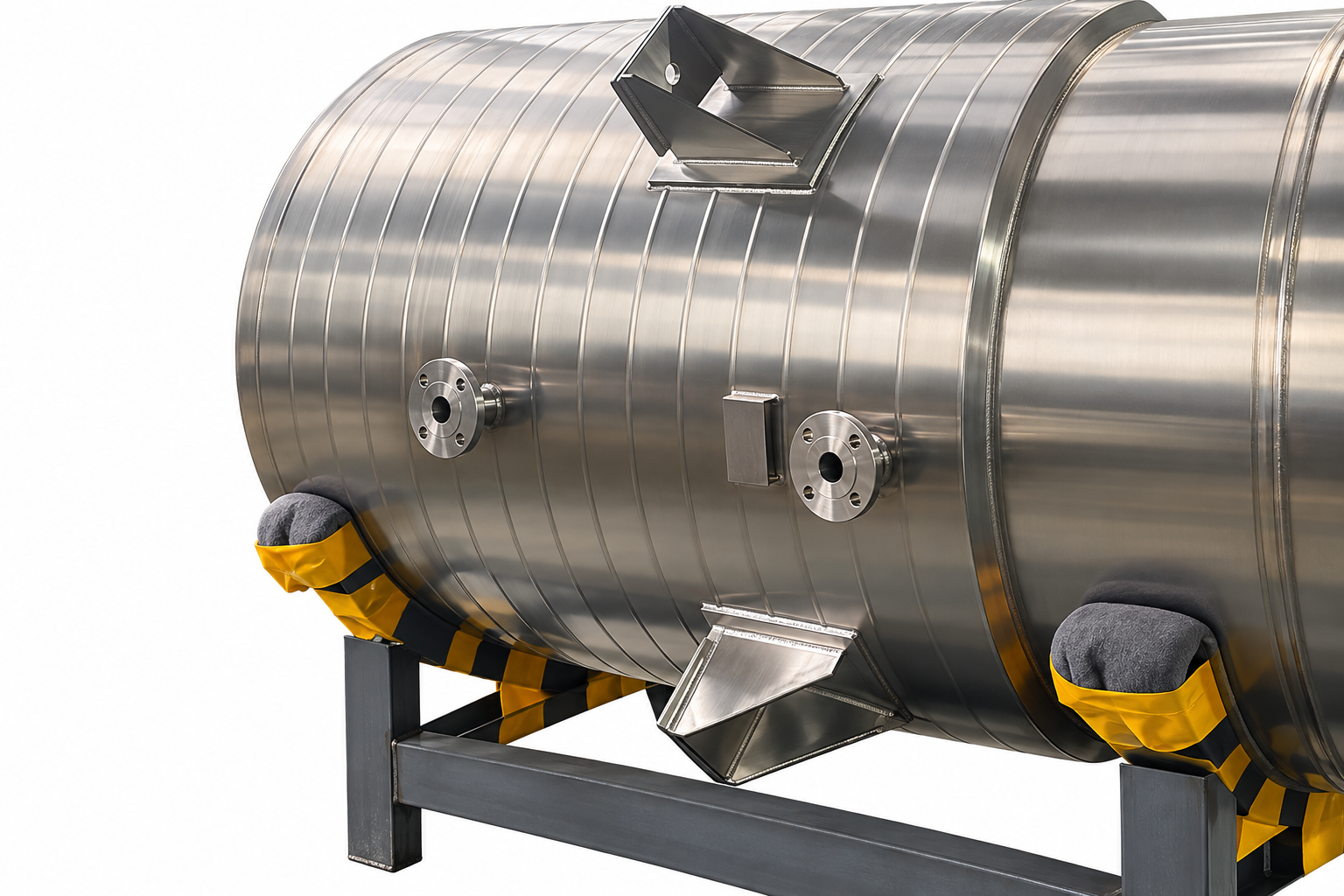
Jelaskan mengapa informasi tekanan perlu penanganan yang hati-hati
Perbedaan tekanan dapat membebani sebuah tangki bahkan ketika operator tidak bermaksud untuk memberi tekanan. Demonstrasi dari museum sains berikut menggambarkan efek tekanan udara eksternal pada sebuah drum. Ini disertakan untuk menjelaskan mengapa batas layanan khusus peralatan dan pengaturan perlindungan penting; ini bukan prosedur pengujian tangki, perhitungan peringkat, atau instruksi untuk mereproduksi demonstrasi pada peralatan produksi.
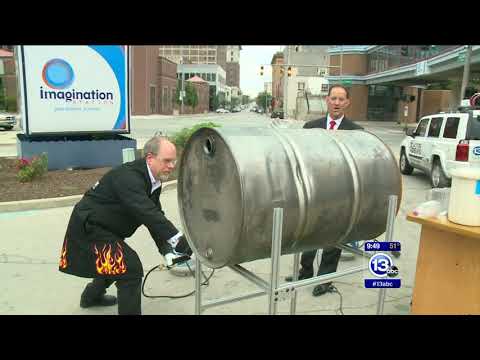
Stasiun Imajinasi Toledo: Hancurkan drum baja dengan tekanan udara.
Untuk tangki yang dikirimkan, identifikasi kondisi layanan yang disetujui dan pengaturan yang menjaga sistem tetap dalam kondisi tersebut. Jangan memilih perangkat pelepasan atau perlindungan vakum dengan menyalin nama plat instalasi lain. The panduan tekanan versus pemandu pintu tangki atmosfer membahas bagaimana dasar layanan mempengaruhi keputusan pembukaan akses, sementara artikel ini membahas identifikasi dan dokumentasi yang membuat keputusan tersebut dapat dilacak.
Tutup rekonsiliasi dengan catatan yang terkendali
Paket penutup harus berisi identitas peralatan yang diverifikasi, daftar dokumen yang berlaku, log ketidaksesuaian, tanggapan yang disetujui, dan bukti bahwa tindakan yang diperlukan telah selesai. Identifikasi batasan yang tersisa secara eksplisit. Catat siapa yang menerima setiap resolusi dan di bawah otoritas apa. Simpan foto plat asli dan masalah dokumen sebelumnya agar tim pemeliharaan di masa depan dapat merekonstruksi keputusan tersebut.
Periksa bahwa gambar akhir benar-benar mewakili konfigurasi yang dikirim dan diterima. Jika pabrikan telah menjanjikan dokumen yang diperbaiki tetapi belum menyediakannya, simpan item terbuka yang sesuai. Hindari mengganti masalah yang belum terselesaikan dengan pernyataan bahwa dokumen “akan menyusul” kecuali proses rilis resmi proyek secara tegas mengizinkan pengaturan tersebut dan mencatat batasan terkait.
Untuk permintaan YIYI, kirimkan tag peralatan, identifikasi serial, nomor gambar dan revisi yang relevan, foto aman, layanan yang dimaksudkan, dan ketidaksesuaian yang tepat. Tanyakan catatan yang disediakan berlaku untuk unit tersebut dan klarifikasi yang disetujui yang tersedia. Permintaan yang terfokus ini lebih dapat ditindaklanjuti daripada menanyakan apakah sebuah tangki umumnya cocok berdasarkan foto eksterior.
FAQ
Apakah gambar terbaru selalu gambar yang benar?
Tidak. Konfirmasikan status persetujuan, kecocokan dengan kapal tertentu, dan penggabungan perubahan yang disetujui. Gambar awal yang lebih baru mungkin tidak menggantikan catatan as-built yang telah disetujui.
Apakah peringkat tekanan dapat disimpulkan dari foto bejana?
Tidak. Penampilan tidak menentukan batasan desain, ketertelusuran material, sertifikasi, atau kesesuaian untuk suatu penggunaan. Gunakan catatan terkendali dari peralatan yang sebenarnya serta penilaian teknis dari pihak yang bertanggung jawab.
Apa yang harus dilakukan ketika nama plat dan gambar tidak cocok?
Pertahankan kedua catatan, jelaskan ketidaksesuaian, identifikasi keputusan rilis yang terpengaruh, dan dapatkan penyelesaian yang sah. Jangan mengubah tanda atau asumsi satu sumber benar tanpa bukti.


