Storage tank cleaning waste classification evidence planning means deciding what information will be needed about the actual residue before arranging its recovery or disposal. Start with the tank’s contents history, cleaning process, chemicals introduced and the separate waste streams expected. Then agree how missing composition information will be assessed by a competent waste specialist. A clean-looking rinse, a product safety sheet or an old collection note does not by itself establish the classification of a new mixed residue. This guide uses England’s waste framework; other locations require their own applicable assessment and paperwork.
The useful output is an evidence package that connects each waste stream to its origin, composition information, assessment and proposed receiving arrangement. It is not a generic waste code copied from another tank or a promise that a contractor will accept whatever the cleaning operation produces.
Yang lebih luas stainless steel storage tank guide explains the equipment family. The waste assessment remains specific to the contents and cleaning process.
Define the waste streams before booking collection
Describe the cleaning job in stages. Removing remaining product, collecting settled material, applying a cleaning chemical and carrying out a final rinse can produce streams with different information needs. Treat these as proposed streams until the responsible team confirms the actual method and handling arrangements.
Record the tank identifier, previous contents, relevant production history and planned cleaning materials. Note uncertainty about earlier contents or undocumented changes. An equipment name such as “stainless storage tank” describes the vessel, not the waste generated inside it. The construction material does not establish whether a residue is hazardous.
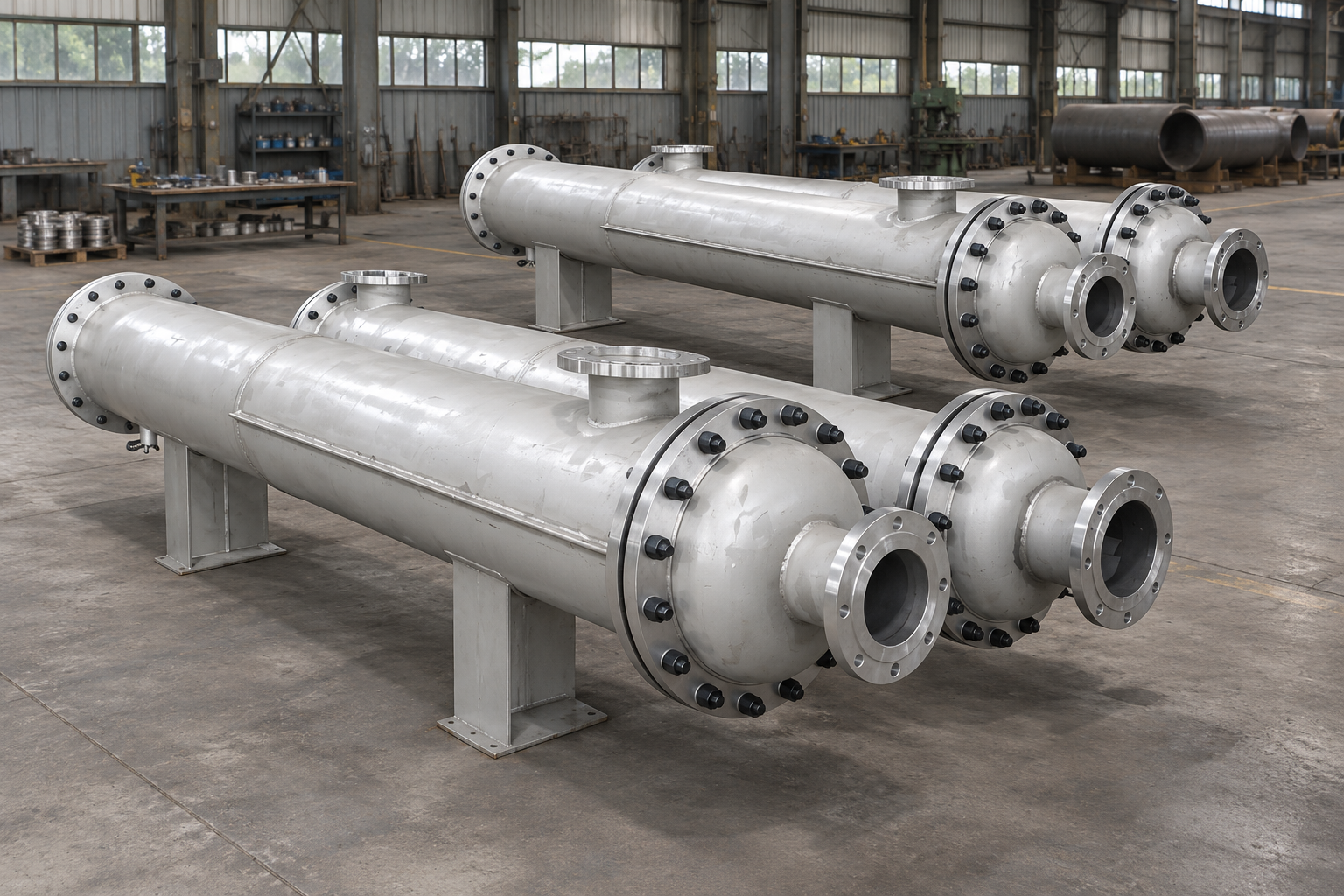
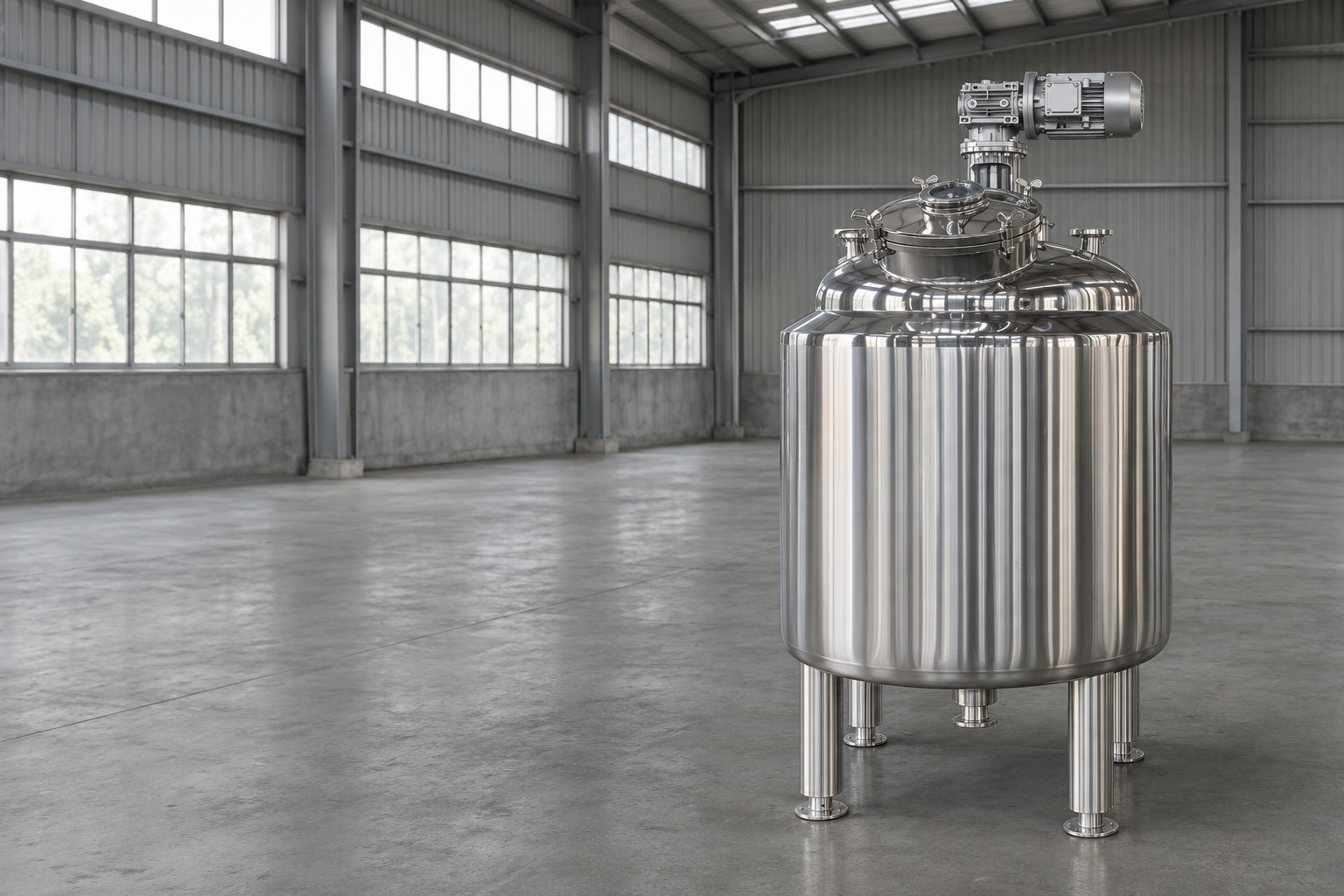
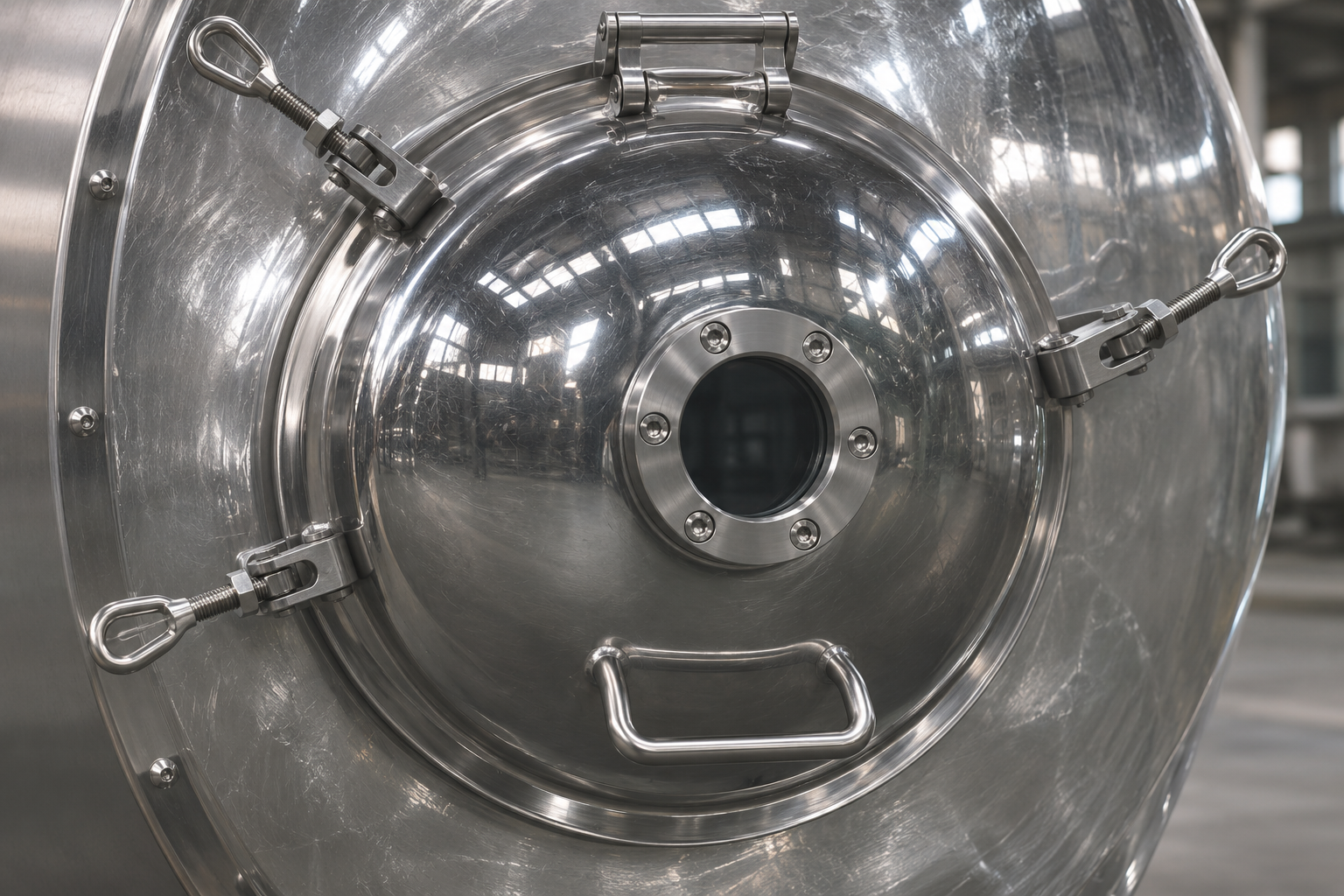
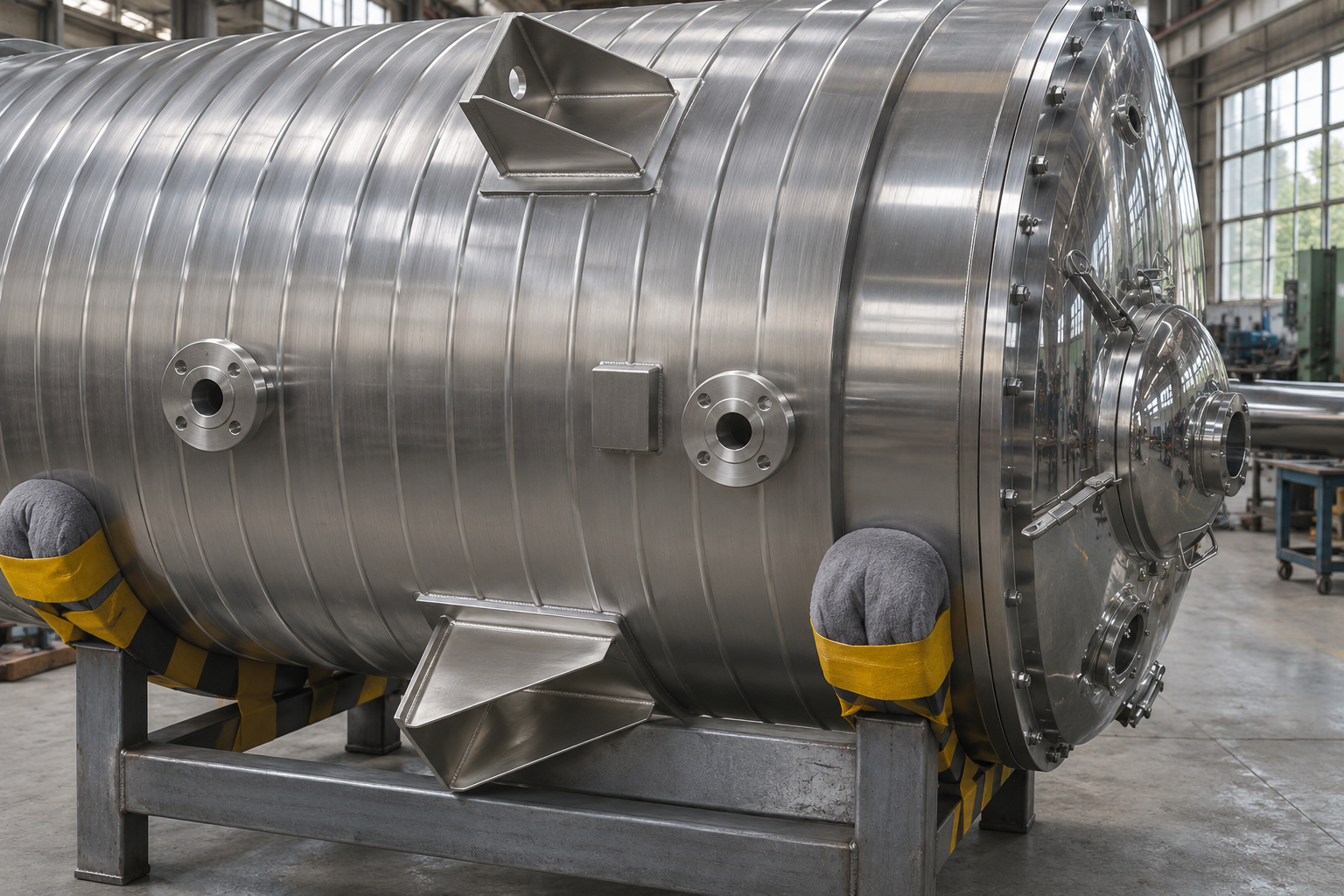
Website tersebut 2000L storage tank page gives visible equipment context. It does not establish the chemicals handled, suitability for a particular waste, drain function or cleaning method. Request equipment-specific drawings and compatibility information for the real application rather than inferring these from photographs.
Gather process information that describes the actual residue
Ask production staff what was in the tank and how the contents changed during use. Include relevant raw materials and process additions, with available product information. Ask the cleaning contractor which substances will be introduced and whether different stages will be collected separately. Resolve differences between the quoted method and the agreed site method before relying on the waste estimate.
GOV.UK’s waste classification responsibilities guidance explains the need to identify and classify business waste and describe its origin and characteristics. The planning lesson is to collect evidence for the waste itself. Product information is part of that evidence, but the final mixture can differ from each original product.
Keep the source documents with their revision dates. A safety data sheet for the wrong cleaner concentration or an old product formulation can mislead an otherwise careful review. Record which information applies to which stage. If the final rinse combines with sludge from a previous operation, make that combination explicit rather than describing the load only as rinse water.
Ask what the assessment still needs
A specialist may be able to use reliable process knowledge for some questions and require further evidence for others. Do not decide in advance that every stream needs the same laboratory package. Equally, do not assume that a familiar product name removes the need to investigate a materially different residue.
Agree the purpose of any proposed sampling and testing before collection. Identify the waste stream represented, information sought and responsible reviewer. Safe sampling arrangements, representativeness, analytical methods and interpretation need competent planning. This article does not prescribe a sample location, quantity, test panel or acceptance limit for tank residues.
When a contractor requests a test, ask whether it supports classification, receiving-site acceptance or another decision. Those purposes may require different evidence. Keeping them separate prevents an acceptance document from being used to claim that a different legal or technical question has been answered.
Use an evidence checklist that follows the waste
The following original table is a planning aid, based on the official classification framework and practical equipment handover questions. It does not assign a waste code or hazard category. Adapt it to the actual cleaning process and the specialist’s assessment.
| Information area | Bukti yang harus dikumpulkan | Gap to resolve before assessment | Useful handover record |
|---|---|---|---|
| Waste origin | Tank identifier, contents history and producing process | Previous contents or process additions are uncertain | Dated process description linked to the job |
| Cleaning inputs | Agreed method and current product information | Quoted chemical differs from the proposed site chemical | Approved method and applicable safety sheets |
| Stream boundaries | Collection arrangement for product, sludge and rinses | Different streams may be combined without review | Stream list and documented handling plan |
| Composition assessment | Reliable process knowledge and any agreed analysis | Available evidence does not represent the actual mixture | Specialist assessment with evidence references |
| Classification decision | Applicable code and hazard assessment rationale | Decision was copied from another tank or earlier job | Reviewed decision tied to this waste stream |
| Receiving arrangement | Receiver information and relevant authorization checks | Proposed destination has not confirmed the described waste | Acceptance correspondence linked to the same description |
| Collection paperwork | Consistent description, identifiers and quantities as available | Documents describe a different stream or load | Reconciled transfer or consignment package as applicable |
Use clear responsibility for each row. Production may supply contents information, a cleaning contractor may confirm the method, and a waste specialist may assess classification. Giving everyone the same blank form does not establish who is responsible for resolving an unknown constituent or an unexplained change.
Keep classification separate from acceptance and equipment suitability
A receiving facility’s willingness to quote is not a classification assessment. Its acceptance requirements also do not establish that the tank, collection container or transport arrangement is suitable. Review those questions separately with the relevant people, using a consistent description of the actual waste.
The official Waste classification technical guidance page links to WM3 and explains its technical role. It identifies the need for competence in hazardous waste and relevant chemistry. A planner should therefore provide organized evidence and identify missing information rather than invent a technical classification from a short internet checklist.
Do not select a code solely because its wording contains “tank cleaning.” The process that produced the material and applicable classification rules matter. The same visible equipment can handle different substances over its lifetime. This guide deliberately does not assign a code, because the required site-specific evidence is not available here.
Manage uncertainty without hiding it in a generic description
Phrases such as “dirty water” or “general sludge” may be understandable in conversation while failing to communicate important composition information. Replace them with a traceable description of origin, known substances and remaining uncertainty. The specialist can then determine what additional evidence is needed.
If unexpected layers, solids or contamination are found, use the site’s agreed escalation process and review the assessment before continuing with an unchanged disposal assumption. A planning document should name who makes that review and how the cleaning and collection teams are informed. Do not instruct workers to mix streams to make the description easier.
GOV.UK’s hazardous waste overview sets out England’s responsibilities and points to separate arrangements elsewhere in the UK. That scope matters for an international equipment buyer. A factory in another country should use the relevant local framework rather than treating an English form or terminology as automatic compliance.
Connect the assessment to the collection documents
Once the classification is established through the appropriate review, carry the same waste identity into the receiving discussion and paperwork. Check tank or job references, stream descriptions and any supporting assessment references. Correct inconsistent descriptions before collection through the authorized process; do not quietly change a completed historical record.
Itu waste duty of care code of practice provides the wider England and Wales context for responsible handling and transfer. Classification is one part of that process. The proposed receiving organization and arrangements still need the applicable checks rather than being assumed acceptable because a carrier can attend the site.
Gunakan dokumen terkait cleaning waste transfer record reconciliation guide when checking how actual transfer records connect. This article addresses the evidence assembled before classification. Keep those stages connected without treating a completed collection note as retrospective proof that the original assessment was adequate.
Watch the Environment Agency’s waste carrier explanation
The Environment Agency video below explains the waste carrier role within duty of care. It supports the handover discussion once the waste has been described and assessed. It does not classify a particular cleaning residue or confirm that a particular carrier, facility or route is authorized for the proposed load.
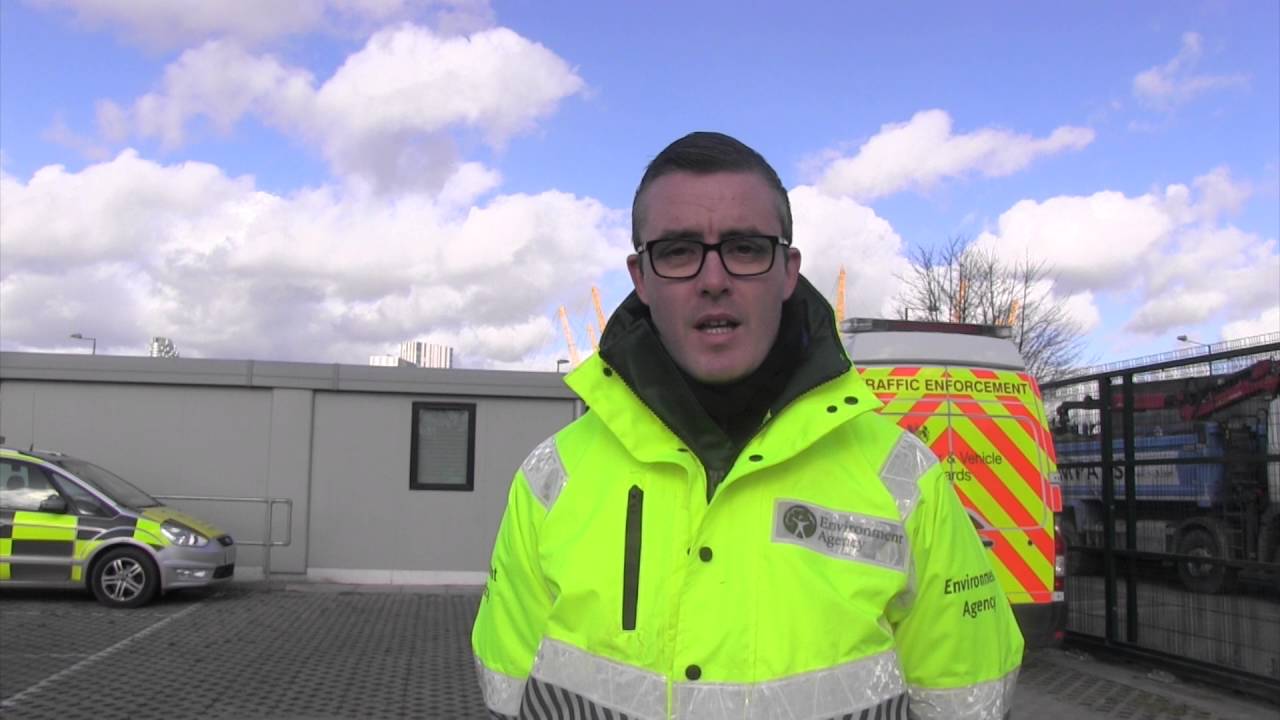
Badan Lingkungan: Apa itu Pengangkut Limbah?.
Prepare cleaning and supplier inquiries together
Equipment information can improve waste planning when the questions are specific. Ask the equipment supplier for available arrangement information and documented materials relevant to the cleaning method. Ask the cleaning specialist how the proposed method affects the streams generated. Ask the waste specialist what evidence is required to assess those streams. Each response answers a different part of the planning problem.
Yang lebih luas food-grade storage tank cleaning validation guide addresses cleaning performance in its own context. A satisfactory cleaning result does not decide the classification of removed material. Likewise, a waste classification does not demonstrate product-contact cleanliness or validate the tank for its next production use.
For equipment selection, use the tinjauan kompatibilitas kimia gasket yang ada alongside the product information and provide the intended contents and cleaning conditions. Request confirmation for the actual proposed duty rather than assuming all stainless equipment is compatible with every chemical. No material grade, allowable condition or waste-handling capability is established by this article.
Close planning with a stream-by-stream decision
Before the job proceeds, review whether each planned stream has a clear origin, evidence owner, assessment route and proposed receiving arrangement. Record open questions and the point at which they must be resolved. An unsupported non-hazardous assumption is not a completed plan simply because the collection date has been reserved.
For future work, retain the actual cleaning method, assessment references and any changes encountered. These records can improve the next review, but they should be checked for continuing relevance. A change in product, cleaner, process or collection arrangement can make the previous evidence incomplete. The next step is a competent review of the real waste package, followed by the applicable receiving and transfer checks.
FAQ
Can the cleaner’s safety data sheet classify the final waste?
Informasi ini dapat memberikan informasi yang berguna mengenai bahan masukan pembersihan, tetapi tidak selalu menggambarkan campuran yang dihasilkan. Penilaian harus mempertimbangkan residu aktual, riwayat proses, dan bukti relevan lainnya melalui kerangka klasifikasi yang berlaku.
Can last year’s waste code be used for the next cleaning job?
Do not copy it without checking relevance. Compare contents, cleaning inputs, process conditions and stream handling with the earlier assessment. A competent reviewer should determine whether the previous evidence supports the new waste.
Does a waste carrier booking confirm the disposal route?
No. A booking does not establish classification or receiving-site suitability and authorization. Keep those checks tied to the described waste and retain the applicable acceptance and transfer evidence.