Storage tank cleaning wastewater discharge authorization review starts before cleaning produces liquid that nobody has agreed to receive. Identify the expected wastewater, trace the proposed destination and ask the responsible authority or receiving facility what information and authorization are needed. A nearby drain, an existing production discharge or a contractor’s general disposal service does not establish that the actual cleaning wastewater can follow that route.
This guide is a planning framework for industrial tank owners. United States EPA information explains the difference between direct industrial discharges and wastewater sent to municipal treatment systems. Local requirements, the facility’s process and the actual wastewater determine the decision; no universal discharge limit or permission is implied.
Define the cleaning event and the liquid streams
Begin with the tank identity, previous contents and proposed cleaning method. Record what could enter the wastewater, including residual product, cleaning agents and rinse water. Use actual process information and cleaning chemical documentation. Where the composition is unknown, mark it as unknown and ask the environmental reviewer what investigation is necessary.
Separate streams that could have different characteristics. Initial residue removal, concentrated cleaning liquid and later rinses may not be equivalent. Combining them at the planning stage can conceal the reason a receiving facility needs additional information. Do not assume that a larger quantity of rinse water makes a stream suitable for discharge.
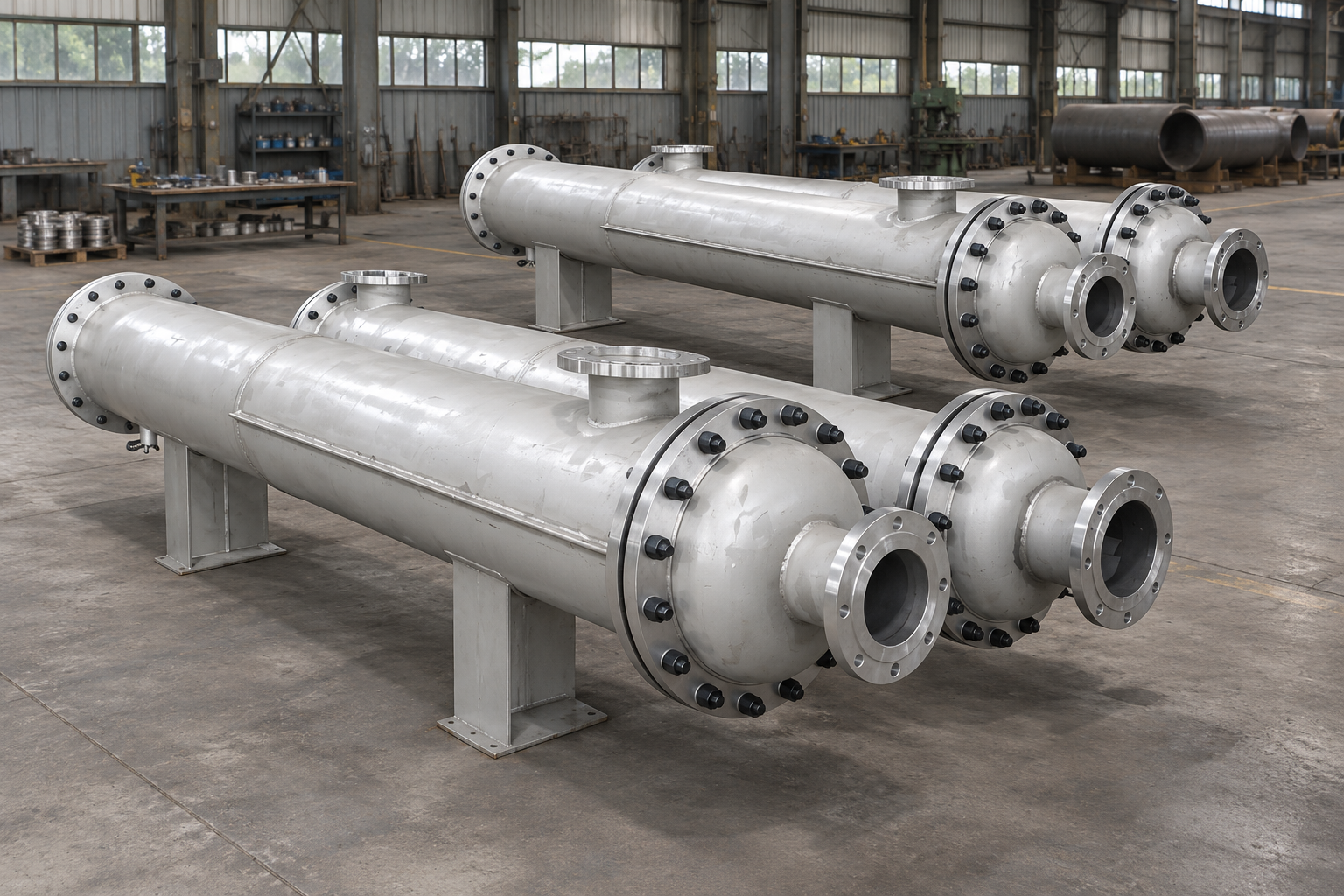
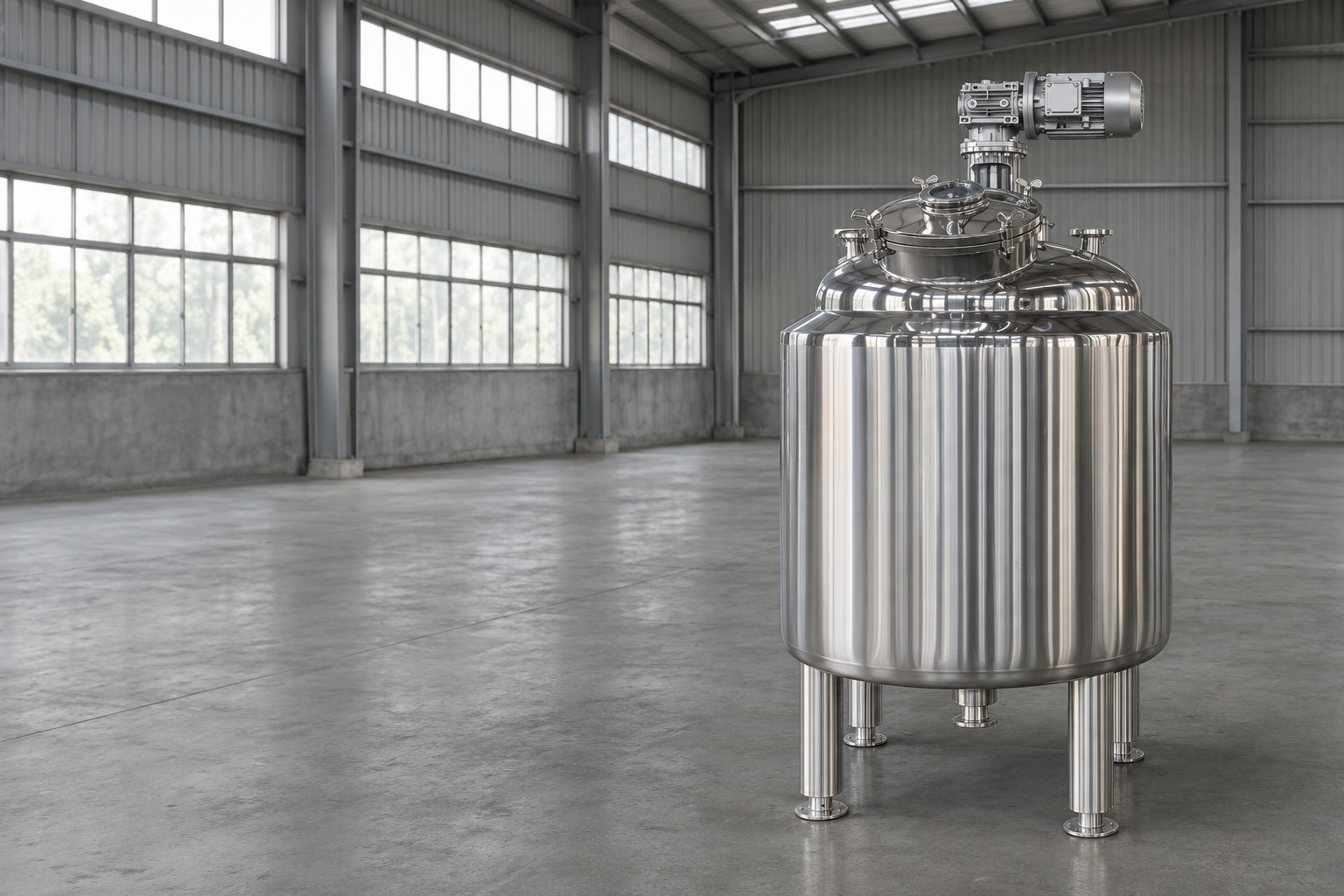
A 2000L storage tank product page establishes equipment context, not an environmental treatment capability. Confirm the actual offered configuration, connections and intended service with the supplier. The illustrated vessel is not evidence that a wastewater stream is compatible with it or that a particular discharge arrangement is supplied.
Trace the proposed route to its real destination
Identify where the liquid would go after leaving the tank. A connection may lead to a collection container, site treatment unit, sanitary sewer, stormwater network or another destination. Use site drainage information and responsible personnel to establish the route. The appearance of a drain cover cannot answer the question.
Map intermediate collection and treatment stages as well as the final receiver. Record ownership and the person authorized to accept the stream at each relevant interface. If a tanker is proposed, identify the receiving facility rather than stopping at the haulier’s name. A transport arrangement and permission for the receiver to accept the material are separate matters.
Keep the route understandable in the work pack. State the approved collection point and where the contractor must stop if the route cannot be confirmed. This information should be available to the people supervising cleaning, without requiring them to interpret a permit during the job.
Distinguish direct discharge from municipal sewer acceptance
إن EPA industrial wastewater overview identifies permitting resources for industrial discharges. Use it to locate the relevant program and contact, rather than treating a general webpage as a permit. An actual authorization must correspond to the facility, discharge and activity under review.
For non-domestic wastewater entering municipal sewers, the EPA National Pretreatment Program explains the role of the pretreatment framework. Contact the applicable control authority or sewer provider to establish the relevant requirements. A sewer connection for ordinary site wastewater does not answer whether a new tank cleaning event is covered.
These national summaries do not supply an acceptance decision for a particular batch. The practical task is to connect the actual stream and route to the applicable current requirements, then keep the resulting decision available to the cleaning coordinator.
Build a route review matrix
Use the following matrix to assign the questions before a cleaning quotation is accepted. It is a qualitative planning tool, not a list of national numerical limits. Add the site-specific documents, receiving contacts and acceptance conditions that apply to the event.
| Proposed route | Information to establish | Decision or evidence to obtain | Frequent planning mistake |
|---|---|---|---|
| Municipal sewer | Actual sewer destination and wastewater characteristics | Applicable acceptance and pretreatment requirements | Assuming every site drain is a sanitary sewer |
| Direct discharge route | Relevant discharge point and activity | Applicable permit coverage and conditions | Treating an unrelated site permit as blanket permission |
| Onsite collection | Container suitability, capacity basis and subsequent destination | Collection plan and confirmed downstream route | Solving storage while leaving disposal unresolved |
| Offsite treatment | Waste description, transport and named receiver | Receiver acceptance and applicable transport documents | Accepting only a haulier’s verbal assurance |
| Onsite treatment followed by discharge | Treatment capability and resulting stream | Evidence that both treatment and discharge arrangements apply | Assuming treatment automatically authorizes discharge |
| Undetermined route | Missing drainage or receiving information | Hold point until the route is resolved | Allowing cleaning to start because water supply is available |
Record who must close each gap and by when. If sampling or an authority review is needed, include the lead time in shutdown planning instead of discovering it after the cleaning team arrives.
Characterize the stream without inventing a sampling plan
The responsible reviewer may need information about composition, variability, expected quantity and discharge pattern. Provide a reasoned estimate with its basis, and distinguish an estimate from a measurement. An event that releases a short batch can differ from the facility’s usual continuous stream, so timing may matter as much as total quantity.
Ask which analyses, sample handling and reporting are appropriate. Do not choose a laboratory panel simply because another site used it. A sampling plan should address the actual materials and receiving requirements. Keep uncertainty visible when records do not establish what the tank previously contained.
ذو الصلة wastewater storage and pretreatment guide provides equipment planning context. It does not replace an environmental assessment of this cleaning event. Similarly, waste classification and wastewater discharge review answer different questions; completing one should not silently close the other.
Check the scope of existing permissions
Read the relevant current documents with the responsible environmental contact. Compare the authorized location, activity, stream and conditions with the proposed cleaning event. Record the document reference and the basis for the coverage decision. If the proposed stream differs from routine production wastewater, ask whether notification or another review is needed.
Local requirements can be detailed. For example, the Texas Commission on Environmental Quality pretreatment information is a state authority resource, not a rule that can be copied to every US site. Consult the authority serving the actual facility and avoid transferring another jurisdiction’s thresholds or forms into the work pack.
Keep written clarification where there is uncertainty. Describe the facts given to the receiver, because an answer based on one cleaning chemical or waste description may not cover a changed proposal. An email stating generally acceptable is less useful when the underlying stream is not identified.
Coordinate collection with cleaning and maintenance
Plan where the first liquid will be collected and how unapproved routes will remain unavailable under site arrangements. Assign responsibility for checking the collection setup before work begins. Do not provide improvised drain blocking or chemical treatment instructions; use the site’s approved arrangements and competent supervision.
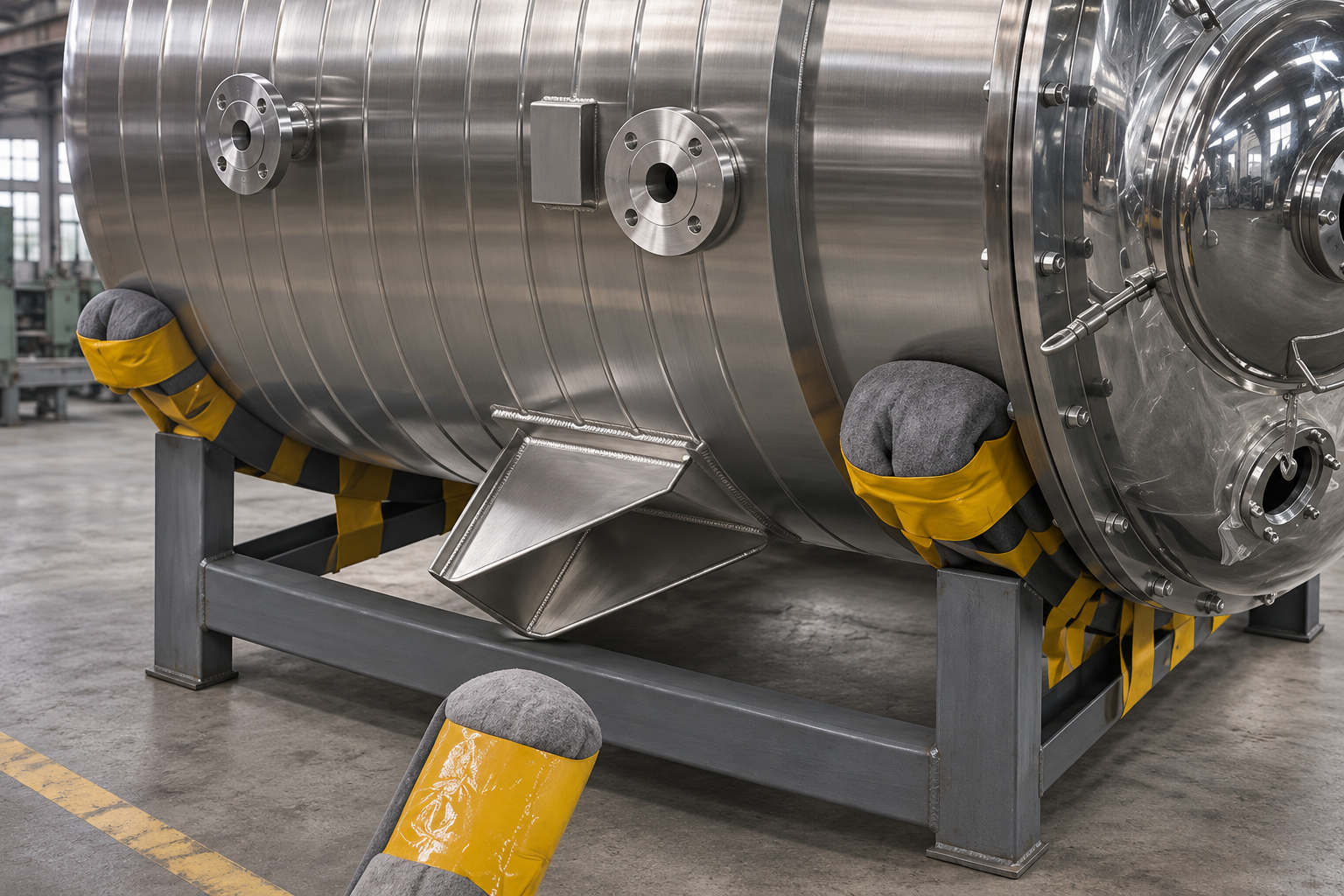
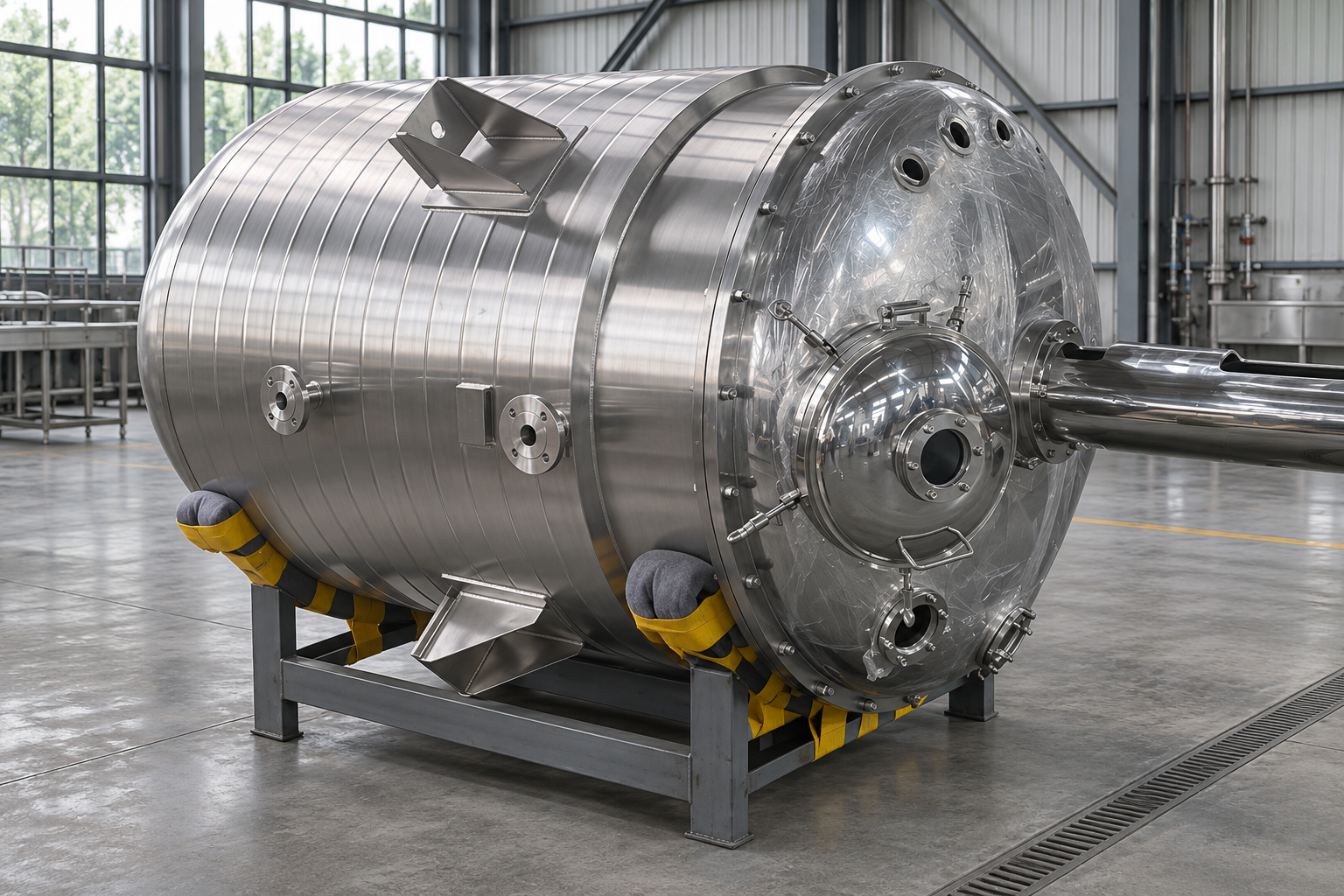
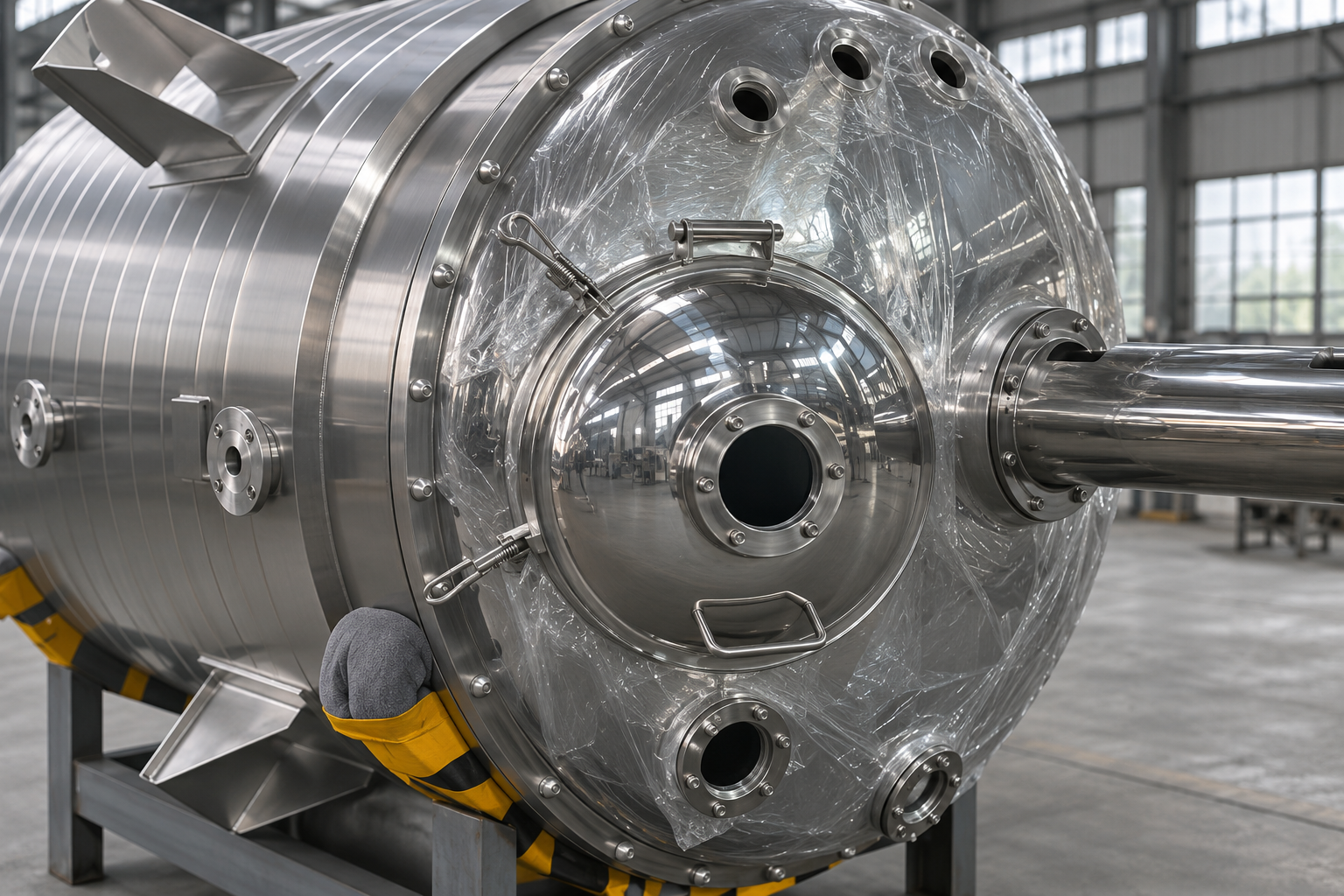
The product-based detail images illustrate external equipment features only. Actual connections, temporary hoses and collection equipment must be identified on the installed system. Do not infer the function of an opening from its position in a photograph or connect temporary equipment on that basis.
Consider access and maintenance interfaces. Cleaning may coincide with isolation, dismantling or entry-related work that has its own controls. The wastewater decision does not authorize those activities. Keep the work boundaries coordinated so a change to the cleaning sequence does not bypass either the environmental route or the equipment safety plan.
Separate route acceptance from transfer records
Before cleaning, confirm what the receiver will accept and how the stream reaches it. After collection and transfer, preserve the records showing what actually happened. Use the existing cleaning waste transfer record reconciliation guide for that later reconciliation task. The pre-job decision and the completed transfer evidence should refer to the same event and stream identity.
If actual conditions differ from the accepted description, escalate the change rather than forcing the material into the original paperwork. Unexpected residue, an unplanned chemical substitution or a changed receiving facility may require a new decision. Record the disposition so later reviewers can see why the route changed.
For further learning, the municipal educational video below introduces industrial pretreatment. It explains the reason industrial discharges need attention but does not grant acceptance for any site’s tank cleaning wastewater.
MyPortlandWater: PWD Industrial PreTreatment.
Prepare the inquiry and close the job
A useful receiving inquiry identifies the site, tank, previous contents, cleaning chemicals, expected streams, estimated quantity, proposed timing and route. State which details are confirmed and which remain uncertain. Ask the receiving contact to identify missing information and the documentation needed for their decision. Avoid promising a composition or discharge pattern that the cleaning provider has not agreed to deliver.
For new tank purchases, explain the cleaning and collection needs early. Ask about available drainage information and the actual configuration, while leaving wastewater treatment and discharge acceptance as separate project requirements. A supplier can respond more effectively when the process, cleaning method and collection expectations are described clearly.
Retain the accepted plan, any changes, relevant results and completed collection or transfer records. Link them to the equipment and cleaning event. A finished review should let someone establish which route was accepted, why it applied and whether the actual work remained within that decision.
Keep this environmental route review separate from food-grade tank cleaning validation, which concerns the evidence for cleaning effectiveness rather than permission to discharge the resulting liquid.
الأسئلة الشائعة
هل يمكن لمياه الصرف الصحي لتنظيف الخزان أن تذهب إلى أقرب مصرف؟
فقط بعد تحديد المسار والمتطلبات المطبقة للتيار الفعلي. حدد الوجهة واحصل على القبول أو التفويض المناسب قبل توجيه مياه الصرف الصحي إليها.
هل تغطي تصريح تصريف الموقع الحالي كل حدث تنظيف؟
لا تفترض ذلك. قارن الحدث المقترح بشروط التصريح أو القبول الحالية، واطلب من الجهة المسؤولة أو مراجع الموقع معالجة أي اختلافات.
هل يكفي جمع العينات خارج الموقع لإغلاق مراجعة مياه الصرف الصحي؟
لا تغطي عملية التجميع سوى مرحلة واحدة. تأكد من الجهة المستلمة في المرحلة التالية، ومتطلبات القبول، وترتيبات النقل المعمول بها، ثم احتفظ بالسجلات المكتملة مرتبطة بحدث التنظيف.