When a heat exchanger nameplate is missing or unreadable, collect the surviving equipment identity evidence and refer it to the original manufacturer, qualified inspector and applicable authority. Do not infer pressure ratings from appearance, copy data from a similar exchanger, or fabricate a replacement plate. The immediate objective is a traceable identification file and an authorized decision about the equipment. This guide explains how to organize that file. It does not establish safe operating limits, certify Code construction, authorize continued operation, or provide a nameplate replacement procedure.
Distinguish identification from permission to operate
An asset register can help locate equipment history, but an internal tag is not automatically the original manufacturer’s identity. Likewise, a past inspection report may describe condition without proving that its ratings and serial information belong to the item now installed. Keep these questions separate: which equipment is this, what original construction records apply, what is its current condition, and who may decide its operating status?
For systems within its scope, HSE’s introduction to pressure equipment emphasizes known operating conditions, safe limits and appropriate examination. This is UK guidance, not a universal regulatory decision for every installation. Use the applicable jurisdiction and competent pressure-equipment professionals to determine what must happen at the actual site. A missing plate should not be treated as a purely cosmetic problem.
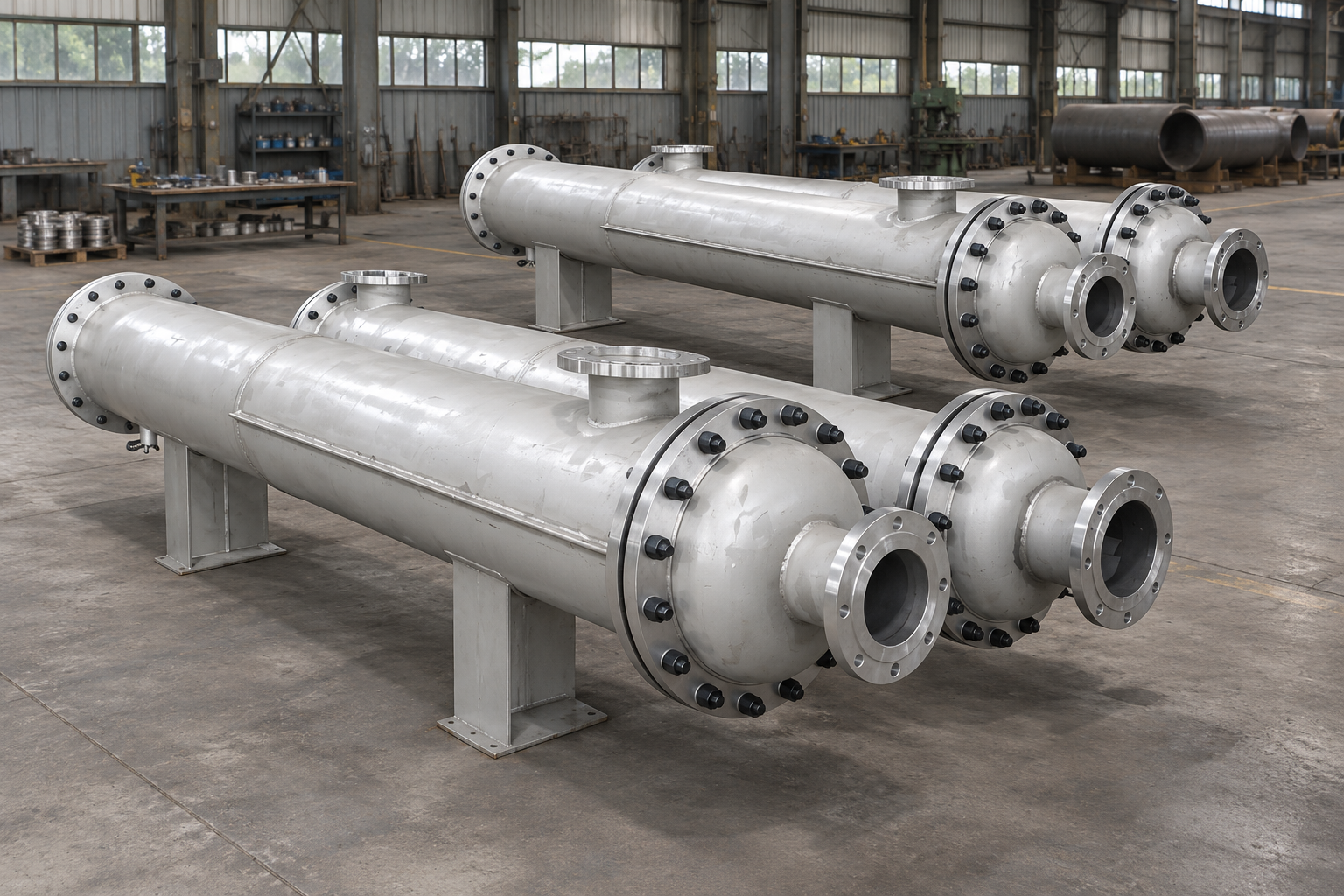
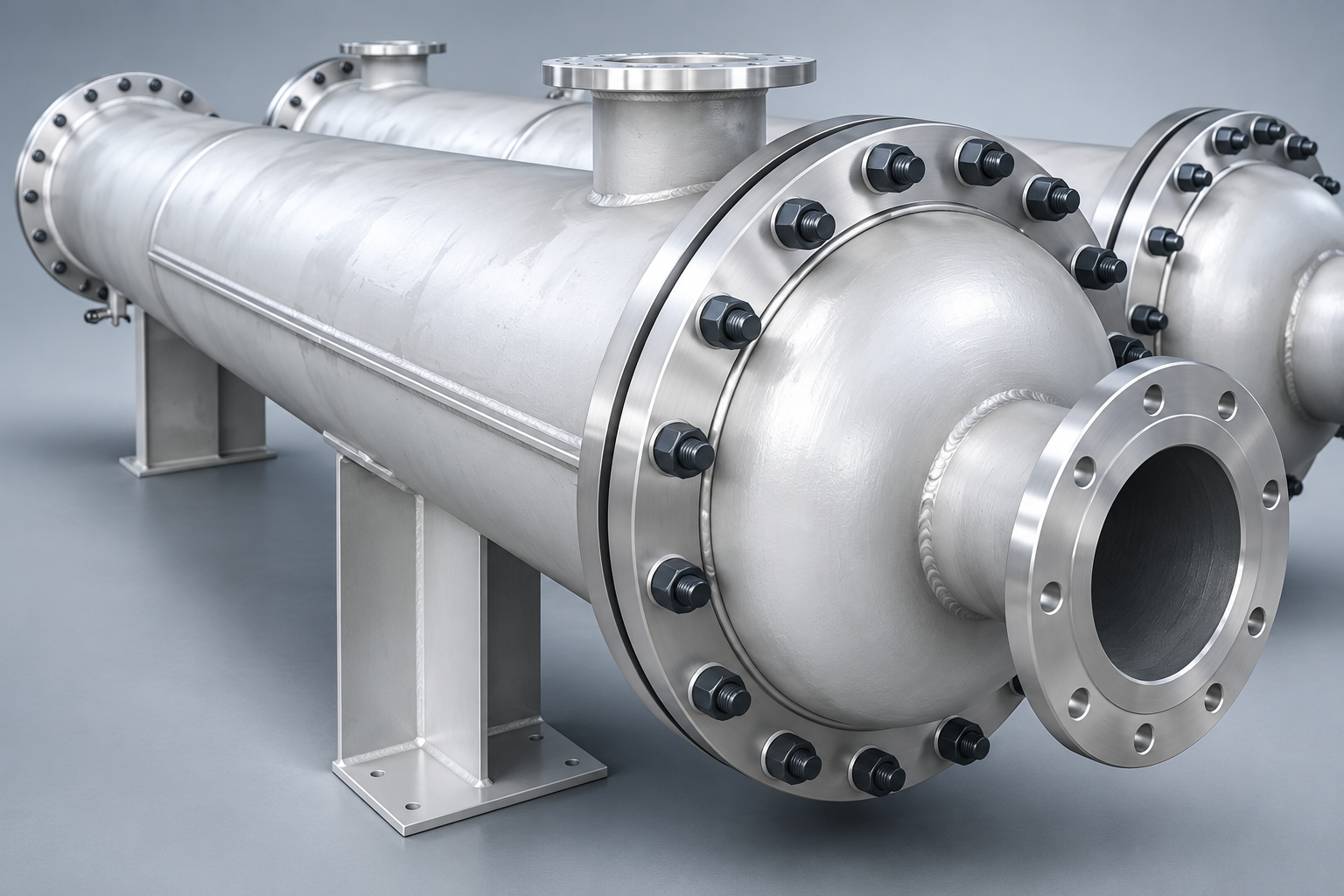
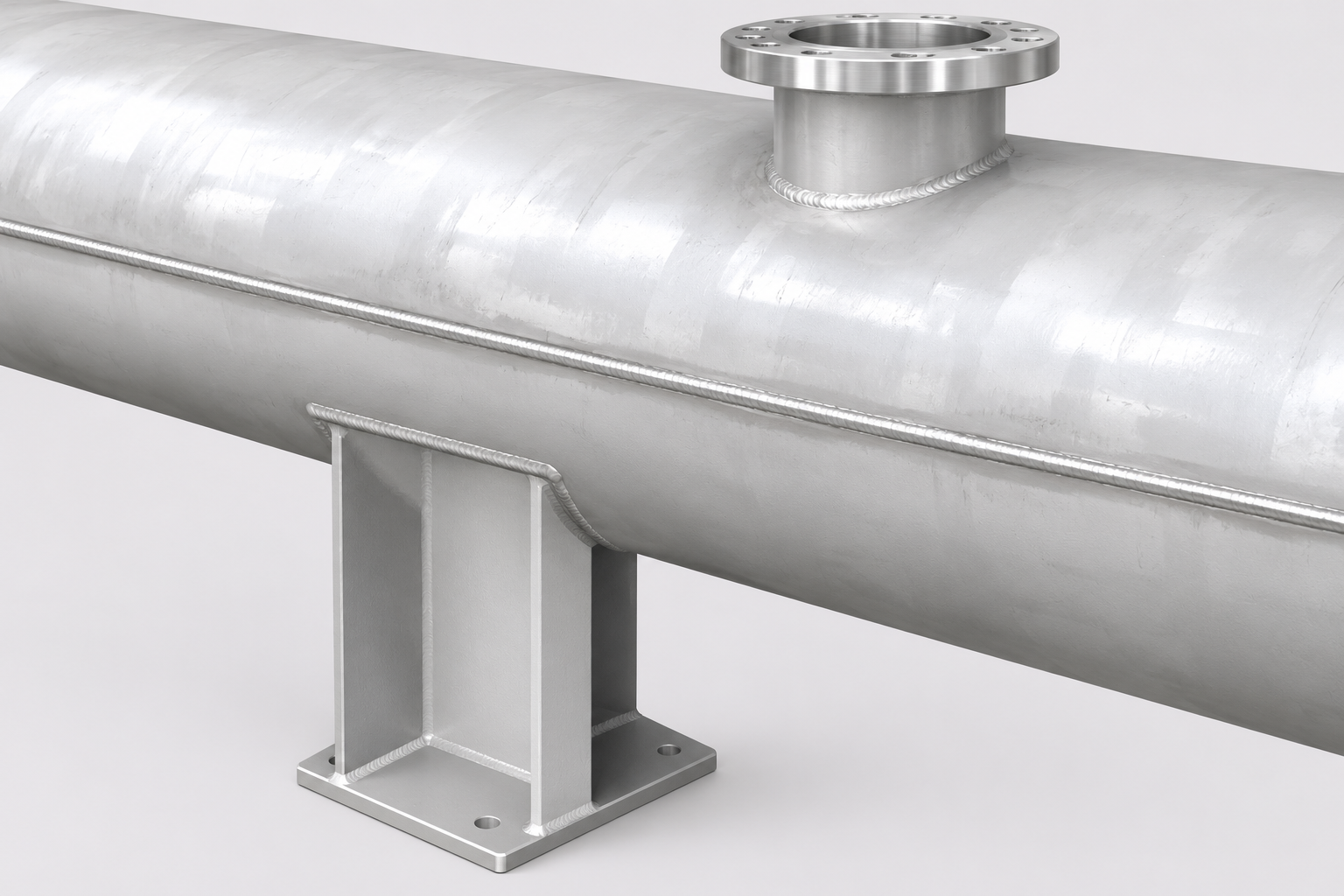
إن YIYI fixed tube sheet heat exchanger page establishes the product family relevant to this article. Its photograph does not demonstrate Code marking, pressure ratings or certification for an unidentified field item. Order-specific records, physical identity and the responsible authority’s requirements are essential to the decision.
Record the exact problem without destroying evidence
Describe whether the plate is absent, detached, obscured, partly legible or inconsistent with the register. Note who observed the problem, when and at which asset location. Retain existing photographs and the original wording of earlier reports. If information is uncertain, mark it uncertain rather than cleaning up the record to match an expected serial number.
Any physical access, cleaning, insulation removal or close inspection must follow an authorized site plan. This article does not instruct personnel to approach hot equipment, open a system, remove guards or disturb a nameplate attachment. Use photographs obtainable safely, and leave intrusive investigation to competent personnel under appropriate controls. Avoid aggressive rubbing, grinding or restamping that could damage the item or erase evidence.
A detached plate should remain linked to its recovery location and circumstances. Finding it near an exchanger is useful evidence, but the reviewer must establish that it belongs to that exact item. Do not reattach it simply because the dimensions fit the bracket. Preserve the distinction between an observed association and a confirmed identity.
Assemble an identity evidence register
Use a register that links each claim to a source. The following qualitative table is an organization aid, not a hierarchy that automatically proves traceability. The responsible inspector or other authorized reviewer determines whether the combined evidence is sufficient.
| عنصر الأدلة | What to preserve | Question for the reviewer |
|---|---|---|
| Historic plate photograph | Original file, date, location and readable details | Can the image be linked to this exact exchanger? |
| Manufacturer record | Serial reference, order and original equipment documents | Does the manufacturer confirm the physical item’s identity? |
| Drawing | Drawing number, revision and equipment reference | Does it describe the item, including later approved changes? |
| Inspection history | Reports and their original identification fields | Are reports consistently linked to the same asset? |
| Installation record | Location, relocation history and commissioning file | Could equipment have been exchanged or moved? |
| Surviving marks | Safely obtained photographs and location descriptions | Are marks original identifiers or later internal tags? |
| Detached plate | Recovery circumstances and custody record | Is its association established rather than assumed? |
| Decision correspondence | Reviewer, authority, scope and conditions | What action is authorized and what remains unresolved? |
Keep conflicting evidence visible in the register. A later report may contain a transcription error, while an old photograph may belong to a neighboring unit. Neither should be chosen merely because it permits faster completion. Record the conflict and ask the appropriate party to reconcile it using the original evidence.
Search the records using more than one identifier
Start with purchase orders, equipment schedules, handover documents and the original manufacturer’s contact information. Search using order reference, purchaser name, installation site, equipment description and known serial fragments. A supplier may have changed its trading name; preserve the historic name as well as the current contact so the document search remains reproducible.
Check whether the exchanger was relocated, sold, refurbished or incorporated into a larger skid. A site tag may have changed during those events while the original manufacturing identity remained the same. Conversely, a replacement exchanger may have inherited the old site tag. The review should establish that continuity rather than assume it from the current register.
Keep the tank nameplate and drawing reconciliation guide as a related record-control reference. It addresses consistency among existing identifiers. A missing original marking creates an additional question about recovering identity and obtaining authorization, so do not close this case merely because an internal drawing and register agree.
Use historical interpretations within their limits
إن National Board’s archived NBIC interpretations include a historical interpretation discussing whether records and physical dimensions can conclusively identify an item when replacing a missing nameplate. It concerns a specified older edition and particular circumstances. It is useful context for the identity question, not permission to apply an old rule or reproduce a plate without the current required review.
Ask the inspector and applicable authority which current code edition, local rules, forms and responsible organizations apply. Keep their answer with the file. A historical presentation, committee attachment or online discussion should not be presented as the current controlling procedure. If a replacement marking is permitted, the required authorization and execution arrangements must come from the applicable process.
This distinction also protects the manufacturer. Requesting a document search or identity confirmation does not mean asking a supplier to certify an unidentified used vessel from photographs. State what evidence is known and what remains missing so the response can be limited to facts the organization can support.
Separate original ratings, condition and test records
A successful pressure test does not by itself reconstruct missing design and manufacturing records. A condition examination answers its defined inspection questions; it does not automatically establish original material traceability, construction code or every historical modification. Ask the qualified reviewer how each record contributes to the decision and what it cannot establish.
Keep shell-side and tube-side information distinct where the original equipment documentation treats them separately. Do not copy a value from one circuit into another because the exchanger has a single site tag. Preserve the original units and definitions, including the difference between a design value, a test value and an operating observation. Leave unclear terminology for clarification rather than converting it into an assumed rating.
إن hydrotest report and instrument reconciliation guide helps organize supporting test evidence. It does not turn a test certificate into a replacement nameplate authorization. Reference the test report as one document within the identity file, with its date, scope and equipment identifiers intact.
Control the decision while evidence is incomplete
Assign a responsible owner for the identity review and a clear route for technical questions. Record the equipment’s operational status as determined through the site’s authorized safety process. This article cannot decide whether a particular exchanger may remain in service; an administrative label such as under review must not be mistaken for permission to operate it.
Purchasing, production and maintenance should receive the same scope statement. If a planned job depends on an unverified rating, record that dependency before procuring replacement components or arranging tests. Do not let a new spare part certificate imply that the underlying exchanger identity has been resolved. Each decision needs evidence appropriate to its own scope.
Use controlled copies of the review register and preserve original records. When new information changes a previous conclusion, add the explanation, reviewer and date rather than overwriting history without a trace. This makes it possible to explain why an earlier assumption was rejected and prevents the same incorrect data from returning in a later work pack.
Prepare a concise manufacturer and inspector request
Provide the known purchaser and order references, site asset tag, current location, safe photographs, surviving marks, historic plate images, relevant drawings and installation history. State exactly what is missing or conflicting. Ask which records can be retrieved and what further information the recipient needs to establish the connection to the original item.
For a YIYI-supplied exchanger, the original order reference is more useful than a general product-page screenshot. Do not claim that two similar-looking shells share a design rating or manufacturing history. If the item came through an intermediary, retain that commercial chain and the equipment handover references so the correct original records can be located.
The eventual closure file should record the identity conclusion, its supporting evidence, applicable authority correspondence, any authorized marking action and unresolved limitations. If identity cannot be established, retain that outcome and follow the authority’s direction. An honest unresolved file is more useful than an attractive replacement plate based on guesses.
Keep the recovered identity usable after closeout
Once the authorized process is complete, update the asset register, active drawings and maintenance references consistently while preserving prior identifiers as searchable history. Identify who holds the original records and how controlled copies are accessed. Include any authorized replacement plate or marking documentation in the same equipment file rather than storing it only with a contractor invoice.
Use the next قائمة فحص تشغيل مبادل الحرارة or planned handover review to verify that required equipment records are accessible to the relevant people. This does not mean repeating commissioning or restarting equipment without approval. It means preventing the identity evidence from disappearing again when personnel, locations or maintenance contractors change.
Further learning: hazardous energy during maintenance
The neutral education video below explains hazardous energy control in maintenance. It supports the boundary that physical investigation requires an authorized safe work process. It does not replace pressure-system-specific controls, establish equipment identity, or authorize operation or nameplate replacement.

مراكز السلامة والصحة الزراعية في مصر: التحكم في الطاقة الخطرة لقفل/وسم.
الأسئلة الشائعة
Can a similar exchanger’s nameplate supply the missing data?
No. Similar appearance, dimensions or service does not establish the identity, original ratings or construction record of this item. Use surviving evidence and original records, with the manufacturer, inspector and applicable authority determining the appropriate next steps.
Does passing a pressure test resolve a missing nameplate?
A test record has a defined scope and does not automatically reconstruct original identity or all manufacturing evidence. Keep it as supporting documentation and ask the qualified reviewer what additional evidence and authorization are required.
Who should approve a replacement nameplate?
The applicable jurisdiction, code process and responsible qualified parties determine authorization and execution. Contact them with the identity evidence before any replacement marking. Do not fabricate or attach a plate using an assumed rating or an old online example.